Career Burnout: The overwhelming impact of stress and understanding the cost to Human Capital

WESTBOROUGH, MA October 17, 2024 When we talk about career burn-out, we are looking at the impact of chronic and sometimes overwhelming stress on work efficiency and job satisfaction. As a clinical psychologist, I espouse the risk of stress and its associated malignancy to everyone I meet. Stress adds costs to workforce management because as workers become overwhelmed they start to look for better jobs. Surprisingly, it is often not the compensation that makes workers want to switch jobs – but the work ecology, those subtle factors most of us seek in the relationship between us and the company. Replacing intelligent and career oriented nurses and doctors is very expensive and disruptive to everyone. It means that supervisors are always interviewing and floor nurses are always orienting someone to the idiosyncrasies of the role.

It has been suggested that employees who are under chronic stress are at greater risk for making medical errors and other mistakes. Shortages in staff trickle down to patient care too. Hardly a day goes by when I do not hear someone say “I had to wait 30 minutes for someone to come and help me get back into bed.” When it comes to healthcare, people are not concerned with staff shortages when a loved one is hospitalized. Customer satisfaction is key to good medicine and community policing alike. And like police officers, a nurse or doctor who is on the last hours of a 12-hour shift is more likely to be ill-tempered and out of sorts. And like police officers, healthcare workers experience stress from long hours, shift work, and the nerver ending number of patients. Just ask any nurse or physician working in the emregency department and they will tell you it goes on and on round the clock. It is a mystery how some can stay in one job for any length of time given the current model of corporate medicine and the megagroup practice devouring one sole practitioner after another.

“The prolonged elevated cortisol levels that come with chronic stress and post-traumatic stress disorder (PTSD) can interfere with and damage the brain’s hippocampus” Wendy Suzuki author of Good Anxiety: Harnessing the Power of the Most Misunderstood Emotion.
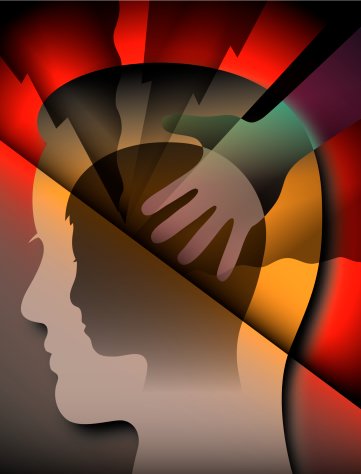
The brain and body experience stress like a jolt of toxic hormones that have the power to gradually reduce the ability to relax and quiet the body. I am tasked with assessing employees following high acuity/high lethality calls for service who find themselves in an unsustainable state of physical tension and mental fatigue. I teach mindfullness and biofeedback strategies for people suffering with the effects of chronic exposure to high stress situations and the physical impact of these. When working with a group of medical providers stress may become overwhelming after a particularly stressful shift, like many hospitals experienced during the coronavirus pandemic.

I presented a conference on Stress and Healthcare providers: Caring for the Caregivers shortly after our emergence from the nationwide pandemic response in 2022. On that night, I wanted to bring some examples of current stress the frontline healthcare workers experience – especially with the pandemic now in the rear view mirror. In doing so I realized that even preparing for this 90 minute presentation was as much as I could handle with so much on my plate. I needed to remind myself, I am not a superman, I am not a warrior. I must take time for myself and cleanse my psyche of the evil spirits floating around in my unconscious mind. I am aware of the impact of stress on my thinking and my intimate life.

In the short term, our bodies need the adrenaline and cortisol to quickly activate our brains and other organs to react when a threat exists such as when a patient unexpectedly goes south. Since we were being chased my sabertooth tigers we have relied upon the “threat response” to keep us alive. In any environment our bodies need this fight-flight system to modulate and guide our behavior including when to run, fight, or freeze. It comes down to using our sensory system to be on guard for us and when we are exposed to something threatening, like a crash in our patient’s blood pressure or looking through a darkened building trying to find a burglar.

“If you exercise regularly, get good-quality sleep and take steps to reduce and/or manage your stress, “you can reduce stress activity in the brain, systemic inflammation and your risk of developing cardiovascular disease,” reported Ahmed Tawakol, a Massachusetts General Hospital physician quoted in Washington Post article on Stress published in 2022.

Chronic stress is hard on the human body. Most people who seek out a blog like this one are well aware of the toxic impact of an abnormal stress response. “The prolonged elevated cortisol levels that come with chronic stress and post-traumatic stress disorder (PTSD) can interfere with and damage the brain’s hippocampus, which is critical for long-term memory function,” Wendy Suzuki said in a Washinton Post article (2022). The hippocampus and amygdala are a constant filter for danger and threats to safety. Abnormal activation or damage to these organs leave a person struggling with constant activation of the fight-flight response that we know is unsustainable. Or even worse, we are left somewhat helpless without this cueing mechanism. When it starts to rain upon us and we do nothing to initiate staying dry or move away from the lightning. Long-term increases in cortisol can also damage the brain’s prefrontal cortex and its interconnective pathways. These are essential for focused attention and concentration, as well as the functioning of the higher order executive system needed for problem solving and other cognitive tasks we often take for granted. That is until they are corrupted by stress hormones running amock.

What are the signs of burnout? First, there are many nurses who have become numb and disinterested. Some career nurses pull the plug on their roles leaving to become a home health nurse or perhaps off to the nursing home nearest to their homes. Many experience caregiver fatigue and waning empathy from hours of high stress patient care and management. During the relentless pandemic Many want to go back to the “old way” of taking care of patients by using the primary nurse model which divides high acuity patient among the senior nurses on a shift. The primary nurse is usually repsonsible for attending team meetings designed to update physicians and consultants as to how treatment goals are being met.

Secondly, burnout can leave people exhausted, unmotivated, and cynical – the consequences of which can be catastrophic in many professions. As well as impacting professional growth, research suggests that these extreme stress levels can impair social skills, overwhelm cognitive ability, and eventually lead to changes in brain function and damaging physical disease and inflammation in vital organs leading to premature aging.

The stress of this is often overlooked. “During the pandemic began, newly minted residents who normally wouldn’t take care of patients with severe respiratory illnesses, such as those training to be psychiatrists, podiatrists, or orthopedic surgeons, have been asked to volunteer to work in COVID-19 wards” across the country according to a report by Deanna Pan in the Boston Globe on May 9, 2020. Professionals including residents in training, who ride a high stress career need time to process the trauma they face each day. That is not always possible. As a result, the cumulative impact can abbreviate even the most stalwart among us. Supportive supervision can assist young professionals to mitigate the impact of trauma and stress. Time for resilience should not be put off because of staffing shortages.

Working on the front lines with patients who are dying is horrific. This is especially painful when there is seemingly nothing that can be done to help them. First responders and frontline hospital workers are trained to provide emergency care. When their training is not effective, than feelings of helplessness will grow (Sefton, 2020). These feelings can be overwhelming. The cost has been great with increased rates of suicide since the shutdown began in March including those on the frontlines where the decisions they made both right and wrong may have been impacted by the unending stress of patient care.

On April 27, 2020 Lorna Breen, a physician specialist in emergency medicine took her own life after being witness to dozens of patient deaths during the peak of the coronavirus and contracting the virus herself and surviving it. Dr. Breen was a professional and emergency service medical director of NewYork-Presbyterian Allen Hospital and had no history of depression or mental health diagnoses. 

More should be done for employees to assist them in remaining emotionally hardy and resilient for long-term career satisfaction. We know that days of stress from never ending patient flow can undermine career-oriented nurses and shorten their work life – something that no employer wants to see. The same as in law enforcement, finding replacements for nurses, doctors, and other caregivers is not easy. It is important to get ahead of career paths and lower the chances of losing the best and brightest because they are pushed too hard by a hallow system that does not care for its employees. Its human capital is the source of all business success. The loss of its human capital is the actual cost of stress and should be better addressed with thoughtful awareness, firm compassion, and kindness.
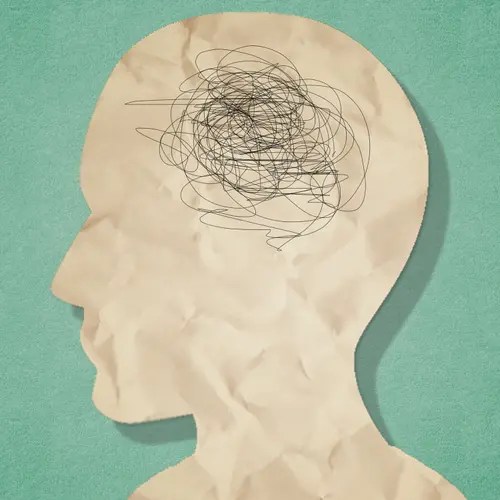
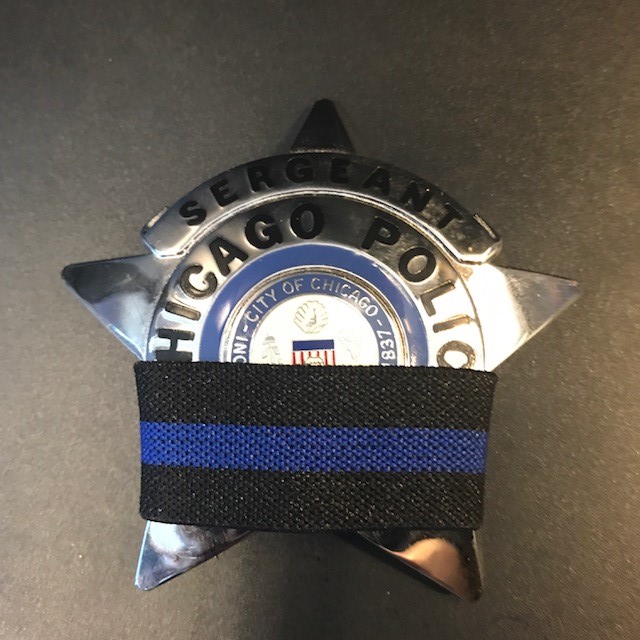
Stress awareness remains a key denominator for law enforcement for managing its malignant power to impair

WESTBOROUGH, MA September 23, 2023 – Police agencies across the country are looking for ways to mitigate the impact of accumulated stress associated with exposure to the worst of the worst of all human experience. These events happen everywhere and are unpredictable. “Arguably, everything from unattended death, domestic violence, child abuse, and a fatal motor vehicle crash can show up on the call board of any dispatcher on any day or night” according to Sefton, 2015. Career longevity and hardiness is essential for good law enforcement. There is a lot of training going on across the country emphasizing the importance of lowering stigma and bias against people with mental illness. Police officers and social workers are now found together in cars where mental illness is a suspected underpinning. The idea in not new and is known as jail diversion. For those with active mental illness diverting the citizen to behavioral healthcare is a better alternative than delivering them to the county holding facility. Programs for jail diversion are gradually making their way into small and medium sized departments across the country thanks to grants and political best practices. Gradually, the law enforcement field has had to look at itself and accept that when an officer is exposed to traumatic events over and over during his or her career, then we can expect that there will be an emotional response of some kind. That is a fact and impacts career longevity including physical and mental wellness.

Police officers are often hard charging men and women – especially right out of the academy and field training. They quickly go all in and no one wants to be seen as weak or unreliable. The field training is also being modified to allow officers to experience normal reactions to these early exposures. Things that can lead to stress and decreased efficiency as life circumstances change. Situations like marriage, children, buying a house, childcare, financial angst, you name it. Add to that mid-career professional jealousy and cynicism, career embitterment, resentment, staying current with court cases, mandatory overtime, holidays, and life becomes pretty hectic pretty quick. High stress situations require considerable time for all people to process. In law enforcement, time is something that is often a luxury. “Downtime is important for our health and our body, but also for our minds,” says Elissa Epel, M.D., a professor in the psychiatry department at the School of Medicine at the University of California at San Francisco. Some say that humans need 24 hours to process a high stress experience and return to normal balance.

“I have several posts that have brought up the human stress response going back to 2015 but there is plentiful research dating back 50 years or more on the human stress response and autonomic dysregulation. I believe strongly that unregulated sympathetic arousal can lead to a decline in physical well-being as the literature guides. The human cost of stress has been well studied and the effects of stress are a well-known cause of cardiovascular illness including heart attack and stroke and others.  It is now known that the brain plays a big role in all of this.”

Stress is a cumulative response to exposure to threatening, fearful, or chaotic scenes. It is especially important that cops are able to quickly assess violent scenes to provide best and most timely action. Active shooter protocols require that teams of officers are not distracted in their search for the shooter sometimes stepping over victims along the way. It can become very difficult unless they are disciplined. “Officers are trained to be vigilant and alert. The job demands it. But these expectations, mixed with chronic exposure to stress can make officers hypervigilant and hyperalert even during moments of calm. The stress of police officers doesn’t suddenly disappear when a shift ends” as reported in Powerline on Law Enforcement, published in August 2023. Whenever I have participated in an after-incident review or formal defusing/debriefing, I rarely have an officer raise his or her hand when asked “did any of you experience significant stress during this call?” That is to be expected to some degree. But honest reporting on call-related stressors like an officer involved shooting, fatal car crash, sudden cardiac event in another officer, or domestic violence homicide should leave any one of us in an elevated state of stress. This comes from the brains response to fear producing events that all human beings experience and takes as long as 24 hours to return to normal. Some say police officers can be taught to reduce the effects of high stress call to 60 minutes. The problem with that is that many agencies with high call volume do not have the manpower to allow one of more officers to sit on the sideline as their stress response slowly trends down to normal. Men and women in law enforcement are vulnerable to chronic stress and many do nothing to mitigate this vulnerability.

For career hardiness it is essential that law enforcement officers manage their stress. This means regular exercise, a healthy diet, and stress awareness and mindful lowering the body’s elevated fight-flight response. Especially after exposure to the gut-wrenching calls that regularly come across the police scanner. Well-established research has shown that low-level daily stress can create such intense wear and tear on our body’s physiological systems that we see accelerated aging in our cells, says Elissa Epel, M.D. who co-wrote the book “The Telomere Effect.” Epel added: “Mindfulness-based interventions can slow biological aging by interrupting chronic stress, giving us freedom to deal with demanding situations without the wear and tear — and giving our bodies a break” as described in the Washington Post article authored by Jamie Serrano on June 29, 2024. In my experience, the techniques of mindfulness have an appreciable impact on lowering self-regulation described in most literature. The drawback is a lack of carryover and minimal positive practice. It is not for everybody but it can be one part of a comprehensive goal of self-care and emotional resilience needed for long-term career success. The importance of this practice cannot be overstated when cops frequently jump from one call to the next. I offer individual biofeedback sesssions to lower the body’s sympathetic activation that often ramp up at times of threat. For many in law enforcement, the experience of being under threat never goes away. This can hurt.

In the Spring of 2024, I was involved in a Zoom presentation on the important ways to unpack stress and its cumulative impact on physical and mental health offered by Whittier Rehabilitation Hospital in Westborough, MA. Like everything in the new year, innovative ideas and habits are hard to stick with. But building discipline is easier when one becomes committed to educated on what stress can do to our bodies and committed to using our skills to limit the daily accumulation of adrenaline and cortisol and recognizing the signs of an abnormal stress response. Things like poor sleep, irritability, excessive use of alcohol or drugs, forgetfulness, overeating, lack of exercise, isolation, etc. We all do these things at times, we are human. But when you find yourself going off the rails, and are not taking proper care of yourself, it may be a sign of a growing stress response that may lead to depression, anxiety, and a host of physical conditions like hypertension, heart disease, stroke, autoimmune disorders, obesity, and diabetes. A balance of work and personal life should be part of any stress lowering plan. It becomes especially important to pull yourself back into your routine. Things like exercise, nutrition, mindfulness lowering alcohol intake, regular sleep, and maintaining family and social connections become key tasks to help you feel better and lower shame and guilt.

“If we perceive our available resources to be insufficient, along comes the ‘threat’ mindset. When threatened, stress has a catastrophic effect on our ability to perform. We receive an enormous sympathetic surge (adrenaline/noradrenaline dump), and our HPA axis pumps out cortisol. High cortisol levels have a very detrimental effect on higher cognitive processes – decision-making and prioritization” as described in a blog written by Robert Lloyd, MD.

I conduct pre-employment psychological screening here in Massachusetts. Men and women entering the field today are smart and well-educated. Academy curricula integrate behavioral health and officer well-being more than ever teaching students to utilize stress response strategies to lower the threat response sometimes aberrant in acute stress reactions. Agencies like the RCMP and the Finnish Elite Police service are using paced breathing techniques to quickly reduce the effects of high adrenaline that is a hindrance to physical and cognitive functioning. These techniques are easily taught and when learned, need little to no technology or equipment to implement.

According to Leo Polizoti, Ph.D., the primary author of the Police Chief’s Guide to Mental Illness and Mental Health Emergencies, and colleague, stress can lead to a breakdown in adaptive coping. “Learned resilience can be taught and leads to reduced stress and psychological hardiness rather than psychological weariness and burnout. Psychological weariness is a drain on coping skill and regular adaptation to job-related stress needed for efficiency for handling the everyday calls for service. Resilience and career satisfaction are important components of law enforcement and individual officer training, on-duty behavior, and career longevity. Positive resilience will reduce officer burnout, misconduct, and reduce civilian complaints against officers.

Some law enforcement officer deaths may be reduced by using a stress intervention continuum as a way to get out ahead of the buildup of stress. This program ties the range of calls into a stress reduction protocol that empowers resilience and recognizes the importance of stress mentoring and the soft hand-off for defusing the growing impact of high stress and high lethality exposure. If 10 cars are sent to a fatal automobile accident with entrapment, then these officers would be expected to participate in an after-action defusing of the incident. Those 10 units would also be coded with a level 1 call – highest level of acuity. This is easy technology and cars are often dispatched to level 1, 2, or 3 depending upon the severity of the call. It becomes an end-of-the-year task to see which officers have accumulated the highest number of Level 1 high acuity calls. Level 1 is highest priority and puts the officer at highest risk for exposure to traumatic stress and its debilitating impact.

The stress intervention continuum does not single out one officer but identifies all officers – including call takers, dispatchers, and supervisors for defusing particularly abhorrent events like mass shootings, domestic violence homicide, or fatal car crashes. This way, personnel who played a roll in a “bad call” will not be overlooked nor stigmatized for stress reduction defusing and/or debriefing. Chief Paul Saucier who is the interim chief of police in Worcester MA requires that officers attend a post incident defusing after major events with high lethality or particularly lurid stressors. Worcester PD is an agency with over 400 officers and may participate in this program. More agencies are beginning to utilize some form of online screening that officers may complete on an annual basis that measures perceived stress over the previous month. Chief Saucier and I have discussed options for on-line assessment and annual reviews. I have looked at the Perceived Stress Scale – PSS-10 for implementation.

LODD – Unsustainable pain in the thin blue line

I recently read an article in the Washington Post first published in 2018 written by Michael Miller. I sent him a note suggesting he pick up the ball on this. I am interested in the topic of police behavioral health and understand the dynamic of law enforcement suicide and how the notion remains stuck in modern police service due to stigma with suicide and mental health wellness in police officers.  I am a former police officer and know there is nothing more horrific than a police officer suicide or death to a member. In Chicago officers have taken their own lives while in the driveway of their duty station. In Los Angeles, four active duty or retired officers committed suicide in one weekend in November 2023. In Washington DC, an officer who was ordered back to work following the attack on the Capitol killed himself while driving to his work. People are starting to connect years of service with risk for suicide and many departments are taking police officer wellness as the key to both career hardiness and job performance. One officer granted LODD status remains in conflict. Erin Smith wants her husband’s name added to the D.C. police department’s list of fallen officers and engraved on the National Law Enforcement Officers Memorial, and the official burial honors traditionally afforded to officers killed in the line of duty according to a Washington Post opinion piece from .

I was part of a panel about police suicide in Chicago in 2019.  The dark problem is especially taboo when cops are involved in a line of duty shooting and later kill themselves.  The Chicago program was held following a rash of suicide deaths in the Chicago PD. Most officers do not return to the job following the investigation of their actions. Some do. Those who do return are off the job within five years. I am a police consulting psychologist in the Boston area.  I am charged with pre-employment screening and fitness for duty exams after law enforcement exposure to trauma.  More needs to be done to link on-the-job exposure to horrific and despicable human behavior to suicide and afford them line of duty death status including the honors and pension compensation just like other officers who die in the line of duty. In Washington DC officers who took their own lives following the Capitol insurrection were afforded line of duty status. Why not others? 

“Police work took officers to “some of the darkest places in America,” he said, and few were darker than the scenes of officer-involved shootings, often called “critical incidents.” Line of duty death and police well-being are strongly impacted. Some police officers kill themselves after critical incidents they cannot unsee.”

“Chicago is kind of like ground zero with the number of suicides that are happening on a monthly basis now at this point,” said Daniel Hollar, who chairs the department of behavior and social science studies at Bethune-Cookman University in Florida. Dr Holler hosted Dr Doug Joiner to Chicago for a symposium in 2019. Dr Joiner taught us much of why officers kill themselves. He says they become embittered, they feel a deep sense of thwarted belongingness and grow increasingly detached with higher risk of suicide. “These are police officers answering calls of duty to protect lives. We (need to) do our job to make their jobs safer.”  said Dr. Joiner. After an officer suicide, personnel try to reconstruct what was going on in the person’s mind by systematically asking a set of questions, in a consistent format, to the people with the greatest insights into the person’s life and mind—family, co-workers, and friends.” This is known as a psychological autopsy, and I have proposed it for any officer who dies by suicide. If this is done effectively, I can assure you there will be no escalation of suicide among police officers. Something police chiefs and city counselors unfairly fear. 

I am working with one department where two officers have not returned to active duty nearly two years after being involved in a violent shooting while trying to help someone who had led them on a chase ending in a roll over motor vehicle crash.  As officers approach the overturned vehicle the driver began shooting at them with a semiautomatic rifle. These brave men were traumatized by the fatal shooting of a subject who first fled from a legal police car stop and then opened fire on them. They have been out of work on administrative leave receiving behavioral health support but are unlikely to return to service. 

I have conducted a psychological autopsy on a police constable who was involved in a line of duty shooting resulting in death in November 1971.  He was a full-time police officer in Mifflin Township, OH that had no formal police department.  No chief and no field training support.  He shot and killed a man and was cleared of wrongdoing.  Sadly, he killed himself in front of his wife one year later at Christmas. He grew restless and embittered after being villified by people inhis community. He believed nothing was being done to support and protect him. He is buried in a cemetery near the man he shot and killed.  I want this death changed to line of duty (LODD). Why?  When someone kills themselves most departments, including all smaller agencies, fail to discover the set of facts and red flags left behind leading to suicide. The investigation is often cursory, purportedly out of respect to the family. But there are factors in the careers of police officers that make them at higher risk for suicide then the public. This is not sustainable.  

I have been writing about this for 9 years in the pages of my human behavior blog. In Chicago, if an officer comes forward looking for help, they are stripped of their firearm, police powers, and their star (badge). This is demoralizing according to officers I have spoken to.  Why would anyone come forward if this is the protocol. This may be changing, whereas CPD has added therapists in each of their 23 police stations. Unfortunately, one cannot unsee some of the darkest scenes in human behavior like the death of a law enforcement officer or domestic violence resulting in death.  The psychological autopsy must include a 3-month list of calls the decedent answered including those for which he or she was given debriefing, defusing, or time off for respite from the job. I would want to understand how the call volume may have triggered underlying acute stress of new calls that triggered new trauma? In any case, the story was interesting and careful analysis is important in all incidents resulting in police suicide.

Life-like, scenario-based training and human autonomic functioning: The new neurobiology of police work

I authored a paper for a class I took on the interaction of stress on brain functioning among police officers. It was an awesome class taught by a physician Sabina Berretta, MD from McLean Hospital in Boston. Severe threat responses that are extended or frequently repeated can significantly raise the risk for physical and mental health conditions such as cardiovascular disease and anxiety disorders – and PTSD. 

“Although resilience — the ability to cope during and recover from stressful situations — is a common term, used in many contexts, we found that no research had been done to scientifically understand what resilience is among police.” as published in the Royal Canadian Mounted Police Gazette Magazine in 2017. Law Enforcement officers have a unique role among first responders in that they often have little time between calls for service. They face repeated stress, work in unpredictable and time-sensitive situations, and must act in accordance with the specific provincial and departmental policies according to RCMP documents. Police everywhere are faced with this reality. Some might argue policework is comprised of hours of boredom coupled with moments of extreme stress and shere terror from exposure to traumatic scenes and experience. The juxtaposition of these changing scenarios bespeaks the career challenges faced by cops from small towns to urban cities.

LEO’s experience wide ranging physical conditions from hour to hour during their appointed shift work. In a study by Andersen et al. designed through looking at realistic training scenarios this variability came to life. HRs rose significantly with potential encounters from an average resting rate of eighty-two beats per minute upward to 130-140 bpm or more during high stress calls. For example, Anderson reported the following HR averages for a variety of police actions: hand on gun, no suspect (134 bpm); holster snap open, no suspect present (131 bpm); hand on gun, suspect present (134 bpm); holster snap open, suspect present (131 bpm); talking to suspect (134 bpm) (Anderson et al., 2002)”.

Research shows that there is no evidence-based replacement for reality-based training. In a study comparing technology-delivered training with reality-based training and active-duty encounters, the data found that technology-delivered training didn’t mimic or prepare officers for real-world encounters as did reality-based training, according to her study Judith Andersen at University of Toronto, Canada. The management of autonomic arousal is illustrated in data obtained from officers with excessive HR given that research has shown that when HR exceeds 170 BPM, perceptual distortions (e.g., tunnel vision, auditory exclusion), freezing, and possible irrational behavior are highly likely to occur (Siddle, 1995). Siddle focuses much of his writing on having a warrior mentality and remaining focused. Autonomic systems in the body sustain us for short periods when there are threats present.

The fight-flight response activates us for battle in the presence of fear, threat, and unseen danger. We need officers to be prepared when under threat especially when times become chaotic and threatening. When these threats are no longer present the parasympathetic system needs to put the brakes on our runaway stress response. The problem lies in cases where the fight-flight system becomes unmodulated and chronically on guard – like the hypervigilence associated with PTSD. The body reacts to reality-based training by allowing for automatic changes in heart rate, muscle tension, galvanic skin response, and respiratory rate to be ready when needed. Physical conditioning and healthy nutrition combine with stress hormones at times of high stress to aid us in battle. Similarly, it becomes essential that the burden be mitigated at the end of the day. Unless this can happen, officers may become cynical and lose resilience needed for a hardy career. In some cases, officers who are poorly regulated may become candidates for career burnout and questionable use of force.


Andersen, J.P., Pitel, M., Weerasinghe, A., & Papazoglou, K. (2016). Highly realistic scenario-based training simulates the psychophysiology of real-world use of force encounters: Implications for improved police Officer Performance. Journal of Law Enforcement.

Andersen, J.P., Pitel, M., Weerasinghe, A., & Papazoglou, K. (2016) http://www.jghcs.info (2161-0231 ONLINE) JOURNAL OF LAW ENFORCEMENT, VOLUME 5, NUMBER 4.

Laur, D. (2014) The Anatomy of Fear and How It Relates To Survival Skills Training. Integrated Street Combatives. http://www.hptc-pro.com/wp-content/uploads/2014/01/The-Anatomy-Of-Fear-Laur.pdf, taken January 29, 2023.

Siddle, B. K. (1995). Sharpening the warrior’s edge: The psychology & science of training. Millstadt, IL: PPCT Research Publications.

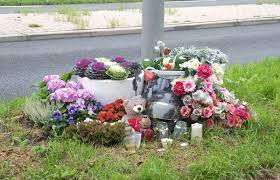
Roadside memorials and people who maintain the shrines we see on roads everywhere

Roadside memorial

I am always in awe when I drive past roadside memorials. They commemorate the place where someone was killed in a motor vehicle crash. They grew in popularity following the of MADD, Mother’s Against Drunk Driving first in the 1980’s in Austin, Texas. These are usually a white cross along with trinkets, toys, and photos that memorialize them life or lives that were lost at the location. Many are painted with the names of people who have lost their lives too. What strikes me is who maintains the site? Is there any sort of memorial at a internment site? Do the same people who maintain the shrines also maintain a grave site?

There is a psychology to the roadside memorials that are dotted across our country’s roadways commemorating the lives of people who have perished. Usually these are simple crosses sometimes emboldened by the name or names of people who may have been in fatal accidents at the location. Others grow to become memorials to a lost love one and are maintained by grieving family members. I seem to see them everywhere and wonder about the survivors. Do they visit the site? It is different then a cemetery in that this is not the place where they were laid after death, but this is the last place on earth their loved one was alive. 

I am reading a couple of books about roadside memorials with interest. One is a thesis from a Canadian university, authored by Holly Everett from Memorial University in Newfoundland. These sites are also known as the “spontaneous shrines” that result from a public outpouring of grief according Everett who studied the shrines in Texas as part of her graduate work. It makes me sad when someone builds a spontaneous shrine to honor the loss of someone. On my way to work a few months go, I noticed that 2 crosses were erected in a tree near my home. A spontaneous shrine.

While working as a police officer I noticed these spontaneous shrines popping up in our town usually after a fatal accident. Fortunately, we had very few fatal crashes in the 12 years I worked. Towns everywhere, including the one in which I patrolled, were discussing regulations about the roadside crosses and all the stuff that accumulated along with them. Our chief was sympathetic but the one or two shrines in our town became a traffic hazard in his mind. Cars (I assume family members or friends) would slow or stop for a short visit. We always worried about someone getting injured or killed on the site of one of the crosses. And we had a call to the cross on Rt 67. The boyfriend of one of the victims was sleeping at the cross site. Upon further investigation we learned that he was so grieved that he wanted to stay with the girlfriend’s cross one last time. Sadly, we had to send him along because having a sleeping person on a busy road caused too much public concern. Communities are needing to regulate these sites because the grieving public tends to add more and more to them. Some family members even mow grass or shovel snow keeping the site looking prosperous. According to the draft policy posted on the BBC site, “locations and content of roadside memorials will be vetted for safety and messages that can be considered “offensive” will be banned, as will any sort of illumination or materials that can shatter, such as glass” January, 2022

It struck me that the first names were imprinted on white crosses leaving off the last names of the two boys who died at the site. I would have liked to know the last names. I wanted offer my condolences in some way. Maybe I had seen them riding bikes in the neighborhood just recently, at least until one of them earned his driver’s license.

Loneliness, loss, and fading resilience in the tarnished golden years: languishing with loss of purpose

The isolation felt by people in quarantine can leave the average person feeling numb and emotionally languished. Recently, I provided a zoom conference on the psychological impact of the coronavirus in November 2021 from my office at Whittier Rehabilitation Hospital in Westborough, MA. It was well attended, largely by people who are psychologically minded and aware of the points I endeavored to make. My target audience was the people who were struggling and vulnerable to decreased coping during covid-19 recovery. I am unsure we hit the mark I was hoping for with the target audience.  The fallout in mental health from the coronavirus is real and it is now recognized as a public health menace among recovering adults. It is now being seen in children and adolescents with growing concern. Just like younger patients, loneliness and social isolation in older Americans are serious public health concerns putting them at risk for dementia and other serious health conditions including failure to thrive, sepsis, malnutrition, addiction, and mental illness according to a CDC report. For many individuals in quarantine, the nightly happy hour started earlier and earlier raising the specter of worsening substance abuse and addiction. The liquor stores were soon to be considered essential services and package delivery became a common source of re-supply. The impact of isolation, emotional loss, and social detachment undermines public and behavioral well-being across the life span. It is a co-occuring illness among illnesses afflicting millions. I see it in my own family as nerves are frayed now almost 2 years in – first noted in the blog post published in May, 2020 (Sefton, M.). In this fourth wave of the virus called the Omicron variant, people are tired of hearing about social distancing, mask mandates, and rising infection numbers. I see it every day.

I have worked with older clients for over 25 years first as a post doctoral fellow at Boston City Hospital – now BUMC. Long before the pandemic, my work at Whittier Rehabilitation Hospital has been to provide support and direct service to patients’ suffering from debility associated with decline in physical health along with the psychosocial needs and changes. All too often, this includes feelings of loss of control and sadness that is palpable in our short conversations. Many seniors feel invisible and the virus exacerbates these feelings. Declining health further instills the loss of purpose and amplifies the stigma of being seemingly infirm. The lack of purpose germinates from the passing of a spouse, close friends who move or have died, food and financial insecurity. It precedes a death wish and it’s associated demoralization. My mother was infected with the coronavirus in mid-April 2020 before the vaccine was introduced. She lived in the same nursing facility where I lost my 93-year old aunt in the first wave of the virus in May, 2020. My mother survived the virus but it has taken a significant toll on her physical and cognitive well-being. We were not permitted to see my mother during her illness and my aunt was alone on May 1 when she succumbed to the virus.

Trauma informed therapy refers to the critical understanding of one’s emotional history and supports the model of early traumatic experience being one underpinning of many mental health outcomes and threatened resilience later in life. These kinds of experiences have an impact on people who have had loved ones die while in lock down across the country and can engender guilt and helplessness. Often, singular front line medical staff are alone with patients who succumbed to the virus – sometimes holding the fading grip of another disappearing life. This heroic act of empathy happens without fanfare or even a moment to process its importance and acknowledgment of the person’s passing.

Hurry up: you are called to help save lives but are told to do nothing!

The man stopped breathing.His color signaled that he had only moments to live. His nurse called the code. This brought a hospital team of 

nearly 20 staff members assigned to the code blue team. Their job was to provide intervention for advanced cardiac care to return circulation and restore breathing. Every member of this team had a job to do. Starting with the scribe who kept track of everything. “Is somebody writing”? Inquired the maestro. Things like the minutes since the heart stopped and when he first received medication, when IV access was achieved, or the time he received the lifesaving shock to his heart, known as defibrillation. Her voice was sometimes shrill as she tried in vain to speak above the calamitous scene by tracking time since last dose of epinephrine, adenosine, or vasopressin or changing vital signs. Her job was essential and had to be accurate. These are high stress low frequency events that nobody enjoys. 

The code team works like an orchestra led by the maestro – sometimes a senior nurse. The maestro must be laser focused and have full knowledge of the patient’s recent medical history and all possible causes leading to this event. Maestro follows an ACLS protocol that guides the decision tree. The team had assigned jobs for CPR and back-up to the person assigned to be first on chest compressions. And there was the rescue breather, respiratory therapist, IV nurse, the runner for blood and other equipment, pharmacist, and physician – usually the maestro. For many team members, there is an intangible calling that underlies a doting sense of purpose which brings them into nursing.The less experienced team members may be second chair in this orchestra but all feel cheated when outcomes are bad. 

The man in question wanted no heroic measures taken and did not wish to be transferred to the trauma center if his heart were to stop beating. It was his advanced directive. 

 On this particular day, the nursing staff on duty watched the patient closely. His heart was being monitored for rate and rhythm. His breathing sounded scary in the early morning hours on the Saturday after Thanksgiving. The family had not been able to see the man who had been diagnosed with covid-19 following a stroke. By all reports his viral load was mild. He seemed to be getting better leaving most of us to believe he would slowly improve and one day make it home. I spent time with him that Friday assessing his language. It too had improved during his time in the unit.

 The physician on the day shift was not on the unit yet on the Saturday morning. It would be the man’s last day. He was running a low grade fever perhaps 99.8 degrees. This was lower than it had been the days prior. The man had started to show signs of improvement after being diagnosed with coronavirus shortly after being admitted to the rehabilitation hospital. He was fully vaccinated. So what happened? He went from being on the mend to not breathing in a matter of hours. This is what front line ICU nurses and doctors have been dealing with for 18 months during this pandemic. We saw very few cases of this type at our hospital. Afterall, he was in our hospital to rehab from his CVA.

 These events take a human toll and put a chink in the armour. Outcomes whittle away at job satisfaction, personal efficacy, and professional.purpose. The coronavirus was making its fourth appearance with a growing wave of breakthrough cases which had us all on edge. The man in this case was sick well before my breakthrough surprise. I became infected in mid-December and was sent home for quarantine. 

 The man was transferred to us following a significant left hemisphere stroke. He was sent for retraining to advance the  functionality of his language so he might return home. He had global aphasia but was getting better with using words and helping himself. Slowly, his receptive language was starting to make connections again. He started to understand nuance and gesture. He could make his point using the tools he was learning during therapy sessions. These are good signs in early stroke recovery and represent the plasticity in the human brain. He had become able to follow some perfunctory directions and express his basic needs, still sometimes missing the point by using jargon. This is known as the language of confusion in speech pathology circles. We have excellent speech pathology services at Whittier and I especially respect their efforts and expertise. 

He was not depressed and was working with his therapy team as much as he could. For their part, the staff is passionate when it comes to helping patients gain function. By standing, speaking, and eventually, directing their own care. 

When he was admitted, the man and his family decided that they wanted no heroic measures taken should his heart stop beating. No CPR, no intubation or breathing tube, no transport to a higher level of care such as the nearby trauma center. He was not a young man and believed he had lived a good life. His wishes. 

Remember, his breathing and respiratory drive took a rapid turn for the worse. Quickly, he went from looking bad to looking better, to looking worse. In a matter of a few hours his breathing had become more shallow. Agonal in quality. His nurse called the code. 

Agonal breathing usually signals a cardiac arrest. Nurses are trained to respond with the code cart and a dozen or more advanced cardiac rescue interventions geared toward restarting the heart and saving a life. Not the outcome last Saturday morning. His choice was very clear – no heroic measures. So staff were instructed to stand down and watch. Some staff became emotional and were consoled by senior nurses.They could do nothing but sit on their hands. 

The younger staff felt traumatized, as this was not supposed to happen. Even support personnel were watching as team members slowly backed away to hear witness. 

 His family was called and the sad news was shared. They had not said goodbye because of the mandated virus protocols. He did not yet receive the Sacrament of the Sick, as he had wanted. He was not alone and in the end, the group came together to recognize this man for the good fight he brought forth at rehab and for having the courage to know what he did not want, and for those few things he did. He died at 8:12 as he wished, without fanfare. The maestro on this day, reminded them all of this and that he lived a full life, and the scribe recorded the time. 

“Long haul cognitive effects of Covid-19” in those who have “recovered”

There are now sufficient numbers of individuals who have had the coronavirus during the past 15 months who are presenting to their physicians with lingering symptoms of the disease. They are now known as long-haulers. People who have sometimes multiple complaints that suggest to researchers that they are a different group of patients. They tend to be younger, they generally have more complex medical histories including a variety to pulmonary conditions, and they are not the case you might expect to be most debilitated. This report is derived from the literature recent review and live zoom presentation on the Cognitive Impact on Long-haul survivors of the coronavirus held on May 20, 2021. It is available on the Whittier Health website. I want to thank Lauren Guenon, MS, SLP, CBIS for her help in this program and the data mining we are continuing.

Coronavirus molecule under magnification

It was first reported that overwhelming viral spread was thought to be primarily respiratory. The virus multiplies inside the body and is likely to cause mild symptoms that may be confused with a common cold or flu. This changes in many as the viral load evokes a cytokine autoimmune response in the body. As the virus takes, hold during the worsening pulmonary phase primarily respiratory symptoms such as persistent cough, shortness of breath, and low oxygen levels are observed. Too many survivors say the ignored this phase and just tried to rest at home. Often they were transported to hospital after being overwhelmed by the inflammation in their lungs and other organs. Hyperinflammatory phase, occurs when a hyperactivated immune system may cause injury to the heart, kidneys, and other organs as covid-19 devours healthy cells leading to death of cells in a process called apotosis.

Experience shows most long-haulers were expected to fall into the high risk category. like those with chronic COPD, but there is also a growing percentage of people who were otherwise healthy before they became infected and are not the older, sicker cases first described.

About 33% of COVID-19 patients who were never sick enough to require hospitalization continue to complain months later of symptoms like fatigue, loss of smell or taste and “brain fog,” that can interfere with functional tasks including the return to work.

University of Washington (UW)

It remains unclear if neurological complications are due to the direct viral infection of the nervous system, or they are a consequence of the immune reaction against the virus in patients who presented pre-existing deficits or had a certain detrimental immune response from their immunocompromised status when infected. 38 males, ages 22-74

The first studies of long haul survivors are being published. They are small studies reporting on the Italian first wave in 2020. The cases are hospitalized, non-intensive COVID units in Milan, Italy. These were not the patients who needed intubation or ventilatory support. Most had ARDS (mild, moderate, severe) Ferrucci, R et al. Subjectively, 31.6% reported overall cognitive decline 4-5 months after discharge when they were screened using a commonly administered cognitive test, then assessed using BRB-NT. Results for this group of moderately infected patients included: 42.1% processing speed deficits; 26.3% delayed verbal recall; 10.5% immediate verbal recall; 18.4% impaired visual long term memory, 15.8% visual short term memory; and 7.9% semantic verbal fluency deficits. Helms et al. reported on 58 patients who were evaluated in the ICU with over a third (33%) exhibiting dysexecutive syndrome, poorly deployed attention, and decreased capacity for organization

In another Italian study, 81% of patients had cognitive deficits including difficulty in areas of attention and executive functioning with pronounced weaknesses in divided and sustained attention (complex attention) set-shifting, speed of processing, and working memory. This was a group of 57 patients who were sent to acute rehabilitation after they were cleared of having active virus. All were debilitated and had a mean age of 64. 75 percent were male, 61 percent non-white and 56 percent were fully employed. In this group 88 % had suffered hypoxic respiratory failure with most being intubated for ventilatory support. 29% went on to get a tracheostomy tube inserted indicating a likely longer-term need for breathing support. 84 % need assistance with activities of daily living, has impaired mobility, and support for IADL’s. Neuropsychology services saw them an average 6.6 days after admission to the rehabilitation hospital. In general, the Whittier cases admitted for covid-recovery were referred to a neuropsychologist within 48 hours of admission. Ventilation-induced hypercapnia has been experimentally shown to lead to cognitive impairment due to acute inflammatory response advancing the cytokine storm and its multi-system impact.

Studies have described long-term risk and short-term risk to cognitive health from the coronavirus. Severe cognitive decline like dementia may be associated with co-occurring illness from anoxia, respiratory failure, blood clots and is associated with more severe disease and chronic long lasting symptoms. These are linked to prolonged risk of systemic inflammatory illness, increased risk of stroke and white matter disease within the brain and even reported cases of acute transverse myelitis (Budson,A, 2021). Budson reported on symptoms in 30-50 percent of people who experienced mild to moderate disease. Zhou et al. described a sample of 29 patients who were assessed 3 weeks after discharge home who were found to have dysfunction in the system of attention – most notably in sustained attention and reaction time. This may be the result of decreased mental endurance, slow processing and fatigue that are reported across several studies reported here. These patients were positively coorlated with C-reactive protein – a marker of the bodies inflammatory response when elevated.

Elevated level of CRP may be a valuable early marker in predicting the possibility of disease progression in non‐severe patients with COVID‐19, which can help health workers to identify those patients an early stage for early treatment.

Nurshad, A 2020

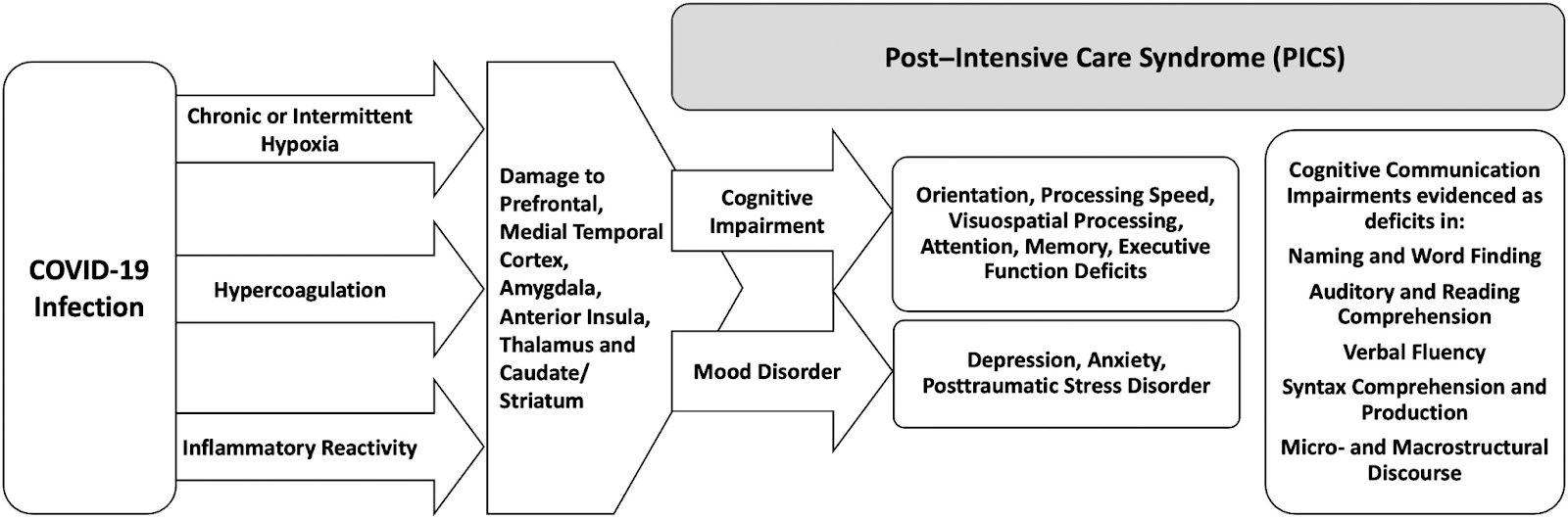
Rampage published in the table below in the American Journal of Speech Pathology in 2020. The long-haul covid-recovered are likened to patients described as having post-intensive care syndrome that occurs as a result of the changes in the system of cognition and emotional regulation. This is one of the best tables I have seen that illustrates the impact of the virus and the systems that are impacted. Rampage et al.

Delirium is another concern and fits in with what is called post-ICU syndrome (PICS), a collection of problems that can present—and linger—after a critical illness.  “The three domains we worry about are impairments in physical function, cognitive function, and mental health” .

Yale School of Medicine Carrie MacMillen June 2020 

The long term impact may be seen later on in life. Chronic systemic inflammation has been shown to promote cognitive decline and neurodegenerative disease makes it more likely that COVID-19 survivors will experience neurodegeneration in later years that has been known for a long time. Those with short term cognitive consequences may have had less viral load and for a shorter duration of time. Interestingly, those who were in covid-recovery units and on ventilators tended to report less cognitive symptoms suggesting there may have been some protective element to consistent ventilatory or simply timing and getting to the hospital before the hyperinflammatory (cytokine storm) phase of the viral process. A global increase in the prevalence of fatigue, brain fog, depression and other “sickness behavior”-like symptoms implicates a possible dysregulation in neuroimmune mechanisms even among those never infected by the virus .

Whittier Rehabilitation Hospital in Westborough, MA is looking at the data of 73 patients. This is very likely the first and largest subset of surviving long haul cases of the coronavirus. Our population is older 70.6 years, 66% white males versus approximately 64 years reported in the Italian studies reported here. The Italian samples were largely male as well. The average length of stay was 19.6 days. 21% had signs and symptoms of clinical depression or generalized anxiety co-occurring with their physical and cognitive symptoms. 14% had persistent delirium and encephalopathy.

Recovery from the long-haul symptoms reported in this paper will take weeks to months we predict. It has been recommended that aggressive multidisciplinary rehabilitation be initiated as soon as endurance permits. Intensity shoould include 4-5 times a week PT, OT, and speech language pathology. In many cases the comorbid depression and anxiety must be dealt with concurrent to the restorative physical and cognitive work. Some have likened the neurocognitive impact of covid-19 to that of a moderate traumatic brain injury in the breadth of its impact and tough return to a semblance of normalcy. Aggressive treatment is strongly recommended and should be commensurate with endurance and debility. There is evidence that the likelihood of full return to work is decreased after 6 months or more of recovery.


References

Ferrucci, R et al., (2021) Brain Sci. 11, 235.

Jaywant et al., (2021) Neuropsychopharmacology, 0:1-6

Budson, A. (2021) B.U.Medical School — https://www.health.harvard.edu/blog/author/abudson

Heneka et al. (2020) Alzheimer’s Research & Therapy. Long and Short-term Cognitive Impact of Coronavirus. 12:69 https://doi.org/10.1186/s13195-020-00640-3

Lawton, MP, Brody, EM. (1969). Assessment of older people: self-maintaining and instrumental activities of daily living. Gerontologist. 9(3): 179-186.

Ramage, A. Potential for Cognitive Communication Impairment in COVID-19 Survivors:  A Call to Action for Speech Language Pathologists.  Nov. 2020, American Journal of Speech-Language Pathology.  Vol. 29. 1821-1832 

Sigurvinsdottir, R, Thorisdottir, I, Gylfason, HF. (2020). The Impact of Covid-19 on Mental Health: The role of Locus of Control and Internet Use. International Journal of Environmental Research and Public Health, 17:6985: doi:10.3390/ijerph17196985.

Nurshad, Ali, (2020) J Med Virol. Jun 9 : 10.1002/jmv.26097.

Ludovica Brusaferri, Zeynab Alshelh, Daniel Martins, Minhae Kim, Akila Weerasekera, Hope Housman, Erin J. Morrissey, Paulina C. Knight, Kelly A. Castro-Blanco, Daniel S. Albrecht, Chieh-En Tseng, Nicole R. Zürcher, Eva-Maria Ratai, Oluwaseun Akeju, Meena M. Makary, Ciprian Catana, Nathaniel D. Mercaldo, Nouchine Hadjikhani, Mattia Veronese, Federico Turkheimer, Bruce R. Rosen, Jacob M. Hooker, Marco L. Loggia (2022) The pandemic brain: Neuroinflammation in non-infected individuals during the COVID-19 pandemic, Brain, Behavior, and Immunity, Volume 102, Pages 89-97, ISSN 0889-1591, https://doi.org/10.1016/j.bbi.2022.02.018.


Law enforcement suicide: Using the psychological autopsy for questions of line of duty deaths

Officers often walk alone when exposure to trauma whittles away their resilience

Two Capitol police officers have taken their own lives since the insurrection at the U.S. Capitol on January 6, 2021. This information came after the two officers spent 5 hours fighting the insurrectionists sometimes in hand-to-hand combat often being humiliated and threatened. Jeffrey Smith, a Metropolitan D.C. Police officer, and Capitol Police Officer Howard Liebengood both “took their own lives in the aftermath of that battle” of January 6, according to an article in Politico on January 27, 2021. A third officer, Brian Sicknick, age 42 collapsed while on duty the day of the attack. He died in the aftermath of the insurrection a day or two later.

The manner of his death has been determined to be natural causes. Officer Sicknick died from multiple strokes according to the medical autopsy. Some reported seeing Officer Sicknick being struck in the head with a fire extinguisher during the riot. The official cause of death was stroke – or cerebral vascular attack and it is well-known that high stress situations can lead to stroke such as an insurrection or even shoveling one’s drive following a snow. Sicknick was only 42 years old and in good health prior to the Capitol attack. Officer Sicknick was afforded the honor of laying in honor in the Capitol Rotunda after death. Antoon Leenaars, past president of the American Association of Suicidology, described the patterns of thinking among depressed or suicidal persons, and explained how the use of “psychological autopsies” can uncover the key elements that are present in many suicides. This is an important first step in the battle to change officer suicide to become more attributed to line of duty death. This determination is owed to many of these brave men and women who died because of the recurring emotional trauma to which they were exposed.

“Jeffrey Smith was still fighting to defend the building when a metal pole thrown by rioters struck his helmet and face shield. After working into the night, he visited the police medical clinic, was put on sick leave and, according to his wife, was sent home with pain medication. Smith returned to the police clinic for a follow-up appointment Jan. 14 and was ordered back to work, a decision his wife now questions. After a sleepless night, he set off the next afternoon for an overnight shift, taking the ham-and-turkey sandwiches, trail mix and cookies Erin had packed. On his way to the District, Smith shot himself in the head.

Smith’s wife Erin reported after her husband took his own life

“On April 2, 2019, PERF and the New York City Police Department took an important step to elevate the national conversation on police suicide and to identify concrete actions that agencies can take to address this public health and public safety crisis. Our two organizations hosted a one-day conference at NYPD headquarters that brought together more than 300 law enforcement professionals, police labor leaders, researchers, mental health care and other service providers, policymakers, and others—including three brave officers who themselves have dealt with depression, PTSD, and suicidal thoughts in the past and who were willing to tell us their stories” according to published executory summary 2019. “The NYPD is making use of psychological autopsies, a research-based approach that attempts to better understand why someone took his or her life. Following an officer suicide, personnel try to reconstruct what was going on in the person’s mind by systematically asking a set of questions, in a consistent format, to the people with the greatest insights into the person’s life and mind—family, co-workers, and friends.” The psychological autopsies contribute to the existing database of information about law enforcement suicide in general, and they help guide individual prevention programs and establish in the line of duty rewards for those whose death’s may be directly associated with their recent tours of duty as in the example of the Capitol officers who died immediately following the trauma of the insurrection where each of them was prepared to die.

The multiple deaths by suicide have renewed attention on another troubling and often hidden issue: Police officers die by their own hands at rates greater than people in other occupations, according to a report compiled by the Police Executive Research Forum (PERF) in 2019, after at least nine New York City police officers died by suicide that year. I was involved in the April 2019 presentation at 1 Police Plaza on the impact of LEO suicide as it related to the high incidence of police officer death by suicide. Police Commissioner James O’Neill gave an impassioned presentation imploring officers to get help and promising to “listen and eliminate stigma” of having trauma-related illness.

Regrettably, first responder suicide is not considered a line of duty death and as such, fails to yield the honor given to officers who die in car crashes, shoot outs, or other direct line of duty incidents. “Now, the surviving families of the courageous defenders of democracy, Jeffrey Smith, and Howard Liebengood — who were buried in private ceremonies, want the deaths of their loved ones recognized as “line of duty” deaths”. These deaths lack the honor and pageantry that accompanied Sicknick’s memorial service in the Capitol Rotunda — Why is the distinction made between the many ways LEO’s die? 

The denial of this recognition diminishes the honor of one man’s service and by doing so, fails every man or woman who puts on a uniform by saying “your experience is yours alone”. And even worse, it amplifies the stigma attached to law enforcement deaths at a time when all else has failed them.

Michael Sefton, Ph.D. 2022

The careful analysis of antemortem exposure and actionable behavior that follows and event like January 6 or September 11 draw the clear, indisputable facts that link officer suicide to line of duty traumatic exposure. The denial of this recognition diminishes the honor of one man’s service and by doing so, fails every man or woman who puts on a uniform by saying “your experience is yours alone”. And even worse, it amplifies the stigma attached to law enforcement deaths at a time when all else has failed them. I cannot stand by this exception to what may be obvious line of duty exposure and police officer death especially after 9-11 and after the Capitol insurrection. But it should in no way minimize the loss of life attributed to suicide when years of exposure have gone unnoticed and even unreported by a law enforcement officer.

After the September 11, 2001, attack on the World Trade Towers there was an increase in LEO suicide. Men and women who witnessed the enormity of the attack coupled with the deaths of hundreds of police officers and fire fighters lost the will to grudge onward by no fault of failure character of their own. They swam in the muck and got wet and could not recover from darkness that engulfed them. The psychological autopsy would quantify these wounds just as the pathologist counts entry and exit wounds from an ambush. 

The juxtaposition of these facts cannot be ignored. Every one of the hundreds of police officers put their lives on the line because of the former president’s truculent narcissism. It would be a dishonor to the men who gave their lives by denying the causal underpinning of their deaths. Suicide by law enforcement officers exceeds the number of officers who die in in gun fights, car accidents, on-duty heart attacks, attacks by citizens, calls for domestic violence, and other police calls for service. “This fact thrust these most private of acts into the national spotlight and made clear that the pain of the insurrection of January 6 continued long after the day’s events had concluded, its impact reverberating through the lives removed from the Capitol grounds” as written in a recent Washington Post report. “It is time the district recognized that some of the greatest risks police officers face led to silent injuries,” Weber said. “Why do we say that one person is honored, and another person is forgotten? They all faced the exact same circumstances.” according to a report in the Washington Post by Peter Hermann in February 2021.

There are things that must be done when law enforcement officers die as a direct result of the the calls they take and the trauma they experience that directly results in their death. Neither of these officers would have died if they had not jumped into the crisis taking place at the U.S. Capitol. Both men were solid members of the Capitol and Metropolitan Police Departments and had no history of behavioral health claims. Neither officer was in trouble with finances, gambling or substance abuse, internal affair investigation, or marital trouble. In the days that followed, Erin said, her husband, Capitol officer Jeffery Smith seemed in constant pain, unable to turn his head. He did not leave the house, even to walk their dog. He refused to talk to other people or watch television. She sometimes woke during the night to find him sitting up in bed or pacing. Her husband was found in his crashed Ford Mustang with a self-inflicted gunshot wound that occurred on his way to the job.

Peter Hermann Washington Post 2-12-2021

Rioters swarmed, battering the officers with metal pipes peeled from scaffolding and a pole with an American flag attached, police said. Officers were struck with stun guns. Many officers were heard screaming into their radios “code-33” the signal for “officer needs help”. This usually is a signal bringing an “all hands” response to the scene of the emergency – in Metro DC, which would mean hundreds of officers would roll. Situations like this send chills down the spine of officers responding to calls for help – some are injured in car crashes racing to back-up officers in danger. It is always hoped that when the call for help goes out as it did that day that enough manpower will respond with enough force to push back on the crowd, however large. In this case, the crowd far exceeded the number of LEO’s available for duty and many officers expected to be killed by the mob. 

The psychological autopsy is a solitary case study of a death event that serves to uncover the psychological causes of death. This study would answer these questions and establish an understanding of worst-case scenario of frontline exposure to trauma and offer insight into underlying history that may have been anticipated and stopped. Without its use men and women die alone and often flooded with shame and loss of dignity. When law enforcement officers take their own lives this careful analysis of the hours and days preceding their time of death is essential to understand. “From this information an assessment is made of the suicide victim’s mental and physical health, personality, experience of social adversity and social integration. The aim is to produce as full and accurate a picture of the deceased as possible with a view to understanding why they killed themselves. This would answer the question as to whether the deaths may be line of duty, as they must. Psychological autopsy is the most direct technique currently available for determining the relationship between particular risk factors and suicide” Hawton et al. 1998

The evidence on Crisis Intervention Team (CIT) programs is thin, in part because these programs vary widely, with some representing basic officer awareness training and others composed of full-fledged and well-funded co-responder programs. However, the evidence on the impact of de-escalation training, which includes instructing police in how to identify and respond to people in crisis, is strong.

Council on Criminal Justice https://counciloncj.foleon.com/policing/assessing-the-evidence/xvi-shifting-police-functions/ taken February 6, 2022.

I have proposed a Behavioral Health initiative in conjunction with changes in police policy and transparency that has been the central posit of social clamor since the death of George Floyd this summer. The International Association of Chief’s of Police (IACP) has a broad-based Mental Wellness program it is reporting on its website that highlights the importance of this kind of support. “The IACP, in partnership with the University of Pennsylvania (Penn) and the Bureau of Justice Assistance (BJA)’s VALOR Initiative, is customizing a program specifically designed to help officers and agencies by enhancing resilience skills. The cost of such a program will reap rewards in the form of career longevity, officer well-being, officer morale, quality of community policing, and greater faith and trust in law enforcement in general. Without psychological autopsy systemic failures in training and support often go unnoticed leaving men and women without a life saver to hold on to.

This investigation is an individually designed case study that elicits a broad range of factual data regarding the antemortem behavior of a decedent in the immediate day or days leading up to the suicide. In this case, what are the events that transpired in the days before the two Capitol police officers took their own lives? The fact is that both men were exposed to incidents and participated in protecting the Capitol on January 6, 2021. Both men were engaged in hand-to-hand combat.  It is known that the insurrection resulted in the death of a fellow officer and the deaths of four other people engaged in violent mayhem in which these men and hundreds of others may have been killed. Both men believed the insurgency was potentially deadly to them or their fellow officers. The psychological autopsy is especially important when first responders and essential workers are involved and die soon after. When LEO’s and first responders are put in fear of death or see other officers being placed in the direct line of fire, are vastly outmanned, and have no way in which to stop an attack, they are at high risk for the “hook” that comes from an acute stress reaction and over time and soon becomes a monkey on the backs of so many fine men and women.

Some agencies, such as the Fairfax County, VA Police Department, are beginning to implement periodic mental health check-ups for their officers and other employees. The goal is twofold: 1) to “normalize” the act of visiting a mental health professional, thus reducing the stigma against seeking mental health care, and 2) to identify and address potential issues early on. (PERF 2019)

“This heroic sequence of behaviors is besmirched by the bias against mental health responses to events that would bring any one of us to our knees. Men and women of law enforcement walk in the darkness, always in death’s shadow. It is time to recognize these officers and help them and their families to know they do not walk alone.”

Michael Sefton, Ph.D. 2018 Direct Decision Institute, Inc.

Departments should consider flexible job assignments or adding exercise to work schedules to release stress. Mental health should be regularly addressed at roll calls, and departments must reduce the stigma — in part by acknowledging the deaths. According to Dr. Leo Polizoti at the Direct Decision Institute, Inc. in Worcester, MA, an annual stress inventory should be conducted as part of the official officer evaluation program. This may be easily done by tracking high lethality calls that may be followed by mandatory defusing/debriefing as close to high stress incidents as feasible. Officers in Worcester, MA are given paid time for these aftermath behavioral health sessions.


Hawton, K., Appleby, L., Platt, S., Foster, T., Cooper, J., Malmberg, A. & Simkin, S. (1998). The psychological autopsy approach to studying suicide: a review of methodological issues. Journal of Affective Disorders 50, 269–276.

IACP (2021) Officer Resilience Training Conference https://www.theiacp.org/projects/law-enforcement-agency-and-officer-resilience-training-program, Blog post taken February 13, 2021

Police Executive Research Forum. (2019) Washington, D.C. 20036 Copyright by Police Executive Research Forum

Buckley, M and Sweeney, A. (2019) Chicago Tribune. Alarms sound after 6 suicides in Chicago PD. https://www.chicagotribune.com/news/ct-met-chicago-police-suicides-20190315-story.html?

Hermann, P. (2021) Washington Post. https://www.washingtonpost.com/local/public-safety/police-officer-suicides-capitol-riot/2021/02/11/94804ee2-665c-11eb-886d-5264d4ceb46d_story.html

Donovan, E. (2019) Former Director of Boston PD Stress Unit.” https://www.linkedin.com/pulse/po-ed-donovan-former-directorboston-pd-stress-unit-brian/

The Psychological Impact of Pandemic: The best and worst of human behavior

On November 11, 2020, I presented a program on the Psychological Impact of Pandemic sponsored by Whittier Rehabilitation Hospital.  It was well attended with a mix of nurses, midlevel practitioners, social workers, and nonclinical participants. The program was presented on the zoom platform. I am now going to put to paper my perspective narrative espoused in my 90 minute presentation.  I had also invited members of law enforcement with whom I have regular contact as the information was drawn from the growing literature on mental resilience and its positive impact on coping with exposure to trauma.

ca-times.brightspotcdn

According to the PEW Research Group, 4 in 10 Americans know someone who has either been afflicted with Coronavirus or someone who has died from the virus. My mother was infected with the Coronavirus in mid April in the same nursing facility where I lost my 93-year old aunt in the first wave of the virus in May, 2020. My mother survived the virus but it has taken a significant toll on her physical and cognitive well-being. We were not permitted to see my mother during her illness and my aunt was alone on May 1 when she succumbed to the virus. Both living on a nursing unit that was doing its best to render compassionate care under extraordinary conditions, in some cases with nurses, aides, and therapists working round the clock. Both of these loved ones received extraordinary care. Nursing units across the country suffered unimaginable loss of life including over 70 elderly veterans at the Soldier’s Home in Holyoke, Massachusetts.  We all saw the images of refrigerated trucks holding victims in expiated purgatory hidden behind hospitals. It may bring horror to those who lost loved ones and never saw them again.

I saw my mother on November 12. She looked frail and disheveled.  The nurse practitioner had ordered a blood draw out of concern for her physical well-being. She is 92 and may have a blood disorder. They had three staff people hold her in place to obtain the small sample of blood which took over and hour.  She has always had difficulty having her blood drawn and this has gotten worse as she has gotten older. She fought and screamed from pain, and fear, I was told. It was torture for all those involved, including me.

Little did anyone realize the extent of disease, contagion, and trauma this pandemic would bring to the United States and the world. We waited in February and March with curiosity and vague forewarning from our leadership. We were led to believe the virus would dissipate once the weather became warm and it would essentially vanish in the heat of summer. This did not happen and public health officials at CDC and WHO were spot-on in terms of the contagious spread of covid-19 and the deaths it would bring.  Now with the approach of winter our fear borders on panic.

This virus poses significant stress and emotional challenges to us all. It raises the specter of both an overwhelmed medical system as well as increasing co-occurring emotional crisis and a collapse in adaptive coping, for many. Sales of alcohol went up 55 percent in the week of March 21 and were up over 400 percent for alcohol delivery services. Americans were in lock-down and many made poor choices. The link between stress and physical health and well-being is well documented and will be a factor as American’s find their way free from the grip of Covid-19. 

“The human mind is automatically attracted to the worst possible case, often very inaccurately in what is called learned helplessness”

Martin Seligman

Whenever human beings are under stress they are going to utilize skills they have learned from other times when they felt under threat. Chronic stress has been shown to have negative effects on health including autoimmune functions, hypertension, inflammatory conditions like IBS, and pain syndromes. Many find it impossible to think about anything but the worst case scenario. Marty Seligman described the concept of “catastrophizing” that is an evolutionarily adaptive frame of mind, but it is usually unrealistically negative.” This leads to a condition known as learned helplessness. In another book, Dr. Seligman writes about learned optimism published in 1990. His cognitive strategies hold true today.

So many use the same coping mechanisms over and over, whether they are effective or not like drinking or gambling to let off steam. These things may help in the short term but can cause further health and social problems later on. They are not adaptive strategies. Stress is unavoidable and the best thing we can do is to understand its physical impact on us and adapt to it in healthy, adaptive ways. Stress raises the amount of cortisol and adrenaline in the body activating the fight-flight response. For many, that meant an uptick in the procurement of spirits in late March to help bring it down. Others think differently. Many began a routine of walking or running or cycling. Regular exercise contributes to reducing stress and when kept in perspective, is an adaptive response to the threat of coronavirus.

Many people in our hospital were afflicted with the virus or some other health concern and became immersed in loneliness and isolation that can lead to disconsolate sadness. It is hard not to be affected by this suffering. Most reviewed studies reported negative psychological effects including depression, anxiety, post-traumatic stress symptoms, confusion, and anger, according to Brooks, et.al. Lancet 2020. At Whittier, we had many cases of ICU delirium where patients became confused and frightened by healthcare providers wearing PPE including face shields, masks, and oxygen hoods. Many thought they were being kidnapped or that the staff were actually posing as astronauts. This made it hard to help them feel safe and to trust the core staff including doctors, nurses, and rehabilitation therapists.

Michael Sefton

We have had some very difficult cases including a man who found his wife on the floor without signs of life. He fell trying to get to her and both lay there for over 2 days. He was unable to attend her funeral because of his broken hip. We had another man who pushed us to be released from the hospital. He worried about his wife who needed him to assist in her care at home. She has Parkinson’s disease. He was discharged and died shortly after going home. His wife fell while getting ready for his funeral and is now in our hospital undergoing physical rehabilitation and receiving support from our psychology service. The table below is a list of observations from recent admissions:

  • Anxiety – what will my family do while I am here?
  • Deep felt sense of loneliness
  • Depression – loss of support; loss of control 
  • Exacerbation of pre-existing conditions i.e. sleep disturbance, asthma, uncontrolled diabetes, hypertension
  • Slower trajectory toward discharge
  • Debility greater than one might anticipate to diagnosis
  • Subtle triggers to prior trauma – changes in coping, regression, agitation, sleep and mood

What is left for us to do? Have a discussion about what it means to be vulnerable – talk about family members who have been sick with non-covid conditions like pneumonia or chronic heart disease, COPD, etc. It is important to be ready to work from home again such as when schools switched to remote learning this spring and when governors’ call for closing things down. Consider the return of college kids as campus dorms everywhere are likely to close this winter.

The 1918 Spanish Flu pandemic killed 50 million people worldwide. 500 million people were infected with the virus that lasted 2 years. The virus was said to have been spread by the movement of troops in WW I. The website Live Science reported that there may have been a Chinese link to the Spanish flu as well due to the use of migrant workers and their transportation in crowded containers leading to what we now call a super spread event. We know a lot more about this virus than we did in March 2020 when it first took hold but we need to understand the eradication will be a herculean task driven by science.

“The coronavirus has profound impact on the emotional stability of people around the world because of its unpredictability and lethality. It evokes fear, and uncertainty as it spreads unchecked. Later, the virus can serve to trigger long hidden memories in a way that can sabotage healthy human development leading to vague anxiety, physical symptoms, loss, and deep despair” said Michael Sefton, Ph.D. during a recent Veteran’s Day presentation. People must have resilient behaviors that foster “purpose in life, to help them survive and thrive” through the dark times now and ahead, according to police consulting psychologist Leo Polizoti, Ph.D. at Direct Decision Institute in Worcester, MA.