Law Enforcement – M.H. encounters – New documentary April 27, 2019 in Somerville

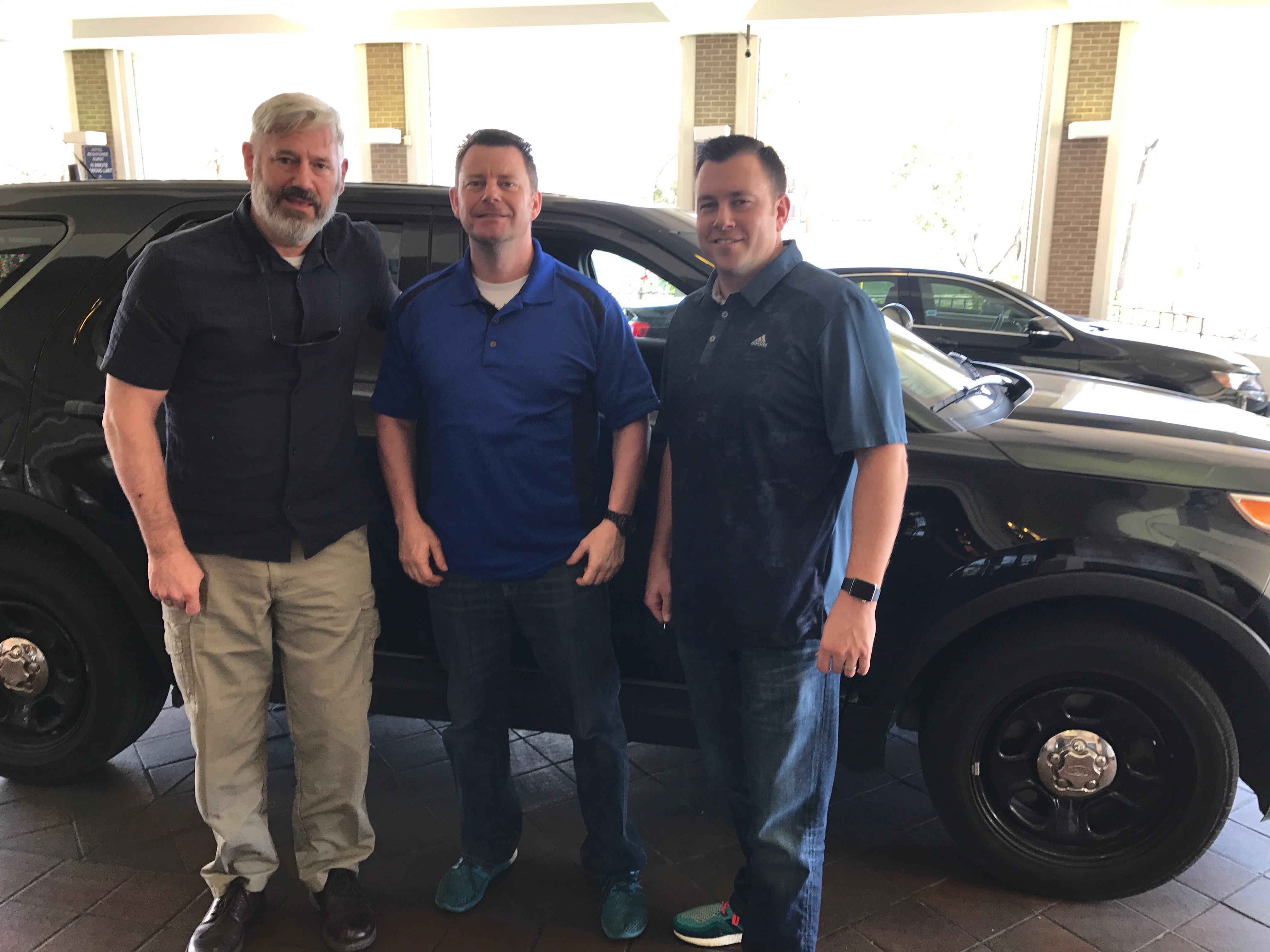
A new documentary featuring the law enforcement CIT model of police-mental health response is being featured as part of the 2019 Boston Independent Film Festival.  This entry won a prestigious award the SXSW in its film debut.  As I retired from police work my interest in law enforcement mental health interactions deepened.  As a result I met these officers in San Antonio was was taken for some days of first hand observation of their work.  The documentary took 2 years to complete and gives the viewer a front row seat in the model from San Antonio PD and Bexar County that works. The film debuts here in Boston at the Somerville Theater in Davis Square on Saturday April 27, 2019.  I strongly urge readers in the area to attend.

In many police agencies the call volume for mental health encounters is at or above 50 percent. That means that every other call for service requires that officers dispatched to the call have an understanding about encounters with citizens experiencing a mental health crisis. Many LEO’s lack training and are uncomfortable with these calls. Importantly, this does not mean that 50 percent of all calls involve mentally-ill citizens but those individuals experiencing some behavioral health emergency – like a job lay-off or impending divorce or financial problems. They are not mentally ill and should not be treated any differently than any other 911 call for service. Police are often called when bad things happen to normal individuals who become emotionally overwrought often made worse by chronic use of alcohol or drugs.

Training for encounters with citizen’s experience a mental illness is part of the early career academy education. Many officers are provided 40 or more hours of crisis intervention training (CIT). In-service programs are being introduced across the country because of the importance of having expertise and understanding in basic de-escalation. Agencies around the country are playing catch up in learning how best to deal with abnormal behavior. Police in Albuquerque, NM are using a monthly supervision model where the department psychiatrist case conferences specific calls and officers learn techniques for de-escalation and process details about how better to respond to future calls.

Crisis intervention training teaches law enforcement officers what to expect and allows them to practice using role playing to see for themselves how to intervene with people in crisis using de-escalation techniques. “Law enforcement officers’ attitudes about the impact of CIT on improving overall safety, accessibility of services, officer skills and techniques, and the preparedness of officers to handle calls involving persons with mental illness are positively associated with officers’ confidence in their abilities or with officers’ perceptions of overall departmental effectiveness. ” Bonfine, 2014. “When a police officer responds to a crisis involving a person with a serious mental illness who is not receiving treatment, the safety of both the person in crisis and the responding officer may be compromised especially when they feel untrained” according to Olivia, J, Morgan, R, Compton, M. (2010).


Bonfine N, Ritter C, Munetz MR. Police officer perceptions of the impact of Crisis Intervention Team (CIT) programs. Int J Law Psychiatry. 2014 Jul-Aug;37(4):341-50. doi: 10.1016/j.ijlp.2014.02.004. Epub 2014 Mar 11.PMID: 24630739

Olivia, J, Morgan, R, Compton, M. (2010) A Practical Overview of De-Escalation Skills in Law Enforcement: Helping Individuals in Crisis. Journal of Police Crisis Negotiations, 10:15–29.
While Reducing Police Liability and Injury

Police officer vulnerability previously ignored, hidden from plain site

What is currently understood as repeated exposure to trauma and its emotional impact was once thought to be a testament to toughness invoking the specter of a wall of silence. Law enforcement and first responder suicide has increased over the past several years and now exceeds the number of LEO’s killed in the line of duty. Why are cops choosing to take their lives? This is especially felt in Chicago where seven officers have taken their own lives in the last 8 months. In more than one case an officer committed suicide in the police vehicle or in the police department parking lot.

My colleague Dr. Leo Polizoti, Police Consulting Psychologist at the Direct Decision Institute, Inc. has been active in law enforcement training, fitness, and prescreening for over 40 years. He served over 30 agencies across New England and provides supportive psychotherapy as needed.

Dr Polizoti and I were recently involved in a symposium on Police Suicide in Chicago sponsored by Daninger Solutions from Daytona Beach, Florida. Among the presenters were Dr Thomas Joiner from the University of Miami, recognized expert in suicide, police sergeant Mark Debona from Orlando, Florida and Dr Daniel Hollar, Chairman in department of Behavior Science at Berthune-Cookman University in Tallahassee, Florida and CEO at Daninger Solutions.

There are many reasons why police officers have an increased levels of depression and stress.  Most are associated with repeated exposure to traumatic events like exposure to dead bodies, violence, childhood injury or death, terrorism, fatal car crashes, and more.  Most officers are able to remain professionally hearty when provided the opportunity to defuse the exposure soon after an incident. Career performance should include reducing officer depression and embitterment by building resilience starting in the academy and lasting throughout an LEO’s career.

The Mind-Body connection is well established and the role of stress in LEO career well-being is becoming a agency focus beginning in the academy.

“Not only must we as negotiators learn to take care of ourselves emotionally and physically – we must also be prepared to intervene with an actively suicidal officer. “

Dave DeMarco FOX News Kansas City

Is it any wonder officers lose hope and resilience.  There are inherent risks that LEO’s assume when they sign on like forced overtime, changing shifts, off-duty court appearances, the chance they may become injured, disabled or killed while serving the community.  There are also systemic stressors like supervisory bullying, professional jealousy, lack of opportunity to have an impact on policy, career stagnation, and paramilitary chain of command that often devalues education and innovation.  Agencies are beginning to track exposure to trauma and its correlated change police officer resilience in real time.

In Worcester, Massachusetts, LEO’s are required to attend defusing sessions following high lethality/high acuity exposure.  These sessions are kept private from members of the command staff and records are saved by the police consulting psychologist. The department has nearly 500 officers who are paid for their participation when they attend. It has been proposed that officers undergo annual “wellness checks” as a routine in some agencies such as KCMO. I have proposed a system of tracking officer call acuity and invoking mandated behavioral health assessment after a specified number of high acuity/high lethality calls for service. This is one way of reducing the stigma that officers face when they are sent for “fitness” evaluation or any sort of behavioral health care. The stigma associated with mental health may be reduced by having specified referrals following identified high profile incidents. Officers may be considered to be getting peak performance training at these defusing sessions as they are designed for enhancing officer awareness and reducing the human stress response.

Now, the KCMO department has mandated yearly wellness exams for officers in certain units like homicide and those dealing with child abuse. This was initiated to decrease the impact of traumatic events on police officer well-being. Officers at KCMO can also get up to six free anonymous visits to a mental health clinician each year, and the department has a peer support team.  Mental health clinicians must have experience working with law enforcement officers for best results.  Training for clinicians should be provided to best work with LEO’s and first responders. This is especially true for officers who self-refer.  Clinical hours should be supervised by the police consulting psychologist.

Cumulative exposure to stress: The stigma of being human

The impact of cumulative emotional reactions and Post traumatic Stress Disorder (PTSD) has significant negative impact on law enforcement heartiness, job satisfaction and career success (Polizoti, 2018). Police agencies across the country are looking for ways to mitigate the impact of accumulated stress associated with exposure to the worst of the worst of all human experience. “Arguably, everything from unattended death, domestic violence, child abuse, and a fatal motor vehicle crash may show up on the call board of any dispatcher on any day or night.” Sefton, 2014. There is no doubt that police officers and first responders are exposed to experiences that are well outside of normal human experience. On top of this requirement many officers do not feel supported by the people they serve and worse, the leadership hierarchy within the agency.

Law enforcement agencies are looking for ways to reduce the human cost of the stress and trauma LEO’s experience on the job but eliminating this all together is likely impossible. This “roller coaster” ride is often why we sign up for the police service where one can have hours of boredom sprinkled with seconds of shear terror and exposure to viral human suffering.

It has been said that LEO’s keep their internal conflict and emotions to themselves always in check and under control. Some fear being perceived as weak and feel intimidated by seeking support for the behavioral health needs resulting from the job. Strength in silence is the archaic mantra lurking behind the blue line and may be the underpinning stigma at work. This stereotype has a significant impact on family relationships, work performance, and career longevity. It has changed in the past decade but very slowly and too many officers are suffering.

Just as we have seen in a subset of the returning member’s of the armed forces, LEO’s are taking their own lives as a result of the accumulation of stressful calls year after year coupled with an erosion of coping skills rendering them vulnerable to becoming hopeless, embittered, and angry. On top of that and perhaps most dangerous is a growing mistrust and perceived lack of respect and support from community leaders, citizens, and sometimes department leaders.

Bias refers to having expectations about a class or subset of people based on unrecognized and unsubstantiated prejudice. Among law enforcement there is a perceived threat of reverse bias associated with having an emotional reaction to the law enforcement experience – at least as far as the front line troops are concerned. There is sometimes an negative attribution associated with being on stress-related leave so many officers who need support do not seek help. Over time this takes a toll on officer well-being. The health risks from years of maladaptive coping to on-the-job calls for service can be insurmountable for some leading to substance abuse, depression, heart disease, and PTSD.

The upwelling of professional disdain toward the police and outright lack of support from the public arising from use of force and incidence of fatal officer involved shootings adds to the LEO “disidentification” with the police service. Once an officer has disidentified with the job he or she is vulnerable to a host of professional challenges associated with becoming at risk for career burn out and embittered.

“Pain is lessened by ceasing to identify with the part of life in which the pain occurs. This withdrawal of psychic investment may be supported by other members of the stereotype-threatened group—even to the point of its becoming a group norm. But not caring can mean not being motivated. And this can have real costs.” according to Steele (1999) who studied achievement in African American college students.

Whether one is speaking about academic achievement or career satisfaction and job performance in the police service “disidentification is a high price to pay for psychic comfort” according to Steele (1999).

The reason for this falls back to deeply held bias toward mental illness that cuts across all segments of society. But it hits particularly hard among law enforcement and first responders. This is especially true when a brother officer is silently suffering.

Elevated mental health distress includes suicidal ideation, anxiety, and depressive symptoms. Some LEO’s preferred to seek help from a chiropractor or physiotherapist rather than a clinician or mental health provider” which reveals the true extent of underlying stigma and bias (Berg et al., 2006).


Polizoti, L. (2018) Career resilience and hardiness. LEO presentation. Worcester, MA.
Steele, Claude (1999) Thin ice: Stereotype threat and black college students. The Atlantic Magazine.

Berg et al. (2006). Fighting Police Trauma: Practical Approaches to Addressing Psychological Needs of Officers

What is driving the killing: Update on the Myth of Mental Illness

After a spate of bomb threats and mass shootings there are still many myths about the attribution of these events and the underpinnings of violence.  The knee jerk reaction is to attribute the recent Thousand Oaks, CA nightclub shooting to a “crazed gunman” but that would unfairly place the blame on the mentally ill.  12 people were left dead in a despicable sequence of events during which the shooter Ian David Long posted that he had no reason for doing it except boredom.  In truth, most people with mental illness are not dangerous, and most dangerous people are not mentally ill.” Liza Gold, 2013. But Long had a history of violence and aggressive behavior that may have been linked to his service as a decorated US Marine. Published information suggests Long’s mother was terrified of making him angry out of fear that he would harm or kill her. Was Long’s terminal behavior attributable to mental illness or the result of traumatic events he experienced in the service of his country?
“Fact is I had no reason to do it, and I just thought….(expletive), life is boring so why not?”  Ian David Long via social media post (now removed)
Psychological experts believe mentally ill persons lack the higher order planning to execute the complex steps necessary for anything more than petty crime – more often associated with co-morbid substance abuse.  It is the co-occuring illness of drug or alcohol addiction that is a confounding variable in all police-mental health encounters.  “Doctors and scientists know that the perpetrators of such violent behavior including incidence mass shooting events are frequently angry young men, who feel they have been mistreated by society and therefore seek to exact revenge” described in a BBC the report Criminal Myths published in November.
psychology2
“Confounding variables such as a history of childhood abuse or use of alcohol or drugs can increase the odds of violence.” according to a BBC report debunking the belief that people who commit mass murder are mentally ill  by Rachel Newer in November, 2018.  The vast majority of cases are committed by a person or persons without mental illness.  In fact, people with mental illness are more likely to be victims of crime and are not prone to violent behavior. The Thousand Oaks killer refused any mental health support and was not driven by demons
The interaction of substance abuse and mental illness is complex.  Persons with drug and alcohol addiction must be expected to become sober with the help of substance abuse treatment and family support. The risk of violence and suicide declines when sobriety can be maintained.  This is essential and will help to reduce officer involved use of force against the mentally ill substantially.  What to do?

Red flag indicators are often demonstrated in behaviors that are observable and measurable sometimes for weeks and months before the terminal event according to Michael Sefton, 2015.

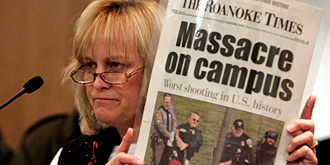
The incidence of mental illness leading to mass shooting may be illustrated in the 2007 Virginia Tech shootings.  The Virginia Tech shooter Seung-Hui Cho had been treated for depression and was hospitalized on an involuntary basis prior to the rampage in 2007. Cho exhibited a life-long pattern of withdrawal from interpersonal relationships. He was often nonverbal and did not respond to people who reached out to him including direct family members.  His mother prayed for God to transform her son.

I strongly believe that mental illness does not mitigate citizens from responsibility for crimes they commit. I agree that alternative sentencing may be a powerful tool to bring these individuals into treatment. The substantive goal of streamlining encounters between police officers and citizens who suffer with untreated emotional problems belies the mission of these gifted officers and can teach others the role of discretion in mental health encounters.

Ostensibly, building relationships with network psychotherapists, physicians, addiction specialists, court judges, and other support service like Child and Family Services is essential. This is the area of most vulnerability.  When LEO’s fully buy-in to the mental health – police intervention model including the use of de-escalation techniques there must be receiving facilities available to initiate treatment and keep patients and citizens safe. The development of a fully integrated infrastructure for jail diversion, intake, and providing for the needs of the mentally ill is certainly a work in progress.

grimes_audio_img.jpg
Washington POST photo

“And when it comes to mass shootings, those with mental illness account for “less than 1 % of all yearly gun-related homicides” a 2016 study found. Other studies indicate that people with mental disorders account for just 3-5 % of overall violence in the US”  – Paul Appelbaum, M.D. taken from BBC by Rachel Newer 11-1-2018


Nuwer, Rachel (2018) http://www.bbc.com/future/story/20180509-is-there-a-link-between-mass-shooting-and-mental-illness taken 11-10-2018
Sefton, M. (2017) https://wordpress.com/post/msefton.wordpress.com/4561
Mentally ill American’s and their proclivity to act out against authority.
Washington Post (2007) Rescue and Recovery: A story of resilience that began with the scene in this photograph, Blog post: taken on April 16, 2007. https://www.washingtonpost.com/graphics/local/virginia-tech-five-years-later/?noredirect=on&utm_term=.cd170ba2ac09 taken 11-10-2018
Sefton, M (2017) Police as crisis interventionist: CIT as it is meant to be. Blog post: https://wordpress.com/post/msefton.wordpress.com/3653 Taken 11-10-2018
Sefton, M. (2015) Unappreciated Rage: The Dissembling Impact of those living in the Margins. Blog post: https://msefton.wordpress.com/2015/08/27/unappreciated-rage-the-dissembling-impact-of-those-living-in-the-margins/ Taken 11-10-2018

Police Training: Revisiting Resilience

What is resilience in police work?  Emotional resilience is defined as the the capacity to integrate the breadth of police training and experience with healthy, adaptive coping, optimism, mental flexibility and healthy resolution of the traumatic events. In general, resilient people are self-reliant and have positive role models from whom they have learned to handle the stressful events all police officers encounter.  In the best of circumstances officers are encouraged to share stressful events and debrief with peer supports that are a regular component of the police service.  Unfortunately, in spite of the availability of peer support many officers are hesitant to utilize and call upon their peers to help with difficult even traumatic calls like suicide and severe child or elder abuse.  One reason for this is a culture of internalizing stress until it whittles away career satisfaction and job performance.  The underpinning of police officer burn-out is the collapse of resilience and onset of maladaptive coping.
How many mid-career officers have reduced productivity and elevated stress that leads to increased use of alcohol, drugs, gambling, abuse of sick leave, and job-related injuries?  According to Leo Polizoti, Ph.D. resilience refers to professional hardiness that is protective against such career burnout and raises both professionalism and job satisfaction. Many believe that hardiness and resilience can be built and polished as the officer grows into his career.
Police training tends to be repetitive and often boring.  Officers train to attain a level of automaticity so that when field encounters become threatening they are quick to utilize tactical behavior in the use of force continuum.  Sadly, police departments everywhere have trained in the active shooter protocol so that when the call goes out every officer knows exactly what is expected of him or her.  By doing so the motor programs and cognitive maps coalesce into a tactical advantage for law enforcement.  Training also helps to reduce autonomic arousal and helps regulate internal levels of stress so that officers can function at optimal levels when needed most.
Just as it is difficult to identify mental illness in a civilian population until the person is off the rails, so too is it difficult to pinpoint a law enforcement officer who is struggling with the long-term effects of the high stress calls police answer on a daily basis. “Stress and grief are problems that are not easily detected or easily resolved. Severe depression, heart attacks, and the high rates of divorce, addiction, and suicide in the fire and EMS services proves this” according to Peggy Rainone who provides seminars in grief and surviving in EMS (Sefton, 2013).
High levels of stress are known to slowly erode emotional coping skill leaving a psychologically vulnerable person at higher risk of acting out in many ways including with violence.  The 2013 case of domestic violence homicide in Arlington, Massachusetts raises the specter of domestic violence homicide in police and first responders. In this case, a decorated paramedic allegedly killed his twin children, his wife and then himself. Outwardly, he and his family seemed happy. What might trigger such an emotional breakdown and deadly maelstrom?
“Although resilience — the ability to cope during and recover from stressful situations — is a common term, used in many contexts, we found that no research had been done to scientifically understand what resilience is among police. Police officers have a unique role among first responders. They face repeated stress, work in unpredictable and time-sensitive situations, and must act according to the specific departmental policies. ” Andersen et al. 2017
The career success they have may be directly related to the application of resiliency training to build and maintain physical and emotional hardiness that lasts a lifetime according to Leo Polizoti, 2018. Before this can happen the stigma associated with reaching out must be reduced.
Reduced stigma will afford officers the chance to express themselves, lower stress and tension, and seek peer or professional help when situations evoke or release the ghosts of cases past – often the underpinning of PTSD. This openness has not yet found its way into the law enforcement culture and while physical fitness has taken hold for career satisfaction – mindfulness has not become fully embraced.
REFERENCES
Andersen et al. (2017) Performing under stress: Evidence-based training for police resilience
Royal Canadian Mounted Police, Gazette Magazine Vol. 79 No 1.
Polizoti, L. (2017) Psychological Resilience: From Surviving to Thriving in a Law Enforcement Career. Presentation. Direct Decision Institute, Worcester, MA
Polizotti, LF (2018) Psychological Resilience : From surviving to thriving in a law enforcement career. Personal Correspondence. Taken 4-21-2018

Rainone, P. (2013) Emergency workers at risk. (website) http://www.emsvilliage.com/articles/article.cfm?ID=176. Taken 12-1-2013

From anonymity and stigma grows resilience

Today there is still a great deal of stigma associated with reaching out for peer support within police departments. Officers’ fear being misunderstood and seen as weak if they acknowledge their vulnerability years into the job. The blue line bleeds each time an officer takes his or her own life yet the silence within the ranks is stunning. An officer may act heroically in their efforts to save a child who isn’t breathing and fail.  An officer may be first-in to a call for domestic violence homicide and fail.  An officer may be dispatched to a horrific motor vehicle crash and come upon an overturned minivan with a shamble of entrapped human misery and death and still feel a failing.  These events create a chink in the armor and sometimes reveal gaping personal anguish that accumulates over time. The cumulative impact of trauma adds to the layers that belie the outward calm.  As a former police officer there are calls I covered that are painful to this day. Abject failure. Exposure to subclinical, traumatic events takes a toll of both physical health and emotional wellness and can lead to PTSD, secondary traumatic stress disorder, and burn out.
Prevention of law enforcement suicide is paramount.  As recently as early November, 2018 a former police chief died by police assisted suicide killed by his former officers after charging them with a kitchen knife.  And in Baltimore County, MD, School Resource Officer Joseph Comegna, a 21-year veteran of the force, took his own life at his desk in the public school.  “And unlike line-of-duty incidents, which tend to receive a great deal of media coverage, law enforcement suicides rarely get much press, says Al Hernandez, a 35-year veteran of the Fresno Police Department (FPD) in California. Hernandez helps connect officers to mental health care.” according to Jack Crosbie writing in Men’s Health about a suicide death of an NYPD officer who died in early 2018.
The impact of stress on the lives of LEO’s is well known and can have pervasive impact on officer well-being both in and out of uniform.  Hypertension, cardiovascular disease, substance abuse, and depression are just a few of the behavioral health consequences that may result from repeated exposure. Ongoing vulnerability to traumatic events can result in anger, resentment, strong negative emotions, and reactive embitterment that can erode job satisfaction and job performance (Sadulski, 2017). Critical Incidence Stress Debriefing plays an important role for police by helping LEO’s manage their trauma and post-traumatic stress. It should be provided as part of an integrated system of peer support. Most departments have officers trained in CISD whom provide peer support to brother and sister LEO’s who are in crisis. Key among these relationships is the hand-off to mental health professionals when indicated. Peer support is not treatment and the relationship between the peer support and psychological treatment should be clearly defined.
Each of us in law enforcement has a duty to reduce suicide among the men and women in blue whenever possible. This requires a substantive understanding of the risk factors associated with LEO self-destruction. Chief among law enforcement is the camaraderie that bonds officers together during times of stress. Peer support is a key factor in reduced emotional suffering among law enforcement officers. 
Risk factors for suicide increase when the conventional need for belongingness among law enforcement officers which is thwarted by the estrangement or isolation.  This comes with individual officer discipline, e.g. suspension, or some other factor pushing him/her out that can be isolating and evoke feelings of thwarted belongingness according to Thomas Joiner (2009). Social alienation is a powerful emotional dynamic that results from the experience of being estranged from a core group of supportive friends, colleagues, and immediate family. This occurs in many ways including change in social reciprocity and reduced exposure to primary interpersonal ties resulting in powerful feelings of loss and growing belief of being a burden. This may be the result of disciplinary actions toward the officer, on-the-job injury, or departmental requisite following officer-involved use of force. 
Embitterment has large implication on LEO productivity, career satisfaction, job performance, citizen complaints, and officer health. It grows slowly as a function of career experience perceived support, and critical incident debriefing and peer support are vital to officer longevity.  Mentoring in the field and supervisory support reduce officer isolation and sometimes powerful feelings of negativity that can fester over time according to Polizoti, 2018.  Ostensibly, resilience is the opposite of embitterment. Have you ever worked with someone who rolled with the punches – literally and figuratively?  They can have felony cases dismissed in court and remain nonplussed maintaining a positive attitude and a “better luck next time” belief system.  
Lethal Self-Injury – Acquired Ability
The final risk factor involves a gradual desensitization to pain and human suffering according to Joiner (2009). Over time, exposure to repeated violence, homicide, intimate partner violence, and other “salient fearsome experiences”, the self-preservation instinct gradually disintegrates into a residual fearlessness in the face of life threatening danger and an acquired capacity to ignore the horror and humility of violence with a higher tolerance of pain and substantive capacity for suicide (Joiner, 2007).
Joiner believes that the capacity for suicide is acquired over time from the repeated exposure to trauma such that the reaction to horrific traumatic events, e.g. domestic homicide, loses the ability to evoke a normal emotional response and habituates to a decreased emotional reactivity, a higher tolerance for pain, and a fearlessness in the face of death. Given this proclivity toward feeling “numb” in the face of high levels of violence, over time researchers look for protective factors such as reducing isolation and more frequent debriefing after every critical incident rather than wait until LEO coping goes the way of attachment and perceived support. 

References
Sadulski, J. (2017). Promoting Police Resilience through Peer Support. Law Enforcement. Blog post taken November 20, 2018
Joiner, T. (2009). The Interpersonal-Psychological Theory of Suicidal Behavior: Current Empirical Status. Science Briefs, APA, June.
Polizoti, L. (2018) Critical incident resilience training. Personal correspondence, September.


Resilence and management of high stress situations

 The likelihood of becoming involved in an on-the-job shooting in one’s career is generally quite low across law enforcement officers in the US and Canada. However, there is a high degree of likelihood of almost daily encounters with high stress calls involving intimate partner violence, substance abuse, children at risk, unbearable human suffering and death.  I recall being involved in a search for a middle age male who did not return home after a night of drinking.  His route typically brought him across an abandoned rail road bridge.  As you might guess he did not make it across the bridge on that cold night instead falling off and drowning. He was found partially submerged and caught on some tree branches visible only by his L.L. Bean jacket which he had bought for those cold walks back from the neighborhood watering hole.  He was known to most of the police officers – two of whom were charged with going out into the river and retrieving his remains.  The body had been in the water about 48 hours.  It was not something I had seen before. I stood by for the retrieval and was involved in the notification.  My first of many.
These kinds of calls stay with you.  Especially early in one’s career.  The response of the family to losing their 50-year old father was especially difficult as he had young children from his second wife.  But I know officers and EMS first responders who have had one
images 2
Boston Police Officers react to Marathon bombing  ABC TV – photo credit
experience after another just like this and worse. A colleague described rolling up a driveway to an open garage and bearing witness to the home owner hanging from a ceiling joist. Suicide. Imagine the psychic imprinting officers experienced responding to recent mass shootings in Las Vegas or to a small church in rural Texas where so many people are killed or maimed and to be unable to stop the bad guy before it all happened. It happens every day it seems.
Here in Boston, 3 people were killed over 300 people were badly injured after two homemade bombs were set off during the Boston Marathon setting the stage for a complete shutdown of the city while area police officers searched for the suspects.  MIT University Police Officer Sean Collier was killed by the bombers while seated in his patrol vehicle on duty 3 days after the bombing.  Within hours a firefight ensued in Watertown, MA as the bombers were found in a hijacked SUV.  The brave officers from Watertown, MA, Boston Police, MBTA Transit Police, and Harvard University PD fought it out for 8 minutes with Dzhokhar Tsarnaev and his brother Tamerlan who was killed in the gun battle and run over by his brother. MBTA officer Richard Donohue was shot during the gunfight nearly losing his life. After a year of rehabilitation he returned to duty and was promoted to sergeant but ultimately could not recover from his wounds and retired in the line of duty. It took extra days and over 1000 police officers to locate the second bomber cowering in the covered boat of a Watertown resident. His image was published in the Boston Herald depicted with the snipers red dot on his forehead.  Citizens applauded law enforcement as they left Watertown on that night.
To survive these incidents one needs to have resilience also known as the psychological resources to process the experience with all of its ugliness and to know that you did what was needed with the training and experience you bring to the job every day.
By using alcohol to cope instead of resilient thinking one often develops other problems and this can lead ultimately to suicide. Alcohol is often related to suicidal behavior.” according to Leo Polizoti, Ph.D at the Direct Decision Institute in Massachusetts.  
After a stressful event, your body and mind must return to its baseline calm and ready state so that the officer may again activate and serve in whatever capacity is required without the baggage of the calls gone by.  As this “baggage” builds unfettered the likelihood of a decline in officer job performance grows sometimes exponentially.  There should be opportunity and on-going training to process the images in order to put them away and restore emotional equilibrium.  In some department realistic training includes use of simuntions where officers actually shoot their weapons at active shooters during training exercises.  The weapons are full sized handguns fitted with special projectiles that do not cause lethal injuries.  All training is conducted with head and face protection.  Many departments are building resilience training into their recruit academies – no only building physical strength but emotional wellness too.  “Current training teaches officers about biological awareness (bio-awareness) since psychological and physical reactions in the body arise from biological responses to the environment. Mental and physical states don’t happen independently and both must be addressed in reality-based training” Anderson, et. al., 2017.
“When a person encounters a threatening situation, they experience a surge of natural chemicals, such as adrenaline and cortisol. These chemicals allow the body to respond quickly. When this biological threat response is moderate, it enhances performance through more accurate vision, hearing, motor control, and response time. However, when the threat response is severe, the response can negatively affect performance by creating distortions in thinking, vision and hearing, and by increasing motor control problems, which can result in slower reaction times.” Anderson, et. al., 2017
Police in Massachusetts and throughout America are faced with the worst of all human experience.  Arguably, everything from unattended death, domestic violence, child abuse, and a fatal motor vehicle crash may show up on the call board of any dispatcher on any day or night as I posted in May, 2015. In the case of traumatic events – officer safety demands CISD and in the long run physical health and well-being are the underpinnings of a resilient professional who will be there over and again –  when called upon for those once in a lifetime calls that most of us will never have to answer (Sefton, 2015). “Psychological benefits include reducing distress, enhancing confidence in abilities and recognizing psychological responses that need the attention of a mental health professional” Anderson, et. al., 2017.  When necessary police officers undergo critical incident debriefing and peer support. Some benefit has been demonstrated using biofeedback to reduce the trending autonomic arousal through a paced breathing protocol to ameliorate the sympathetic-parasympathetic mismatch that has well described negative impact on physical health, emotional embitterment, and job satisfaction (Sefton, 2017).
“The primary goal of all modalities of biofeedback including physiologic modalities and neurofeedback is to restore the body to its “normal” state of homeostasis.  The process promotes mindfulness and paced breathing to gradually lower respiratory drive, reduce heart rate and blood pressure, and enhance other abnormal physiological readings such as skin conductance, abnormal finger temperature, and elevated electromyography.  It takes practice and understanding of its value.” Sefton Blog post 2017
Ultimately law enforcement and all first responders must be afforded support along with training to adapt to situations most human beings would never choose to confront and do so in a manner that instills personal dignity,  integrity, and continued professionalism.

Polizoti, L. (2017) Psychological Resilience: From Surviving to Thriving in a Law
Enforcement Career. Direct Decision Institute presentation.
Judith Andersen, Ph.D., Harri Gustafsberg, M.A., Peter Collins, M.D., Senior Cst. Steve Poplawski, Bsc., Emma King, M.A., Performing under stress: Evidence-based training for police resilience. RCMP Gazette Magazine Vol. 79, No. 1.
Sefton, M. (2015) Critical Incident Debriefing: The cumulative effects of stress. Blog post: https://msefton.wordpress.com/topics/dv-and-trauma/police-service/critical-incident-debriefing-the-cumulative-effects-of-stress/ Taken 12-30-17.
Sefton, M (2017) Biofeedback: Teaching the body to return to a proper homeostasis. Blog post: concussionmanagement.wordpress.com https://wordpress.com/post/concussionassessment.wordpress.com/3682, taken 12-30-2017

Officer resilience and career success with less burnout

Mike Sefton photo
Michael Sefton, Ph.D. in Guangzhou, China

WESTBOROUGH, MA December 9, 2017 Resilience in police training is an added lesson designed to enhance the careers of officers-in-training. According to Leo Polizotti, Ph.D. resilience refers to professional hardiness that is protective against career burnout and raises both professionalism and job satisfaction.

It is essential to help individual officers through the tough times and enhances job satisfaction.  In the case of traumatic events – officer resilience is essential for a healthy response to a critical incident.  In the long run, physical health and well-being are the underpinnings of an emotionally resilient professional who will be there over and again – when called upon for those once in a lifetime calls that most of us will never have to answer.

Emotional resilience is defined as the the capacity to integrate the breadth of police training and experience with healthy, adaptive coping, optimism, mental flexibility and healthy resolution of the traumatic events. In general, resilient people are self-reliant and have positive role models from whom they have learned to handle the stressful events all police officers encounter. In its absence a police officer experiences irritability, brooding, anger and sometimes resentment toward his own agency and “the system” for all its failures.  The lack of emotional resilience leads to officer burn-out.

“Your biggest risk of burnout is the near constant exposure to the “flight or fight response” inherent to the job (running code, engaging and managing the agitated, angry, and irrational, or any other of your responsibilities that can cause you to become hypervigilant). Add the very real tension of the politics and stresses inside the office and a dangerous mix is formed. The pressures and demands of your job can take a toll on your emotional wellbeing and quality of life and burnout will often follow.” Olsen & Wasilewski, 2014

It is well documented that flooding the body with stress hormones like adrenaline and cortisol play a role in police officer health and well-being. “Stress and grief are problems that are not easily detected or easily resolved. Severe depression, heart attacks, and the high rates of divorce, addiction, and suicide in the fire and EMS services proves this” according to Peggy Rainone who provides seminars in grief and surviving in EMS. (Sefton, 2013). There are various treatments for stress-related burnout including peer support, biofeedback for reduced sympathetic dysfunction, and professional psychotherapy. “Being exposed to repetitive stress leads to changes in the brain chemistry and density that affect emotional and physical health.” (Olsen, 2014)  Improved training and early career support and resilience is essential for long term health of first responders including the brave men and women in blue.


Polizotti, L. (2017) Psychological Resilience: From Surviving to Thriving in a Law
Enforcement Career. Presentation. Direct Decision Institute

Olsen, A and Wasilewski, M. Police One.com (2014) Blog post: https://www.policeone.com/health-fitness/articles/7119431-6-ways-to-beat-burnout-in-a-police-officer/ Taken December 9, 2017

Rainone, P. (2013) Emergency workers at risk. (website) http://www.emsvilliage.com/articles/article.cfm?ID=176. Taken 12-1-2013

Sefton, M. Domestic Violence Homicide: What role does exposure to trauma play in terminal rage? Blog Post: https://wordpress.com/post/msefton.wordpress.com/505 Taken December 9, 2017.

Police response to Domestic Violence

Police officers are regarded as the front line first responders to family conflict and domestic violence.  For better or worse, the police have an opportunity to effect change whenever they enter into the domestic foray – whether an arrest is made or not.  This affords them a window into the chaos within the effected family system and the opportunity to bring calm to crisis.  In many cases, the correct response to intimate partner violence should include aftermath intervention when the dust has settled from the crisis that brought police to this threshold. At these times the communication between family and police may be operationalized, improved and redefined.  When this is done it establishes a baseline of trust, empathy, and resilience.

Discretion, Treatment and Alternatives to Jail

WESTBOROUGH, MA July 16, 2017 In last weeks publication I introduced the problem of mental health and co-occurring substance abuse with some ideas about alternative restitution and treatment. These involve greater discretionary awareness among police officers.  More importantly options to jail require viable alternatives that will end the revolving door of minor criminality coupled with treatment for the breadth of addiction seen on a daily basis by law enforcement.

Mental and Physical Health Screening

At time of arrest the individual must have some level of mental health assessment if mental illness is suspected or documented. When I was a police officer prior to 2015 we often asked the D.A. to provide a court clinic assessment of the suspect to rule out suicidal ideation or delusional thinking. This must also include a screening for dangerousness especially when a subject is arrested for intimate partner abuse. Next a health history questionnaire should be undertaken to screen for co-occurring illness – both physical and mental. If a diabetic suspect is held without access to his insulin he is at great risk of death from stroke. Similarly, a person arrested for assault who suffers from paranoid ideation is at greater risk of acting violently without access to psychiatric medication. Finally, an alcoholic brought to the jail with a blood alcohol level greater than 250 is at great risk for seizures and cardiac arrhythmias when delirium tremens begin 6-8 hours after his last drink. The risk to personal health in each of the scenarios above must be taken seriously and the obtained data should be factually corroborated. Police departments across the United States are pairing up with private agencies to provide in-house evaluation and follow-up of individuals who fall on the borderline and may not be easily discerned by the officer in the field.

Diversion Safety Plan

Next, the probation and parole department must obtain an accurate legal history prior to consideration for bail. A nationwide screen for warrants and criminal history based on previous addresses is essential. In many places these are being done routinely. In the case of someone being arrested for domestic violence he may have no convictions thus no finding of criminal history. For these individuals the dangerousness assessment may bring forth red flag data needed for greater public safety resulting in protection from abuse orders, mandated psychotherapy, and in some cases, no bail confinement when indicated. Releasing the person arrested for domestic violence without a viable safety plan increases the risk to the victim and her family, as well as the general public – including members of law enforcement.

Bail, Confinement, Mandated Treatment

There is some thinking that higher amounts of bail may lessen the proclivity of some offenders to breach the orders of protection drafted to protect victims and should result in revocation of bail and immediate incarceration when these occur. I have proposed a mandatory DV Abuse Registry that may be accessed by law enforcement to uncover the secret past of men who would control and abuse their intimate partners. This database would also include information on the number of active restraining orders and the expected offender’s response to the “stay away” order. In cases where the victim decides to drop charges there should be a mandatory waiting period of 90 days. During this waiting period the couple may cohabitate but the perpetrator must be attending a weekly program of restorative justice therapy and substance abuse education. Violations of these court ordered services are tantamount to violation of the original protection order (still in place) and victim safety plan and may result in revocation of bail. If the waiting period passes and the perpetrator has met the conditions of his bail than he may undergo an “exit” interview to determine whether or not the protection order / jail diversion plan may be extended.

Guardianship

In many jurisdictions the mentally ill cannot be forced to take medication nor can they be forced into treatment. Adherents to this belief advocate on the behalf of the chronically mentally ill for the right to make these individual choices – treatment or no treatment. Ostensibly advocates seem unconcerned for the public health risks associated with ongoing drug addiction and major mental illness. There needs to be an active system in place to provide guardianship to individuals with repeated failed treatment that mandates treatment for those who cannot remain in a program of sobriety and psychotherapy in lieu of incarceration. In many cases a family member may be appointed temporary guardian for up to 180 days that allows decisions to be made about patient care up to the guardian not the patient himself who may be unable to stay on track.