Stress awareness remains a key denominator for law enforcement for managing its malignant power to impair

WESTBOROUGH, MA September 23, 2023 – Police agencies across the country are looking for ways to mitigate the impact of accumulated stress associated with exposure to the worst of the worst of all human experience. These events happen everywhere and are unpredictable. “Arguably, everything from unattended death, domestic violence, child abuse, and a fatal motor vehicle crash can show up on the call board of any dispatcher on any day or night” according to Sefton, 2015. Career longevity and hardiness is essential for good law enforcement. There is a lot of training going on across the country emphasizing the importance of lowering stigma and bias against people with mental illness. Police officers and social workers are now found together in cars where mental illness is a suspected underpinning. The idea in not new and is known as jail diversion. For those with active mental illness diverting the citizen to behavioral healthcare is a better alternative than delivering them to the county holding facility. Programs for jail diversion are gradually making their way into small and medium sized departments across the country thanks to grants and political best practices. Gradually, the law enforcement field has had to look at itself and accept that when an officer is exposed to traumatic events over and over during his or her career, then we can expect that there will be an emotional response of some kind. That is a fact and impacts career longevity including physical and mental wellness.

Police officers are often hard charging men and women – especially right out of the academy and field training. They quickly go all in and no one wants to be seen as weak or unreliable. The field training is also being modified to allow officers to experience normal reactions to these early exposures. Things that can lead to stress and decreased efficiency as life circumstances change. Situations like marriage, children, buying a house, childcare, financial angst, you name it. Add to that mid-career professional jealousy and cynicism, career embitterment, resentment, staying current with court cases, mandatory overtime, holidays, and life becomes pretty hectic pretty quick. High stress situations require considerable time for all people to process. In law enforcement, time is something that is often a luxury. “Downtime is important for our health and our body, but also for our minds,” says Elissa Epel, M.D., a professor in the psychiatry department at the School of Medicine at the University of California at San Francisco. Some say that humans need 24 hours to process a high stress experience and return to normal balance.

“I have several posts that have brought up the human stress response going back to 2015 but there is plentiful research dating back 50 years or more on the human stress response and autonomic dysregulation. I believe strongly that unregulated sympathetic arousal can lead to a decline in physical well-being as the literature guides. The human cost of stress has been well studied and the effects of stress are a well-known cause of cardiovascular illness including heart attack and stroke and others.  It is now known that the brain plays a big role in all of this.”

Stress is a cumulative response to exposure to threatening, fearful, or chaotic scenes. It is especially important that cops are able to quickly assess violent scenes to provide best and most timely action. Active shooter protocols require that teams of officers are not distracted in their search for the shooter sometimes stepping over victims along the way. It can become very difficult unless they are disciplined. “Officers are trained to be vigilant and alert. The job demands it. But these expectations, mixed with chronic exposure to stress can make officers hypervigilant and hyperalert even during moments of calm. The stress of police officers doesn’t suddenly disappear when a shift ends” as reported in Powerline on Law Enforcement, published in August 2023. Whenever I have participated in an after-incident review or formal defusing/debriefing, I rarely have an officer raise his or her hand when asked “did any of you experience significant stress during this call?” That is to be expected to some degree. But honest reporting on call-related stressors like an officer involved shooting, fatal car crash, sudden cardiac event in another officer, or domestic violence homicide should leave any one of us in an elevated state of stress. This comes from the brains response to fear producing events that all human beings experience and takes as long as 24 hours to return to normal. Some say police officers can be taught to reduce the effects of high stress call to 60 minutes. The problem with that is that many agencies with high call volume do not have the manpower to allow one of more officers to sit on the sideline as their stress response slowly trends down to normal. Men and women in law enforcement are vulnerable to chronic stress and many do nothing to mitigate this vulnerability.

For career hardiness it is essential that law enforcement officers manage their stress. This means regular exercise, a healthy diet, and stress awareness and mindful lowering the body’s elevated fight-flight response. Especially after exposure to the gut-wrenching calls that regularly come across the police scanner. Well-established research has shown that low-level daily stress can create such intense wear and tear on our body’s physiological systems that we see accelerated aging in our cells, says Elissa Epel, M.D. who co-wrote the book “The Telomere Effect.” Epel added: “Mindfulness-based interventions can slow biological aging by interrupting chronic stress, giving us freedom to deal with demanding situations without the wear and tear — and giving our bodies a break” as described in the Washington Post article authored by Jamie Serrano on June 29, 2024. In my experience, the techniques of mindfulness have an appreciable impact on lowering self-regulation described in most literature. The drawback is a lack of carryover and minimal positive practice. It is not for everybody but it can be one part of a comprehensive goal of self-care and emotional resilience needed for long-term career success. The importance of this practice cannot be overstated when cops frequently jump from one call to the next. I offer individual biofeedback sesssions to lower the body’s sympathetic activation that often ramp up at times of threat. For many in law enforcement, the experience of being under threat never goes away. This can hurt.

In the Spring of 2024, I was involved in a Zoom presentation on the important ways to unpack stress and its cumulative impact on physical and mental health offered by Whittier Rehabilitation Hospital in Westborough, MA. Like everything in the new year, innovative ideas and habits are hard to stick with. But building discipline is easier when one becomes committed to educated on what stress can do to our bodies and committed to using our skills to limit the daily accumulation of adrenaline and cortisol and recognizing the signs of an abnormal stress response. Things like poor sleep, irritability, excessive use of alcohol or drugs, forgetfulness, overeating, lack of exercise, isolation, etc. We all do these things at times, we are human. But when you find yourself going off the rails, and are not taking proper care of yourself, it may be a sign of a growing stress response that may lead to depression, anxiety, and a host of physical conditions like hypertension, heart disease, stroke, autoimmune disorders, obesity, and diabetes. A balance of work and personal life should be part of any stress lowering plan. It becomes especially important to pull yourself back into your routine. Things like exercise, nutrition, mindfulness lowering alcohol intake, regular sleep, and maintaining family and social connections become key tasks to help you feel better and lower shame and guilt.

“If we perceive our available resources to be insufficient, along comes the ‘threat’ mindset. When threatened, stress has a catastrophic effect on our ability to perform. We receive an enormous sympathetic surge (adrenaline/noradrenaline dump), and our HPA axis pumps out cortisol. High cortisol levels have a very detrimental effect on higher cognitive processes – decision-making and prioritization” as described in a blog written by Robert Lloyd, MD.

I conduct pre-employment psychological screening here in Massachusetts. Men and women entering the field today are smart and well-educated. Academy curricula integrate behavioral health and officer well-being more than ever teaching students to utilize stress response strategies to lower the threat response sometimes aberrant in acute stress reactions. Agencies like the RCMP and the Finnish Elite Police service are using paced breathing techniques to quickly reduce the effects of high adrenaline that is a hindrance to physical and cognitive functioning. These techniques are easily taught and when learned, need little to no technology or equipment to implement.

According to Leo Polizoti, Ph.D., the primary author of the Police Chief’s Guide to Mental Illness and Mental Health Emergencies, and colleague, stress can lead to a breakdown in adaptive coping. “Learned resilience can be taught and leads to reduced stress and psychological hardiness rather than psychological weariness and burnout. Psychological weariness is a drain on coping skill and regular adaptation to job-related stress needed for efficiency for handling the everyday calls for service. Resilience and career satisfaction are important components of law enforcement and individual officer training, on-duty behavior, and career longevity. Positive resilience will reduce officer burnout, misconduct, and reduce civilian complaints against officers.

Some law enforcement officer deaths may be reduced by using a stress intervention continuum as a way to get out ahead of the buildup of stress. This program ties the range of calls into a stress reduction protocol that empowers resilience and recognizes the importance of stress mentoring and the soft hand-off for defusing the growing impact of high stress and high lethality exposure. If 10 cars are sent to a fatal automobile accident with entrapment, then these officers would be expected to participate in an after-action defusing of the incident. Those 10 units would also be coded with a level 1 call – highest level of acuity. This is easy technology and cars are often dispatched to level 1, 2, or 3 depending upon the severity of the call. It becomes an end-of-the-year task to see which officers have accumulated the highest number of Level 1 high acuity calls. Level 1 is highest priority and puts the officer at highest risk for exposure to traumatic stress and its debilitating impact.

The stress intervention continuum does not single out one officer but identifies all officers – including call takers, dispatchers, and supervisors for defusing particularly abhorrent events like mass shootings, domestic violence homicide, or fatal car crashes. This way, personnel who played a roll in a “bad call” will not be overlooked nor stigmatized for stress reduction defusing and/or debriefing. Chief Paul Saucier who is the interim chief of police in Worcester MA requires that officers attend a post incident defusing after major events with high lethality or particularly lurid stressors. Worcester PD is an agency with over 400 officers and may participate in this program. More agencies are beginning to utilize some form of online screening that officers may complete on an annual basis that measures perceived stress over the previous month. Chief Saucier and I have discussed options for on-line assessment and annual reviews. I have looked at the Perceived Stress Scale – PSS-10 for implementation.
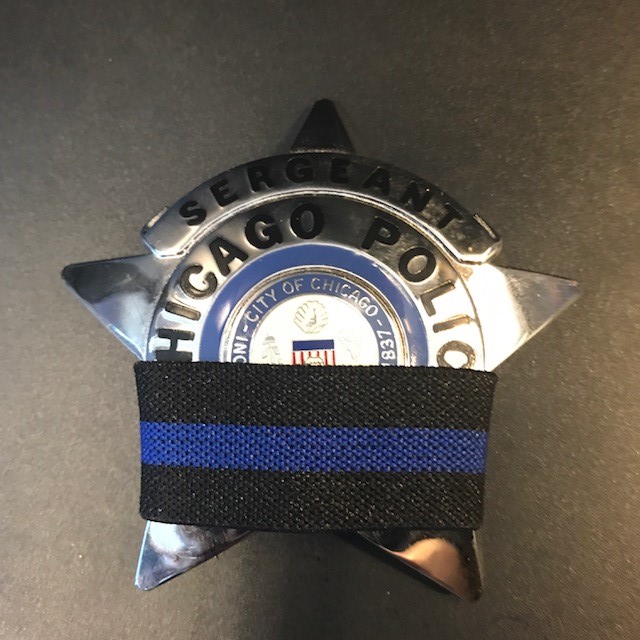
LODD – Unsustainable pain in the thin blue line

I recently read an article in the Washington Post first published in 2018 written by Michael Miller. I sent him a note suggesting he pick up the ball on this. I am interested in the topic of police behavioral health and understand the dynamic of law enforcement suicide and how the notion remains stuck in modern police service due to stigma with suicide and mental health wellness in police officers.  I am a former police officer and know there is nothing more horrific than a police officer suicide or death to a member. In Chicago officers have taken their own lives while in the driveway of their duty station. In Los Angeles, four active duty or retired officers committed suicide in one weekend in November 2023. In Washington DC, an officer who was ordered back to work following the attack on the Capitol killed himself while driving to his work. People are starting to connect years of service with risk for suicide and many departments are taking police officer wellness as the key to both career hardiness and job performance. One officer granted LODD status remains in conflict. Erin Smith wants her husband’s name added to the D.C. police department’s list of fallen officers and engraved on the National Law Enforcement Officers Memorial, and the official burial honors traditionally afforded to officers killed in the line of duty according to a Washington Post opinion piece from .

I was part of a panel about police suicide in Chicago in 2019.  The dark problem is especially taboo when cops are involved in a line of duty shooting and later kill themselves.  The Chicago program was held following a rash of suicide deaths in the Chicago PD. Most officers do not return to the job following the investigation of their actions. Some do. Those who do return are off the job within five years. I am a police consulting psychologist in the Boston area.  I am charged with pre-employment screening and fitness for duty exams after law enforcement exposure to trauma.  More needs to be done to link on-the-job exposure to horrific and despicable human behavior to suicide and afford them line of duty death status including the honors and pension compensation just like other officers who die in the line of duty. In Washington DC officers who took their own lives following the Capitol insurrection were afforded line of duty status. Why not others? 

“Police work took officers to “some of the darkest places in America,” he said, and few were darker than the scenes of officer-involved shootings, often called “critical incidents.” Line of duty death and police well-being are strongly impacted. Some police officers kill themselves after critical incidents they cannot unsee.”

“Chicago is kind of like ground zero with the number of suicides that are happening on a monthly basis now at this point,” said Daniel Hollar, who chairs the department of behavior and social science studies at Bethune-Cookman University in Florida. Dr Holler hosted Dr Doug Joiner to Chicago for a symposium in 2019. Dr Joiner taught us much of why officers kill themselves. He says they become embittered, they feel a deep sense of thwarted belongingness and grow increasingly detached with higher risk of suicide. “These are police officers answering calls of duty to protect lives. We (need to) do our job to make their jobs safer.”  said Dr. Joiner. After an officer suicide, personnel try to reconstruct what was going on in the person’s mind by systematically asking a set of questions, in a consistent format, to the people with the greatest insights into the person’s life and mind—family, co-workers, and friends.” This is known as a psychological autopsy, and I have proposed it for any officer who dies by suicide. If this is done effectively, I can assure you there will be no escalation of suicide among police officers. Something police chiefs and city counselors unfairly fear. 

I am working with one department where two officers have not returned to active duty nearly two years after being involved in a violent shooting while trying to help someone who had led them on a chase ending in a roll over motor vehicle crash.  As officers approach the overturned vehicle the driver began shooting at them with a semiautomatic rifle. These brave men were traumatized by the fatal shooting of a subject who first fled from a legal police car stop and then opened fire on them. They have been out of work on administrative leave receiving behavioral health support but are unlikely to return to service. 

I have conducted a psychological autopsy on a police constable who was involved in a line of duty shooting resulting in death in November 1971.  He was a full-time police officer in Mifflin Township, OH that had no formal police department.  No chief and no field training support.  He shot and killed a man and was cleared of wrongdoing.  Sadly, he killed himself in front of his wife one year later at Christmas. He grew restless and embittered after being villified by people inhis community. He believed nothing was being done to support and protect him. He is buried in a cemetery near the man he shot and killed.  I want this death changed to line of duty (LODD). Why?  When someone kills themselves most departments, including all smaller agencies, fail to discover the set of facts and red flags left behind leading to suicide. The investigation is often cursory, purportedly out of respect to the family. But there are factors in the careers of police officers that make them at higher risk for suicide then the public. This is not sustainable.  

I have been writing about this for 9 years in the pages of my human behavior blog. In Chicago, if an officer comes forward looking for help, they are stripped of their firearm, police powers, and their star (badge). This is demoralizing according to officers I have spoken to.  Why would anyone come forward if this is the protocol. This may be changing, whereas CPD has added therapists in each of their 23 police stations. Unfortunately, one cannot unsee some of the darkest scenes in human behavior like the death of a law enforcement officer or domestic violence resulting in death.  The psychological autopsy must include a 3-month list of calls the decedent answered including those for which he or she was given debriefing, defusing, or time off for respite from the job. I would want to understand how the call volume may have triggered underlying acute stress of new calls that triggered new trauma? In any case, the story was interesting and careful analysis is important in all incidents resulting in police suicide.

Only Darkness for Uvalde: Now asking tough questions of law enforcement two years on

This post reflects on the tragic events in Uvalde, Texas that occurred 2 years ago this week. Nobody wants to remember this day in Texas that happened two years ago. But the totality of events suggests not one but two tragic occurrences, the active shooter and the police response. As frightened parents were threatened with arrest for wanting to enter the Robb elementary school, a man named Salvatore Ramos hunted for kids and had an hour alone in the building while shooting. The parents waited outside with police during that hour when no one initiated the call to order and the call to stop the shooting.

The day started normally enough with a ceremony for children who had made the honor roll. The parents of these children had no idea that the ceremony would be the last bright moments of their young child’s life. Shortly after the end of the honor roll ceremony the proud fourth graders went back to their classrooms. When a few minutes later, the school was breached by a former student – a wolf in sheep’s clothing. At 11:28 AM, Salvadore Ramos entered the Robb elementary school through an open door. The 911 system had been activated. His plan had been foretold on a chat group saying, “wait and see.” Law enforcement was in the building and then took fire. Retreat and wait.

Only months earlier, they had trained for this. The tactical training instructs officers to move to contact and bring the fight to the sound of the guns even when you must step around or over victims. In the Pulse Nightclub massacre in Orlando, FL officers had to ignore victims pleading for their lives as a small group of sheriff’s deputies chased the shooter in pitch darkness into a men’s room and neutralized the threat. We were taught that as few as three officers could bring an end to an active shooter incident by quickly entering a building and moving to the sound of the shooting to neutralize the threat. The FBI says as few as two officers to teams of five should enter the scene without hesitation and move to contact. Moving forward not back.

Our chief in Massachusetts vowed that he would drive his cruiser through the front door of the school if needed, to gain immediate access to save lives. The New Braintree elementary school was much like the school in Uvalde with many doors and easy access to classrooms. The important message we recieved in all active shooter trainings was not to hesitate for extra back-up if it meant waiting. Early entry with two or three officers, find the shooter, and end the assault. Waiting meant more children would perish.

We learned from Columbine, that the longer we waited the more children, teachers, and staff would be lost. These events are over in 5-7 minutes. There was no way a SWAT team could deploy in the time needed to move into the school, find the bad guy, and put an end to the killing. We trained in neighboring schools too so we might be familiar with the maze of corridors common in most school buildings.

In this case Ramos was in the building for 60 minutes when a team from the U.S. Border Patrol made its move. Uvalde turned into a large crime scene and a heart-breaking stain on dozens of onlooker police officers. At least nineteen ten-year old children and two teachers were killed by a member of their own community. Former Uvalde High School student Salvadore Ramos was just 18 years old. He killed nineteen 3rd and 4th grade students and their teachers in tiny Robb elementary school in west Texas over the course of an hour. That hour will be scrutinized by the FBI, Texas Rangers, and other active shooter experts to discern law enforcement strengths and weaknesses in the handling of this event. Had law enforcement followed the protocol as practiced? Two years on the collective say no.

Much of the aftermath scrutiny will catalog social media red flags that may have informed law enforcement of his disaffected beliefs. The psychological autopsy will chronicle the facts of Ramos’ final weeks especially his social media presence. Information about his state of mind will slowly emerge and the roadmap of his disaffected early beginning. No one knows how long Ramos may have been percolating when he purchased 2 high powered rifles after turning 18 in March. On Facebook, Ramos leaked his plan to Cece, a teenager in Germany. It became visible to other members of a chat group including “Cece” who could do nothing to stop Ramos’ intentions.

His mother, Adriana Reyes said he was angry for failing to graduate high school with his fellow classmates, adding that “he was not a monster.” In an NBC News interview, Adriana Ramos’ boyfriend, Juan Alvarez, said that Ramos went to live with his grandmother after a fight with his mom over Wi-Fi. He said the relationship between Ramos and his mother was tumultuous and that the two often fought.” Since the pandemic quarantine Ramos’ mother described him as mean. His closest friend said that Ramos was bullied in middle school because of a stutter and years later after posting a photo of himself wearing black eye liner. He grew distant from friends and sometimes used a BB gun to shoot people while driving around with friends. He had an online presence and played violent video games with friends like Tour of Duty. His social media chat foretold his intent to murder starting with his grandmother. The psychological underpinnings for these murders will be studied for years to come. The police response will also be critiqued for its dearth of leadership and tactical failure.

But Valdez (Ramos’ friend) said he was horrified when Ramos once showed up at the park with numerous slashes across his face, initially claiming the cuts had been caused by a cat scratching him. “Then he told me the truth,” Valdez said. “That he’d cut up his face with knives over and over and over. I was like, ‘You’re crazy, bro, why would you do that?'” Ramos reportedly told him he did it “for fun,” the newspaper stated.

Chloe Mayer, Newsweek Newsletter

The 18-year old high school student shot his grandmother in the face before heading for his primary target in much the same way mass murderer Adam Lanza, then age 20, killed his mother in December 2012 before heading to the elementary school in Newtown, CT at 9:39 in the morning. The two killers are seen as similar in mental health domains. Ramos withdrew from his family and from school. He was angry, Lanza too was detached and played video games hours each day. He was homeschooled at age 16 and was fixated on guns. He too was also angry. His mother purchased him his first firearm, a pistol. He took some college classes. Bought some more guns like a Savage Mark II bolt action .22 caliber. Then back to school – Sandy Hook elementary with his Bushmaster XM-15 E2S semiautomatic rifle, Glock 20 .22 & the shiny Sig Sauer .226. Unlike Sandy Hook, there are many questions about the time line of events at Robb elementary on May 24th that have become the focus of community outrage.

Just like Sandy Hook, the outcome in Uvalde was as hideous as anything one could imagine. But unlike Sandy Hook the tactical response took too long. Like Sandy Hook and Marjorie Stoneman Douglas before them, parents at Uvalde experienced the horrendous reality of the disaffected person having access to guns.

For his part, Salvadore Ramos would receive no awards on that day. His mother was wrong. He was no longer a student; he became a monster no one will forget. By all rights, his rampage may have been cut short by an hour or so, had law enforcement brought the tip of the spear to him as shots first rang out. We know this from Columbine. Ramos’ day would end in blackness, just like the front page of the Uvalde Leader-News.

Only Darkness for Uvalde: Now asking tough questions of law enforcement two years on

This post reflects on the tragic events in Uvalde, Texas that occurred 2 years ago this week. Nobody wants to remember this day in Texas that happened two years ago. But the totality of events suggests not one but two tragic occurences, the active shooter and the police response. As frightened parents where threatened with arrest for wanting to enter the Robb elementary school, a man named Salvatore Ramos hunted for kids and had an hour alone in the building while shooting. The parents waited outside with police during that hour when no one initated the call to order and the call to stop the shooting.

The day started normally enough with a ceremony for children who had made the honor roll. The parents of these children had no idea that the ceremony would be the last bright moments of their young child’s life. Shortly after the end of the honor roll ceremony the proud fourth graders went back to their classrooms. When a few minutes later, the school was breached by a former student – a wolf in sheep’s clothing. At 11:28 AM, Salvadore Ramos entered the Robb elementary school through an open door. The 911 system had been activated. His plan had been foretold on a chat group saying “wait and see.” Law enforcement was in the building and then took fire. Retreat and wait.

Only months earlier, they had trained for this. The tactical training instructs officers to move to contact and bring the fight to the sound of the guns even when you must step around or over victims. In the Pulse Nightclub massacre in Orlando, FL officers had to ignore victims pleading for their lives as a small group of sheriff’s deputies chased the shooter in pitch darkness into a men’s room and neutralized the threat. We were taught that as few as three officers could bring an end to an active shooter incident by quickly entering a building and moving to the sound of the shooting to neutralize the threat. The FBI says as few as two officers to teams of five should enter the scene without hesitation and move to contact. Moving forward not back.

Our chief in New Braintree, MA vowed that he would drive his cruiser through the front door of the school if needed, to gain immediate access to save lives. The New Braintree elementary school was much like the school in Uvalde with many doors and easy access to classrooms. The important message we recieved in all active shooter trainings was not to hesitate for extra back-up if it meant waiting. Early entry with two or three officers, find the shooter, and end the assault. Waiting meant more children would perish.

We learned from Columbine, that the longer we waited the more children, teachers, and staff would be lost. These events are over in 5-7 minutes. There was no way a SWAT team could deploy in the time needed to move into the school, find the bad guy, and put an end to the killing. We trained in neighboring schools too so we might be familiar with the maze of corridors common in most school buildings.

In this case Ramos was in the building for 60 minutes when a team from the U.S. Border Patrol made its move. Uvalde turned into a large crime scene and a heart-breaking stain on dozens of onlooker police officers. At least 19 ten-year old children and 2 teachers were killed by a member of their own community. Former Uvalde High School student Salvadore Ramos was just 18 years old. He killed nineteen 3rd and 4th grade students and their teachers in tiny Robb elementary school in west Texas over the course of an hour. That hour will be scrutinized by the FBI, Texas Rangers, and other active shooter experts to discern law enforcement strengths and weaknesses in the handling of this event. Had law enforcement followed the protocol as practiced? Two years on the collective minds say “no.”

Much of the aftermath scrutiny will catalog social media red flags that may have informed law enforcement of his disaffected beliefs. This is obvious but no one can see the musing of someones anger without the help of those privy to his intentions. The psychological autopsy will chronicle the facts of Ramos’ final weeks especially his social media presence. Information about his state of mind will slowly emerge and the roadmap to his disaffected life. No one knows how long Ramos may have been percolating when he purchased 2 high powered rifles after turning 18 in March. On Facebook, Ramos leaked his plan to Cece, a teenager in Germany. It became visible to other members of a chat group including “Cece” who could do nothing to stop Ramos’ intentions.

His mother, Adriana Reyes said he was angry for failing to graduate high school with his fellow classmates, adding that “he was not a monster.” In an NBC News interview, Adriana Ramos’ boyfriend, Juan Alvarez, said that Ramos went to live with his grandmother after a fight with his mom over Wi-Fi. He said the relationship between Ramos and his mother was tumultuous and that the two often fought.” Since the pandemic quarantine Ramos’ mother described him as mean. His closest friend said that Ramos was bullied in middle school because of a stutter and years later after posting a photo of himself wearing black eye liner. He grew distant from friends and sometimes used a BB gun to shoot people while driving around with friends. He had an online presence and played violent video games with friends like Tour of Duty. His social media chat foretold his intent to murder starting with his grandmother. The psychological underpinnings for these murders will be studied for years to come. The police response will also be critiqued for its dearth of leadership and tactical failure.

But Valdez (Ramos’ friend) said he was horrified when Ramos once showed up at the park with numerous slashes across his face, initially claiming the cuts had been caused by a cat scratching him. “Then he told me the truth,” Valdez said. “That he’d cut up his face with knives over and over and over. I was like, ‘You’re crazy, bro, why would you do that?'” Ramos reportedly told him he did it “for fun,” the newspaper stated.

Chloe Mayer, Newsweek Newsletter

The 18-year old high school student shot his grandmother in the face before heading for his primary target in much the same way mass murderer Adam Lanza, then age 20, killed his mother in December 2012 before heading to the elementary school in Newtown, CT at 9:39 in the morning. The two killers are seen as similar in mental health domains. Ramos withdrew from his family and from school. He was angry, Lanza too was detached and played video games hours each day. He was homeschooled at age 16 and was fixated on guns. He too was also angry. His mother purchased him his first firearm, a pistol. He took some college classes. Bought some more guns like a Savage Mark II bolt action .22 caliber. Then back to school – Sandy Hook elementary with his Bushmaster XM-15 E2S semiautomatic rifle, Glock 20 .22 & the shiny Sig Sauer .226. Unlike Sandy Hook, there are many questions about the time line of events at Robb elementary on May 24th that have become the focus of community outrage.

Just like Sandy Hook, the outcome in Uvalde was as hideous as anything one could imagine. But unlike Sandy Hook the tactical response took too long. Like Sandy Hook and Marjorie Taylor Douglas before them, parents’ at Uvalde experienced the horrendous reality of the disaffected having access to guns.

For his part, Salvadore Ramos would receive no awards on that day. His mother was wrong. He was no longer a student; he became a monster no one will forget. By all rights his rampage may have been cut short by an hour or so, had law enforcement brought the tip of the spear to him as shots first rang out. We know this from Columbine. Ramos’ day would end in blackness, just like the front page of the Uvalde Leader-News.

Life-like, scenario-based training and human autonomic functioning: The new neurobiology of police work

I authored a paper for a class I took on the interaction of stress on brain functioning among police officers. It was an awesome class taught by a physician Sabina Berretta, MD from McLean Hospital in Boston. Severe threat responses that are extended or frequently repeated can significantly raise the risk for physical and mental health conditions such as cardiovascular disease and anxiety disorders – and PTSD. 

“Although resilience — the ability to cope during and recover from stressful situations — is a common term, used in many contexts, we found that no research had been done to scientifically understand what resilience is among police.” as published in the Royal Canadian Mounted Police Gazette Magazine in 2017. Law Enforcement officers have a unique role among first responders in that they often have little time between calls for service. They face repeated stress, work in unpredictable and time-sensitive situations, and must act in accordance with the specific provincial and departmental policies according to RCMP documents. Police everywhere are faced with this reality. Some might argue policework is comprised of hours of boredom coupled with moments of extreme stress and shere terror from exposure to traumatic scenes and experience. The juxtaposition of these changing scenarios bespeaks the career challenges faced by cops from small towns to urban cities.

LEO’s experience wide ranging physical conditions from hour to hour during their appointed shift work. In a study by Andersen et al. designed through looking at realistic training scenarios this variability came to life. HRs rose significantly with potential encounters from an average resting rate of eighty-two beats per minute upward to 130-140 bpm or more during high stress calls. For example, Anderson reported the following HR averages for a variety of police actions: hand on gun, no suspect (134 bpm); holster snap open, no suspect present (131 bpm); hand on gun, suspect present (134 bpm); holster snap open, suspect present (131 bpm); talking to suspect (134 bpm) (Anderson et al., 2002)”.

Research shows that there is no evidence-based replacement for reality-based training. In a study comparing technology-delivered training with reality-based training and active-duty encounters, the data found that technology-delivered training didn’t mimic or prepare officers for real-world encounters as did reality-based training, according to her study Judith Andersen at University of Toronto, Canada. The management of autonomic arousal is illustrated in data obtained from officers with excessive HR given that research has shown that when HR exceeds 170 BPM, perceptual distortions (e.g., tunnel vision, auditory exclusion), freezing, and possible irrational behavior are highly likely to occur (Siddle, 1995). Siddle focuses much of his writing on having a warrior mentality and remaining focused. Autonomic systems in the body sustain us for short periods when there are threats present.

The fight-flight response activates us for battle in the presence of fear, threat, and unseen danger. We need officers to be prepared when under threat especially when times become chaotic and threatening. When these threats are no longer present the parasympathetic system needs to put the brakes on our runaway stress response. The problem lies in cases where the fight-flight system becomes unmodulated and chronically on guard – like the hypervigilence associated with PTSD. The body reacts to reality-based training by allowing for automatic changes in heart rate, muscle tension, galvanic skin response, and respiratory rate to be ready when needed. Physical conditioning and healthy nutrition combine with stress hormones at times of high stress to aid us in battle. Similarly, it becomes essential that the burden be mitigated at the end of the day. Unless this can happen, officers may become cynical and lose resilience needed for a hardy career. In some cases, officers who are poorly regulated may become candidates for career burnout and questionable use of force.


Andersen, J.P., Pitel, M., Weerasinghe, A., & Papazoglou, K. (2016). Highly realistic scenario-based training simulates the psychophysiology of real-world use of force encounters: Implications for improved police Officer Performance. Journal of Law Enforcement.

Andersen, J.P., Pitel, M., Weerasinghe, A., & Papazoglou, K. (2016) http://www.jghcs.info (2161-0231 ONLINE) JOURNAL OF LAW ENFORCEMENT, VOLUME 5, NUMBER 4.

Laur, D. (2014) The Anatomy of Fear and How It Relates To Survival Skills Training. Integrated Street Combatives. http://www.hptc-pro.com/wp-content/uploads/2014/01/The-Anatomy-Of-Fear-Laur.pdf, taken January 29, 2023.

Siddle, B. K. (1995). Sharpening the warrior’s edge: The psychology & science of training. Millstadt, IL: PPCT Research Publications.

The Mindful person: Learning to lower the body’s thermostat

Stress effects all aspects of how we feel. There is no cure for human stress we must learn to modulate its impact. The only true adjustment is taking direct action to lower tension and unrealistic expectations. The other day I was so wound up with some much stress and tension I almost cut my 12-hour day short. Things settled down but not after an 8:30 AM crisis call from a patient living on Cape Cod. All at once, my day was diverted to needing to find a hospital bed for a client with a boat load of unrealistic anger and now suicidal ideation. Not easy. At this moment, I wish I could have gone home but there are scheduled cases who expect to be seen by me later in the day. I am only one clinician and have zero office help with some resentment. I cannot blow it off. Many have waited 3-4 weeks for one hour of my time. Everyone feels stress and some manage it better than others. For me, I work out in the home gym, and play ice hockey twice a week and I share time with my special grandson Parker who is now 3 and about to have a little sister join the family. But all too often, the main stress buster for me is a glass of scotch at 6:00 PM. I try to keep it to one, but this is no guaranty and I know this is not an effective way of lowering stress.

When the body is stressed, muscles tense up. Blood pressure and cortisol levels go up. This happens because stress releases the autonomic fight/flight response that activates when we are under threat. A sudden emergency, whatever it may be, can send us into the never never land of anxiety, fear, and autonomic arousal causing a variety of physical responses and inflammatory conditions. Headaches, neck pain, and upper body tightness all are the result of omnipresent stress. Muscle tension is a reflex reaction to stress—the body’s way of guarding against injury and pain. With sudden onset stress, the muscles tense up all at once, and then release their tension when the stress passes. For some individuals under great stress this sometimes does not work. “Chronic inflammation is a deleterious to health, resilience, and job satisfaction.

“Learned resilience can be taught and leads to reduced stress and psychological hardiness rather than psychological weariness.” according to Leo Polizoti, Ph.D., my colleague at the Direct Decision Institute Inc. Dr Polizoti studies the result of high stress of job functioning among many police agencies and understands the impact of chronic stress on job satisfaction. Psychological weariness is a drain on personal coping and adaptation to situational stress. I have felt the weariness triggered by high stress times here at the hospital. Sometimes it is only me hit by the stress. Others seem so chill and content.

Most physicians know that mindfulness techniques lower subjective levels of stress and tension. However, even though paced breathing puts the brakes on sympathetic overdrive, people do not use it long enough to create habits. This robs them of the propitious sense of wellbeing espoused by the adherents of the mindful way of living. “Meditating”, according to Dr. Woolery-Lloyd, initiates the relaxation response, which activates the body’s parasympathetic nervous system and decreases cortisol and lowers inflammation.” It helps put the brakes on our alarm bells. A lot of biofeedback protocols can serve to reduce the levels of cortisol and adrenaline in the blood stream helping people feel better. Exercise in general will also afford you physical release and lowered stress and tension. As human beings, our physical health depends on our capacity to manage and lower inflammatory responses in organ systems throughout. Easier said than done.

Mindfulness has the potential to put the brakes on abnormal, elevated fight/flight activity and its pervasive role in the inflammatory and abnormal stress response. There is so much being published about the role of inflammatory disease in organ disease and failure taking a great toll on personal health. I wish we could measure it like a simple thermometer. The relaxation response is triggered when we use mindful strategies to find coherence. So, whatever your level of stress, for longevity and happiness you learn to manage it. It is nothing to ignore or laugh off and stress has been shown to cause health problems and deteriorating wellbeing. There is no cure for stress as it is everywhere. For health reasons redefining one’s emotions can be the source of coherence and greater mastery over the chronic diseases and conditions associated with unregulated stress.

There is accumulating evidence suggested that excessive inflammation plays critical roles in the pathophysiology of the stress-related diseases” such as hypertension, cardiac disease, pain, auto immune disease, depression, and anxiety. Stress reduction does not happen by itself. We are prompted about mindfulness techniques and ways to lower our tension and offload our stress one step at a time. I try this weekly with modest success. It works but people (including me) do not practice it enough.


Lloyd, C et al. (2002) Journal of Mental Health 11, 3, 255–265

Finding purpose for career success

As a member of the Direct Decision Institute, Inc in Worcester, Massachusetts, my colleague Dr. Leo Polizoti, the Institutes senior lead psychologist, are charged with doing pre-employment psychological screening for all officers heading to a regional police academy across New England. There are details about the pre-employment process at the institute website: drdecision.org. One question I usually ask is: “Why do you want to be a police officer?” As you might expect, the answers are all well-rehearsed and touch on inspiring, decorated family members who were police officers, the personal desire to help people, or a memorable encounter with a member of law enforcement early in life. There are always others too.

A more curious inquiry might sound like this: “why would you want to be exposed to fatal car crashes, domestic violence, including intimate partner homicide, completed suicide and suicidal persons, sudden infant death, violent, intoxicated subjects, random citizen complaints, professional jealousy, long hours, and sometimes decrepit leadership?” I might even add: “if you want to help people why not become a nurse or high school teacher?”

As a police consulting psychologist my goal is to offer my best judgment about candidates for police officer. I offer my two cents worth of resiliency advice by painting a portrait of how they see themselves five years in the future. When asked what they expected in the pre-employment psychological interviews one or two have said it was a “waste of time.” Now these men and women are in the minority, only 1 in 15 has said that in my last round of interviews. But just as importantly, going forward, these new officers are going to represent law enforcement and should be better prepared to embrace mental health awareness and the reduced stigma associated with behavioral health and human resilience. Most police officers are starting to understand this. To say that a one-hour meeting with the police psychologist was a “waste of time” reflects both the lack of understanding of personal wellbeing and a blind spot in progressive policing. Mental health services is everywhere in law enforcement on both sides of the badge.

Walking corpse syndrome

I am working with a retired corrections supervisor who has known PTSD that is quite poorly controlled. He was diagnosed only 2 years ago even though he has not been in the inside for 9 years. He has dozens of traumatic experiences most of which have gone untreated. In most cases, law enforcement and corrections officers alike would undergo debriefing when officers are required to retrieve human remains or to cut down an inmate hanging from his bed rail or someplace else.

CO is cooperative and likable. I had heard about walking corpse syndrome once or twice. I have even had one or two cases of this specific delusional disorder and may have missed its significance. I was trained to think that walking corpse was usually associated with borderline personality disorder, hypochondriasis, or somatization disorder. It goes beyond the cookie cutter explanation and does not incorporate an organic cause. In a case I worked with in the summer of 2022, the 57-year-old male has a history of unstable PTSD because of his 21 years of service at a maximum-security prison here in Massachusetts. During this time, he experienced physical attacks over five times – one of which kept him out of work for 10 months. He witnessed over 100 prisoner hangings – deaths by suicide that required a special team response. He was a supervisor and was called upon to organize “teams” of men to deal with offenders who were violent and admitted with pride that he was always the first man at the scene. By doing so, he witnessed men who had cut their own throats and died before the entry team could assemble and make the save. He witnessed vicious fights among competing prison factions. And was himself attacked and lost time at work.

These experiences followed him into retirement and invade his sleep regularly even now. He sleeps only 2 hours at a time, awakened by images of his death own and embalming. He walks the house checking doors – just as he did on the block during his time on the job. For his part, he feels conflicted because he is a Christian and believes in his heart that he could help many inmates – some of whom may have taken their own lives. Instead, he could not turn the other cheek at times when inmate brutality broke the normal clamor behind bars. Correction’s officers are often seen as the last first-responders and are rarely debriefed following inmate deaths, personal attacks, or violence toward officers.

I had heard about walking corpse syndrome once or twice. I have even had one or two cases of this extremely specific delusional disorder and may have missed its significance. I was trained to think that walking corpse was usually associated with borderline personality disorder, hypochondriasis, or somatization disorder. It goes beyond the cookie cutter explanation of diagnoses and fails to include an organic neuropsychological underpinning that we now understand is important.

MIchael Sefton, Ph.D.

Cotard’s syndrome is characterized by nihilistic delusions focused on the individual’s body including loss of body parts, being dead, or not existing at all. Cotard’s is neither mentioned in DSM-V nor in ICD-10 – both diagnostic tools made for identifying nervous and mental disorders. There is growing unanimity that Cotard’s syndrome with its typical nihilistic delusions externalizes an underlying disorder. Even though Cotard’s syndrome is not a diagnostic entity in our current classification systems, recognition of the syndrome and a specific clinical understanding is essential for definitive treatment options and classification. Organic causes should be ruled out as an etiology before attribution of Cotard’s syndrome as a fully functional problem. Some papers are cited in the literature that indicate that separate typologies should be considered. The most common is a syndrome more strongly associated with major depression and its symptomatology including melancholia, nihilism, and psychotic features. A slightly different nosology abnegates depression and aligns it more closely with delusional thinking and not primarily associated with affective disorder.


Cotard delusion is a rare condition marked by the false belief that you or your body parts are dead, dying, or don’t exist. It usually occurs with severe depression and some psychotic disorders. It can accompany other mental illnesses and neurological conditions. You might also hear it referred to as walking corpse syndrome, Cotard’s syndrome, or nihilistic delusion.

Debruyen, H, et al. (2011) Cotard Syndrome.

Debruyne, Hans & Portzky, Michael & Peremans, Kathelijne & Audenaert, Kurt. (2011). Cotard’s syndrome. Mind & Brain, The Journal of Psychiatry. 2. 67-72.

Finally, the families of LEO’s and first responders who die by suicide are being afforded line of duty death status and the dignity they deserve

First, New Hampshire, and now on July 16, 2022, the City of Chicago, IL has agreed to pay line of duty death (LODD) benefits to officers who die by suicide. Each of these cases are complex and I am sure some form of assessment of the individual officer’s case will be carefully chronicled. I can imagine this is going to be slow going as I am not sure whether there are some strings attached to the individual suicide. 

“Chicago is kind of like ground zero with the number of suicides that are happening on a monthly basis now at this point,” said Daniel Hollar, who chairs the department of behavior and social science studies at Bethune-Cookman University in Florida. Dr Holler hosted Dr Doug Joiner to Chicago for a symposium in 2019. Dr Joiner taught us much of why officers kill themselves. He says they become embittered, they feel a deep sense of thwarted belongingness and grow increasingly detached with and higher risk. “These are police officers answering calls of duty to protect lives. We (need to) do our job to make their jobs safer.” After an officer suicide, personnel try to reconstruct what was going on in the person’s mind by systematically asking a set of questions, in a consistent format, to the people with the greatest insights into the person’s life and mind—family, co-workers, and friends.” This is known as a psychological autopsy, and it usually takes place 3-6 months after the officer’s death. I have been writing about this for 9 years in these pages. This must include a 3-month list of calls the decedent answered including those for which he or she were given debriefing, defusing, or time off for respite from the job. I would want to understand how the call volume may have triggered underlying acute stress of were there calls that triggered new trauma?

NH Governor Sununu signed House Bill 91 on July 8, and it goes into effect Sept. 6. Sponsored by N.H. Rep. Daryl Abbas, R-Salem, it drew bipartisan support. He is the Link:

The New Hampshire law will go into effect on September 1, 2022, and allow officers to feel that their families are secure with benefits of They should die in the line of duty which now include dying by suicide.

Dr Hollar is organizing the forum in Chicago the first of these I participated in with my colleague Dr Leo Polizoti from the Direct Decision Institute, Inc. in Worcester, MA. Among the issues up for discussion is what role Chicago’s relentless violence problem plays in officer suicide. Hollar said they will also talk about other factors, including whether familiarity with death makes suicidal officers more likely to follow through with their plans as reported in the March 2022 Chicago Tribune Sometimes a law-enforcement officer will begin to question whether they may have arrived at the scene earlier by driving faster, or whether there was something else they could have done to prevent a loss of life, said Rivera. This can add up to behavior that may place an officer at risk if he decides he needs to get on scene faster the next time around. Some begin to believe that the world may be better if without them. Many are angry and become hopeless and embittered for a variety of reasons, like feelings of resentment and misunderstanding.