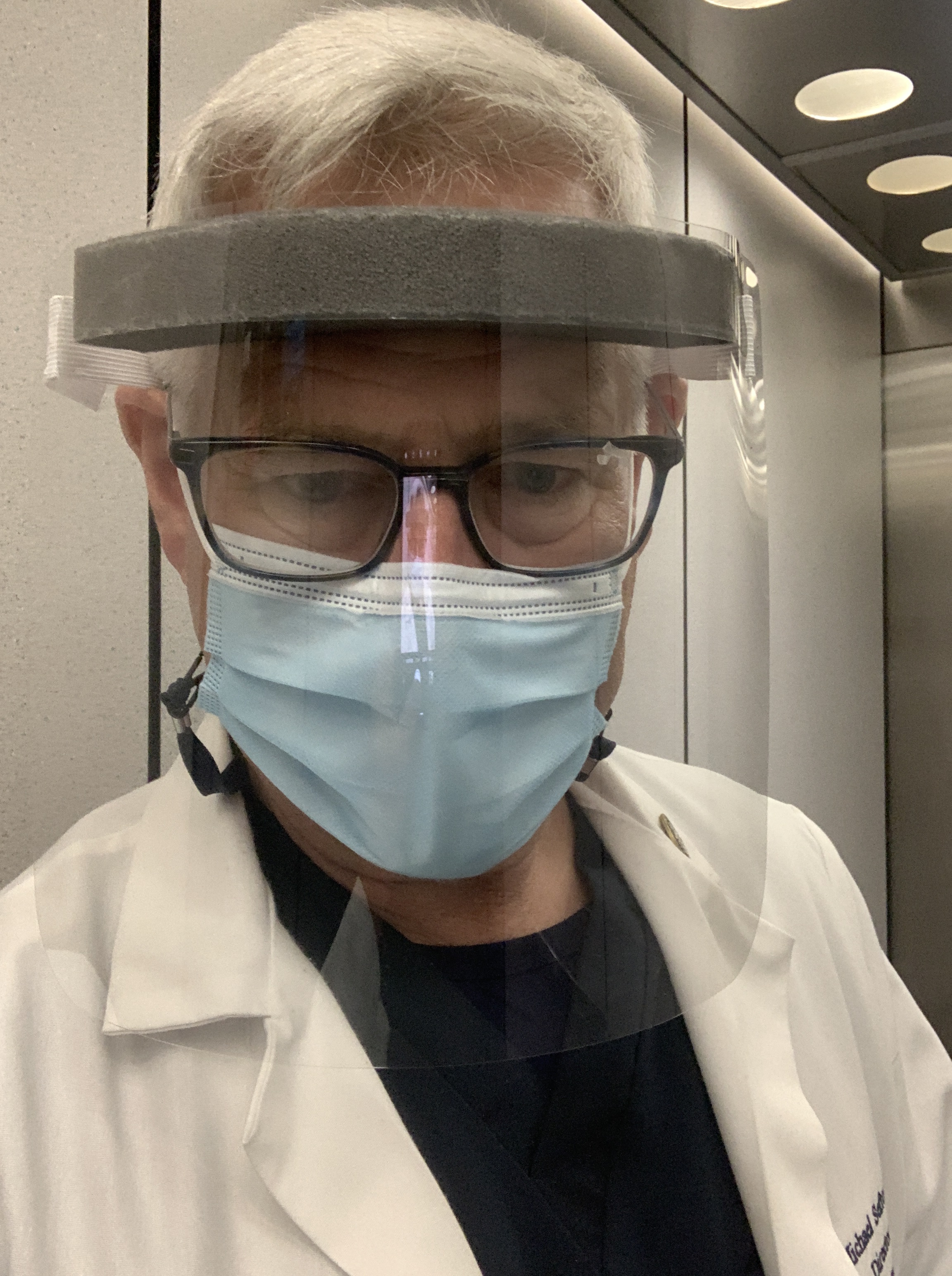
The unforeseen consequence of traumatic exposure in some professions you might not expect

WESTBOROUGH, MA November 30, 2024 – Stress affects all aspects of how we feel. There is no cure for human stress we must learn to modulate its impact. What affects one person may not impact another in a stressful manner. I have had a series of posts on the Human Behavior blog recently and since beginning this blog in 2014. If you are seeing this blog, you have access to my other posts and hopefully the research cited in the musings I espouse here. This post is about how some people are impacted by the work they choose and may experience serious physical and emotional problems directly associated with it. The example here is a tow truck operator who is suffering with the consequence of being exposed to motor vehicle accidents while towing for state police or other agencies who regularly call upon towing companies to haul away the wrecked cars and trucks driven by a host of young drivers who may not be on their best behavior. But I have regularly wondered how young EMT’s, funeral home operators, medical examiner recovery teams, and tow truck operators deal with the things they see. In addition to the lowest paid these personnel tend to be the youngest and most inexperienced and least trained setting up an unhealthy risk for long-term traumatic stress.

Recently, I began seeing a man who was referred because he had sustained a serious stroke. The man was only 59 years of age and needed quite a bit of help from his wife. He was referred by the speech pathologist here at Whittier who had a stong instinct the man had a psychological component to his condition. She was correct. I learned in our first visit that the man worked as a tow truck operator for over 10 years in a private towing company. Many police agencies use private companies to haul away cars involved in motor vehicle crashes or subsequent to an arrest. It is common practice here in Massachusetts. I strongly suspected that the man is experiencing the chronic symptoms of stress and it is highly likely he has full blown post-traumatic stress disorder from years as a tow truck operator. His body was so injured by the stress of his job that it created the perfect storm for both physical and emotional injury. He was at high risk for hypertension, heart disease, cardiovascular disease, obesity, and depression. Nothing is for certain, but he has the hallmark triad of PTSD (avoidance, hypervigilance, and triggering) in addition to the full blown stroke syndrome that left him disabled.

Before you say “does everybody have PTSD?” let us understand that exposure to traumatic events (beyond normal experience) can cause an acute stress reaction that in some cases evolves into PTSD over time. Human beings can adjust to traumatic stress if they have time to process what they experience. Sometimes they require professional crisis intervention or debriefing such as post incident review.

Our bodies are equipped with a built-in defense system—a complex army of infection-fighting cells and proteins that warn other cells of invaders, fight them off when they arrive, and heal any damage the resulting conflict produces. Stress is the number one cause of silent and malignant conditions like hypertension, stroke, heart disease, obesity, and autoimmune disorders like chronic fatigue, lupus, Type I diabetes, and others. Even multiple sclerosis and inflammatory bowel disease are linked to autoimmune disorders. These all have a known link to stress. The Washington Post published a story about human “weathering” a term first coined by Arline T. Geronimus, a professor and population health equity researcher at the University of Michigan. The fact of stress weathering our bodies from the “inside out” is a point not lost on many of us who previously worked in public service as police officers. And here in the United States, life expectancy levels have decreased for 2 straight years – the first time in decades. Chronic stress and its associated disease states is a likely culprit.

Blood pressure remains high. Inflammation turns chronic. In the arteries, plaque forms, causing the linings of blood vessels to thicken and stiffen. That forces the heart to work harder. It doesn’t stop there. Other organs begin to fail. Washington Post by Akilah Johnson and Charlotte Gomez in 2023. “Too much exposure to cortisol can reset the neurological system’s fight-or-flight response, essentially causing the brain’s stress switch to go haywire.” Relentless stress is associated with changes in our body’s chromosomes and shortens the life of our cells resulting in premature death to those who are vulnerable to its environmental biopsychosocial confluence.

Within the past month, Harvard Medical School has published a helpful booklet on the inflammatory response and the impact of chronic inflammation, edited by Mallika Marshall, MD (2024). The inflammatory response is regulated by the body’s immune system to promote quick healing. When this becomes chronic, like when we are under constant threat from environmental stress, the body begins to change and can not return to a state of equilibrium.

Our bodies are equipped with a built-in defense system—a complex army of infection-fighting cells and proteins that warn other cells of invaders, fight them off when they arrive, and heal any damage the resulting conflict produces.  Inflammation is the body’s response to threats that reach our insides. Inflammation is necessary whenever we are injured or infected. The only true way of heading off the impact of stress is taking direct action to lower the elevated fight-flight response involved in the stress response, lower physical tension and other signs, and minimize unrealistic expectations. The body has been accostomed to respond to threats every since our species evolved. Part of this evolution is to react quickly to threats (that saved us from being eaten) and to just as quickly return to our normal resting state. The constant elevation of the threat arousal system is not realistic nor sustainable. It is important in early adulthood to keep in mind there are specific behaviors that may be learned to mitigate the negative impact from chronic stress before it has negative impact on our health.

The other day I was so wound up with some much stress and tension, I almost cut my 12-hour day short. Things settled down but not after an 8:30 AM crisis call from a patient living on Cape Cod. All at once, my day was diverted to needing to find a hospital bed for a client with a boat load of unrealistic anger and now suicidal ideation. Not easy. I can honestly say that stress impacts me more now than it did early in my career but that said, I am mindful about managing the stress more purposefully. This post is not about me or my work habits. Although I read these posts and many others in order to make myself a better psychologist and to understand the importance of managing stress before it can cause irreparable damage to one’s mind and body. The connection has never been better understood by medical and psychological providers. So in order avoid weathering from the inside out, start taking control of things in your life that you can control and apply mindfullness strategies to your routine. You will feel better.
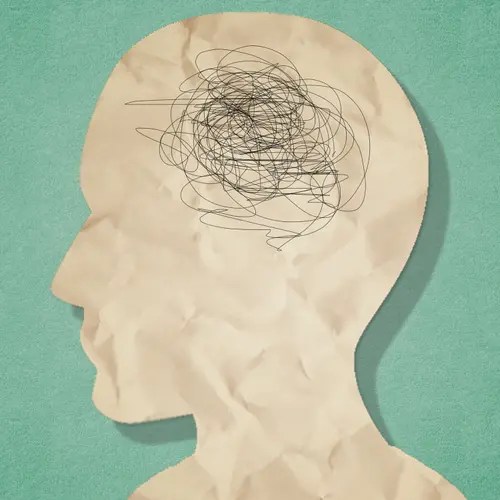
Career Burnout: The overwhelming impact of stress and understanding the cost to Human Capital

WESTBOROUGH, MA October 17, 2024 When we talk about career burn-out, we are looking at the impact of chronic and sometimes overwhelming stress on work efficiency and job satisfaction. As a clinical psychologist, I espouse the risk of stress and its associated malignancy to everyone I meet. Stress adds costs to workforce management because as workers become overwhelmed they start to look for better jobs. Surprisingly, it is often not the compensation that makes workers want to switch jobs – but the work ecology, those subtle factors most of us seek in the relationship between us and the company. Replacing intelligent and career oriented nurses and doctors is very expensive and disruptive to everyone. It means that supervisors are always interviewing and floor nurses are always orienting someone to the idiosyncrasies of the role.

It has been suggested that employees who are under chronic stress are at greater risk for making medical errors and other mistakes. Shortages in staff trickle down to patient care too. Hardly a day goes by when I do not hear someone say “I had to wait 30 minutes for someone to come and help me get back into bed.” When it comes to healthcare, people are not concerned with staff shortages when a loved one is hospitalized. Customer satisfaction is key to good medicine and community policing alike. And like police officers, a nurse or doctor who is on the last hours of a 12-hour shift is more likely to be ill-tempered and out of sorts. And like police officers, healthcare workers experience stress from long hours, shift work, and the nerver ending number of patients. Just ask any nurse or physician working in the emregency department and they will tell you it goes on and on round the clock. It is a mystery how some can stay in one job for any length of time given the current model of corporate medicine and the megagroup practice devouring one sole practitioner after another.

“The prolonged elevated cortisol levels that come with chronic stress and post-traumatic stress disorder (PTSD) can interfere with and damage the brain’s hippocampus” Wendy Suzuki author of Good Anxiety: Harnessing the Power of the Most Misunderstood Emotion.

The brain and body experience stress like a jolt of toxic hormones that have the power to gradually reduce the ability to relax and quiet the body. I am tasked with assessing employees following high acuity/high lethality calls for service who find themselves in an unsustainable state of physical tension and mental fatigue. I teach mindfullness and biofeedback strategies for people suffering with the effects of chronic exposure to high stress situations and the physical impact of these. When working with a group of medical providers stress may become overwhelming after a particularly stressful shift, like many hospitals experienced during the coronavirus pandemic.

I presented a conference on Stress and Healthcare providers: Caring for the Caregivers shortly after our emergence from the nationwide pandemic response in 2022. On that night, I wanted to bring some examples of current stress the frontline healthcare workers experience – especially with the pandemic now in the rear view mirror. In doing so I realized that even preparing for this 90 minute presentation was as much as I could handle with so much on my plate. I needed to remind myself, I am not a superman, I am not a warrior. I must take time for myself and cleanse my psyche of the evil spirits floating around in my unconscious mind. I am aware of the impact of stress on my thinking and my intimate life.

In the short term, our bodies need the adrenaline and cortisol to quickly activate our brains and other organs to react when a threat exists such as when a patient unexpectedly goes south. Since we were being chased my sabertooth tigers we have relied upon the “threat response” to keep us alive. In any environment our bodies need this fight-flight system to modulate and guide our behavior including when to run, fight, or freeze. It comes down to using our sensory system to be on guard for us and when we are exposed to something threatening, like a crash in our patient’s blood pressure or looking through a darkened building trying to find a burglar.

“If you exercise regularly, get good-quality sleep and take steps to reduce and/or manage your stress, “you can reduce stress activity in the brain, systemic inflammation and your risk of developing cardiovascular disease,” reported Ahmed Tawakol, a Massachusetts General Hospital physician quoted in Washington Post article on Stress published in 2022.

Chronic stress is hard on the human body. Most people who seek out a blog like this one are well aware of the toxic impact of an abnormal stress response. “The prolonged elevated cortisol levels that come with chronic stress and post-traumatic stress disorder (PTSD) can interfere with and damage the brain’s hippocampus, which is critical for long-term memory function,” Wendy Suzuki said in a Washinton Post article (2022). The hippocampus and amygdala are a constant filter for danger and threats to safety. Abnormal activation or damage to these organs leave a person struggling with constant activation of the fight-flight response that we know is unsustainable. Or even worse, we are left somewhat helpless without this cueing mechanism. When it starts to rain upon us and we do nothing to initiate staying dry or move away from the lightning. Long-term increases in cortisol can also damage the brain’s prefrontal cortex and its interconnective pathways. These are essential for focused attention and concentration, as well as the functioning of the higher order executive system needed for problem solving and other cognitive tasks we often take for granted. That is until they are corrupted by stress hormones running amock.

What are the signs of burnout? First, there are many nurses who have become numb and disinterested. Some career nurses pull the plug on their roles leaving to become a home health nurse or perhaps off to the nursing home nearest to their homes. Many experience caregiver fatigue and waning empathy from hours of high stress patient care and management. During the relentless pandemic Many want to go back to the “old way” of taking care of patients by using the primary nurse model which divides high acuity patient among the senior nurses on a shift. The primary nurse is usually repsonsible for attending team meetings designed to update physicians and consultants as to how treatment goals are being met.

Secondly, burnout can leave people exhausted, unmotivated, and cynical – the consequences of which can be catastrophic in many professions. As well as impacting professional growth, research suggests that these extreme stress levels can impair social skills, overwhelm cognitive ability, and eventually lead to changes in brain function and damaging physical disease and inflammation in vital organs leading to premature aging.

The stress of this is often overlooked. “During the pandemic began, newly minted residents who normally wouldn’t take care of patients with severe respiratory illnesses, such as those training to be psychiatrists, podiatrists, or orthopedic surgeons, have been asked to volunteer to work in COVID-19 wards” across the country according to a report by Deanna Pan in the Boston Globe on May 9, 2020. Professionals including residents in training, who ride a high stress career need time to process the trauma they face each day. That is not always possible. As a result, the cumulative impact can abbreviate even the most stalwart among us. Supportive supervision can assist young professionals to mitigate the impact of trauma and stress. Time for resilience should not be put off because of staffing shortages.

Working on the front lines with patients who are dying is horrific. This is especially painful when there is seemingly nothing that can be done to help them. First responders and frontline hospital workers are trained to provide emergency care. When their training is not effective, than feelings of helplessness will grow (Sefton, 2020). These feelings can be overwhelming. The cost has been great with increased rates of suicide since the shutdown began in March including those on the frontlines where the decisions they made both right and wrong may have been impacted by the unending stress of patient care.

On April 27, 2020 Lorna Breen, a physician specialist in emergency medicine took her own life after being witness to dozens of patient deaths during the peak of the coronavirus and contracting the virus herself and surviving it. Dr. Breen was a professional and emergency service medical director of NewYork-Presbyterian Allen Hospital and had no history of depression or mental health diagnoses. 

More should be done for employees to assist them in remaining emotionally hardy and resilient for long-term career satisfaction. We know that days of stress from never ending patient flow can undermine career-oriented nurses and shorten their work life – something that no employer wants to see. The same as in law enforcement, finding replacements for nurses, doctors, and other caregivers is not easy. It is important to get ahead of career paths and lower the chances of losing the best and brightest because they are pushed too hard by a hallow system that does not care for its employees. Its human capital is the source of all business success. The loss of its human capital is the actual cost of stress and should be better addressed with thoughtful awareness, firm compassion, and kindness.

Stress awareness remains a key denominator for law enforcement for managing its malignant power to impair

WESTBOROUGH, MA September 23, 2023 – Police agencies across the country are looking for ways to mitigate the impact of accumulated stress associated with exposure to the worst of the worst of all human experience. These events happen everywhere and are unpredictable. “Arguably, everything from unattended death, domestic violence, child abuse, and a fatal motor vehicle crash can show up on the call board of any dispatcher on any day or night” according to Sefton, 2015. Career longevity and hardiness is essential for good law enforcement. There is a lot of training going on across the country emphasizing the importance of lowering stigma and bias against people with mental illness. Police officers and social workers are now found together in cars where mental illness is a suspected underpinning. The idea in not new and is known as jail diversion. For those with active mental illness diverting the citizen to behavioral healthcare is a better alternative than delivering them to the county holding facility. Programs for jail diversion are gradually making their way into small and medium sized departments across the country thanks to grants and political best practices. Gradually, the law enforcement field has had to look at itself and accept that when an officer is exposed to traumatic events over and over during his or her career, then we can expect that there will be an emotional response of some kind. That is a fact and impacts career longevity including physical and mental wellness.

Police officers are often hard charging men and women – especially right out of the academy and field training. They quickly go all in and no one wants to be seen as weak or unreliable. The field training is also being modified to allow officers to experience normal reactions to these early exposures. Things that can lead to stress and decreased efficiency as life circumstances change. Situations like marriage, children, buying a house, childcare, financial angst, you name it. Add to that mid-career professional jealousy and cynicism, career embitterment, resentment, staying current with court cases, mandatory overtime, holidays, and life becomes pretty hectic pretty quick. High stress situations require considerable time for all people to process. In law enforcement, time is something that is often a luxury. “Downtime is important for our health and our body, but also for our minds,” says Elissa Epel, M.D., a professor in the psychiatry department at the School of Medicine at the University of California at San Francisco. Some say that humans need 24 hours to process a high stress experience and return to normal balance.

“I have several posts that have brought up the human stress response going back to 2015 but there is plentiful research dating back 50 years or more on the human stress response and autonomic dysregulation. I believe strongly that unregulated sympathetic arousal can lead to a decline in physical well-being as the literature guides. The human cost of stress has been well studied and the effects of stress are a well-known cause of cardiovascular illness including heart attack and stroke and others.  It is now known that the brain plays a big role in all of this.”

Stress is a cumulative response to exposure to threatening, fearful, or chaotic scenes. It is especially important that cops are able to quickly assess violent scenes to provide best and most timely action. Active shooter protocols require that teams of officers are not distracted in their search for the shooter sometimes stepping over victims along the way. It can become very difficult unless they are disciplined. “Officers are trained to be vigilant and alert. The job demands it. But these expectations, mixed with chronic exposure to stress can make officers hypervigilant and hyperalert even during moments of calm. The stress of police officers doesn’t suddenly disappear when a shift ends” as reported in Powerline on Law Enforcement, published in August 2023. Whenever I have participated in an after-incident review or formal defusing/debriefing, I rarely have an officer raise his or her hand when asked “did any of you experience significant stress during this call?” That is to be expected to some degree. But honest reporting on call-related stressors like an officer involved shooting, fatal car crash, sudden cardiac event in another officer, or domestic violence homicide should leave any one of us in an elevated state of stress. This comes from the brains response to fear producing events that all human beings experience and takes as long as 24 hours to return to normal. Some say police officers can be taught to reduce the effects of high stress call to 60 minutes. The problem with that is that many agencies with high call volume do not have the manpower to allow one of more officers to sit on the sideline as their stress response slowly trends down to normal. Men and women in law enforcement are vulnerable to chronic stress and many do nothing to mitigate this vulnerability.

For career hardiness it is essential that law enforcement officers manage their stress. This means regular exercise, a healthy diet, and stress awareness and mindful lowering the body’s elevated fight-flight response. Especially after exposure to the gut-wrenching calls that regularly come across the police scanner. Well-established research has shown that low-level daily stress can create such intense wear and tear on our body’s physiological systems that we see accelerated aging in our cells, says Elissa Epel, M.D. who co-wrote the book “The Telomere Effect.” Epel added: “Mindfulness-based interventions can slow biological aging by interrupting chronic stress, giving us freedom to deal with demanding situations without the wear and tear — and giving our bodies a break” as described in the Washington Post article authored by Jamie Serrano on June 29, 2024. In my experience, the techniques of mindfulness have an appreciable impact on lowering self-regulation described in most literature. The drawback is a lack of carryover and minimal positive practice. It is not for everybody but it can be one part of a comprehensive goal of self-care and emotional resilience needed for long-term career success. The importance of this practice cannot be overstated when cops frequently jump from one call to the next. I offer individual biofeedback sesssions to lower the body’s sympathetic activation that often ramp up at times of threat. For many in law enforcement, the experience of being under threat never goes away. This can hurt.

In the Spring of 2024, I was involved in a Zoom presentation on the important ways to unpack stress and its cumulative impact on physical and mental health offered by Whittier Rehabilitation Hospital in Westborough, MA. Like everything in the new year, innovative ideas and habits are hard to stick with. But building discipline is easier when one becomes committed to educated on what stress can do to our bodies and committed to using our skills to limit the daily accumulation of adrenaline and cortisol and recognizing the signs of an abnormal stress response. Things like poor sleep, irritability, excessive use of alcohol or drugs, forgetfulness, overeating, lack of exercise, isolation, etc. We all do these things at times, we are human. But when you find yourself going off the rails, and are not taking proper care of yourself, it may be a sign of a growing stress response that may lead to depression, anxiety, and a host of physical conditions like hypertension, heart disease, stroke, autoimmune disorders, obesity, and diabetes. A balance of work and personal life should be part of any stress lowering plan. It becomes especially important to pull yourself back into your routine. Things like exercise, nutrition, mindfulness lowering alcohol intake, regular sleep, and maintaining family and social connections become key tasks to help you feel better and lower shame and guilt.

“If we perceive our available resources to be insufficient, along comes the ‘threat’ mindset. When threatened, stress has a catastrophic effect on our ability to perform. We receive an enormous sympathetic surge (adrenaline/noradrenaline dump), and our HPA axis pumps out cortisol. High cortisol levels have a very detrimental effect on higher cognitive processes – decision-making and prioritization” as described in a blog written by Robert Lloyd, MD.

I conduct pre-employment psychological screening here in Massachusetts. Men and women entering the field today are smart and well-educated. Academy curricula integrate behavioral health and officer well-being more than ever teaching students to utilize stress response strategies to lower the threat response sometimes aberrant in acute stress reactions. Agencies like the RCMP and the Finnish Elite Police service are using paced breathing techniques to quickly reduce the effects of high adrenaline that is a hindrance to physical and cognitive functioning. These techniques are easily taught and when learned, need little to no technology or equipment to implement.

According to Leo Polizoti, Ph.D., the primary author of the Police Chief’s Guide to Mental Illness and Mental Health Emergencies, and colleague, stress can lead to a breakdown in adaptive coping. “Learned resilience can be taught and leads to reduced stress and psychological hardiness rather than psychological weariness and burnout. Psychological weariness is a drain on coping skill and regular adaptation to job-related stress needed for efficiency for handling the everyday calls for service. Resilience and career satisfaction are important components of law enforcement and individual officer training, on-duty behavior, and career longevity. Positive resilience will reduce officer burnout, misconduct, and reduce civilian complaints against officers.

Some law enforcement officer deaths may be reduced by using a stress intervention continuum as a way to get out ahead of the buildup of stress. This program ties the range of calls into a stress reduction protocol that empowers resilience and recognizes the importance of stress mentoring and the soft hand-off for defusing the growing impact of high stress and high lethality exposure. If 10 cars are sent to a fatal automobile accident with entrapment, then these officers would be expected to participate in an after-action defusing of the incident. Those 10 units would also be coded with a level 1 call – highest level of acuity. This is easy technology and cars are often dispatched to level 1, 2, or 3 depending upon the severity of the call. It becomes an end-of-the-year task to see which officers have accumulated the highest number of Level 1 high acuity calls. Level 1 is highest priority and puts the officer at highest risk for exposure to traumatic stress and its debilitating impact.

The stress intervention continuum does not single out one officer but identifies all officers – including call takers, dispatchers, and supervisors for defusing particularly abhorrent events like mass shootings, domestic violence homicide, or fatal car crashes. This way, personnel who played a roll in a “bad call” will not be overlooked nor stigmatized for stress reduction defusing and/or debriefing. Chief Paul Saucier who is the interim chief of police in Worcester MA requires that officers attend a post incident defusing after major events with high lethality or particularly lurid stressors. Worcester PD is an agency with over 400 officers and may participate in this program. More agencies are beginning to utilize some form of online screening that officers may complete on an annual basis that measures perceived stress over the previous month. Chief Saucier and I have discussed options for on-line assessment and annual reviews. I have looked at the Perceived Stress Scale – PSS-10 for implementation.

Only Darkness for Uvalde: Now asking tough questions of law enforcement two years on

This post reflects on the tragic events in Uvalde, Texas that occurred 2 years ago this week. Nobody wants to remember this day in Texas that happened two years ago. But the totality of events suggests not one but two tragic occurences, the active shooter and the police response. As frightened parents where threatened with arrest for wanting to enter the Robb elementary school, a man named Salvatore Ramos hunted for kids and had an hour alone in the building while shooting. The parents waited outside with police during that hour when no one initated the call to order and the call to stop the shooting.

The day started normally enough with a ceremony for children who had made the honor roll. The parents of these children had no idea that the ceremony would be the last bright moments of their young child’s life. Shortly after the end of the honor roll ceremony the proud fourth graders went back to their classrooms. When a few minutes later, the school was breached by a former student – a wolf in sheep’s clothing. At 11:28 AM, Salvadore Ramos entered the Robb elementary school through an open door. The 911 system had been activated. His plan had been foretold on a chat group saying “wait and see.” Law enforcement was in the building and then took fire. Retreat and wait.

Only months earlier, they had trained for this. The tactical training instructs officers to move to contact and bring the fight to the sound of the guns even when you must step around or over victims. In the Pulse Nightclub massacre in Orlando, FL officers had to ignore victims pleading for their lives as a small group of sheriff’s deputies chased the shooter in pitch darkness into a men’s room and neutralized the threat. We were taught that as few as three officers could bring an end to an active shooter incident by quickly entering a building and moving to the sound of the shooting to neutralize the threat. The FBI says as few as two officers to teams of five should enter the scene without hesitation and move to contact. Moving forward not back.

Our chief in New Braintree, MA vowed that he would drive his cruiser through the front door of the school if needed, to gain immediate access to save lives. The New Braintree elementary school was much like the school in Uvalde with many doors and easy access to classrooms. The important message we recieved in all active shooter trainings was not to hesitate for extra back-up if it meant waiting. Early entry with two or three officers, find the shooter, and end the assault. Waiting meant more children would perish.

We learned from Columbine, that the longer we waited the more children, teachers, and staff would be lost. These events are over in 5-7 minutes. There was no way a SWAT team could deploy in the time needed to move into the school, find the bad guy, and put an end to the killing. We trained in neighboring schools too so we might be familiar with the maze of corridors common in most school buildings.

In this case Ramos was in the building for 60 minutes when a team from the U.S. Border Patrol made its move. Uvalde turned into a large crime scene and a heart-breaking stain on dozens of onlooker police officers. At least 19 ten-year old children and 2 teachers were killed by a member of their own community. Former Uvalde High School student Salvadore Ramos was just 18 years old. He killed nineteen 3rd and 4th grade students and their teachers in tiny Robb elementary school in west Texas over the course of an hour. That hour will be scrutinized by the FBI, Texas Rangers, and other active shooter experts to discern law enforcement strengths and weaknesses in the handling of this event. Had law enforcement followed the protocol as practiced? Two years on the collective minds say “no.”

Much of the aftermath scrutiny will catalog social media red flags that may have informed law enforcement of his disaffected beliefs. This is obvious but no one can see the musing of someones anger without the help of those privy to his intentions. The psychological autopsy will chronicle the facts of Ramos’ final weeks especially his social media presence. Information about his state of mind will slowly emerge and the roadmap to his disaffected life. No one knows how long Ramos may have been percolating when he purchased 2 high powered rifles after turning 18 in March. On Facebook, Ramos leaked his plan to Cece, a teenager in Germany. It became visible to other members of a chat group including “Cece” who could do nothing to stop Ramos’ intentions.

His mother, Adriana Reyes said he was angry for failing to graduate high school with his fellow classmates, adding that “he was not a monster.” In an NBC News interview, Adriana Ramos’ boyfriend, Juan Alvarez, said that Ramos went to live with his grandmother after a fight with his mom over Wi-Fi. He said the relationship between Ramos and his mother was tumultuous and that the two often fought.” Since the pandemic quarantine Ramos’ mother described him as mean. His closest friend said that Ramos was bullied in middle school because of a stutter and years later after posting a photo of himself wearing black eye liner. He grew distant from friends and sometimes used a BB gun to shoot people while driving around with friends. He had an online presence and played violent video games with friends like Tour of Duty. His social media chat foretold his intent to murder starting with his grandmother. The psychological underpinnings for these murders will be studied for years to come. The police response will also be critiqued for its dearth of leadership and tactical failure.

But Valdez (Ramos’ friend) said he was horrified when Ramos once showed up at the park with numerous slashes across his face, initially claiming the cuts had been caused by a cat scratching him. “Then he told me the truth,” Valdez said. “That he’d cut up his face with knives over and over and over. I was like, ‘You’re crazy, bro, why would you do that?'” Ramos reportedly told him he did it “for fun,” the newspaper stated.

Chloe Mayer, Newsweek Newsletter

The 18-year old high school student shot his grandmother in the face before heading for his primary target in much the same way mass murderer Adam Lanza, then age 20, killed his mother in December 2012 before heading to the elementary school in Newtown, CT at 9:39 in the morning. The two killers are seen as similar in mental health domains. Ramos withdrew from his family and from school. He was angry, Lanza too was detached and played video games hours each day. He was homeschooled at age 16 and was fixated on guns. He too was also angry. His mother purchased him his first firearm, a pistol. He took some college classes. Bought some more guns like a Savage Mark II bolt action .22 caliber. Then back to school – Sandy Hook elementary with his Bushmaster XM-15 E2S semiautomatic rifle, Glock 20 .22 & the shiny Sig Sauer .226. Unlike Sandy Hook, there are many questions about the time line of events at Robb elementary on May 24th that have become the focus of community outrage.

Just like Sandy Hook, the outcome in Uvalde was as hideous as anything one could imagine. But unlike Sandy Hook the tactical response took too long. Like Sandy Hook and Marjorie Taylor Douglas before them, parents’ at Uvalde experienced the horrendous reality of the disaffected having access to guns.

For his part, Salvadore Ramos would receive no awards on that day. His mother was wrong. He was no longer a student; he became a monster no one will forget. By all rights his rampage may have been cut short by an hour or so, had law enforcement brought the tip of the spear to him as shots first rang out. We know this from Columbine. Ramos’ day would end in blackness, just like the front page of the Uvalde Leader-News.

Life-like, scenario-based training and human autonomic functioning: The new neurobiology of police work

I authored a paper for a class I took on the interaction of stress on brain functioning among police officers. It was an awesome class taught by a physician Sabina Berretta, MD from McLean Hospital in Boston. Severe threat responses that are extended or frequently repeated can significantly raise the risk for physical and mental health conditions such as cardiovascular disease and anxiety disorders – and PTSD. 

“Although resilience — the ability to cope during and recover from stressful situations — is a common term, used in many contexts, we found that no research had been done to scientifically understand what resilience is among police.” as published in the Royal Canadian Mounted Police Gazette Magazine in 2017. Law Enforcement officers have a unique role among first responders in that they often have little time between calls for service. They face repeated stress, work in unpredictable and time-sensitive situations, and must act in accordance with the specific provincial and departmental policies according to RCMP documents. Police everywhere are faced with this reality. Some might argue policework is comprised of hours of boredom coupled with moments of extreme stress and shere terror from exposure to traumatic scenes and experience. The juxtaposition of these changing scenarios bespeaks the career challenges faced by cops from small towns to urban cities.

LEO’s experience wide ranging physical conditions from hour to hour during their appointed shift work. In a study by Andersen et al. designed through looking at realistic training scenarios this variability came to life. HRs rose significantly with potential encounters from an average resting rate of eighty-two beats per minute upward to 130-140 bpm or more during high stress calls. For example, Anderson reported the following HR averages for a variety of police actions: hand on gun, no suspect (134 bpm); holster snap open, no suspect present (131 bpm); hand on gun, suspect present (134 bpm); holster snap open, suspect present (131 bpm); talking to suspect (134 bpm) (Anderson et al., 2002)”.

Research shows that there is no evidence-based replacement for reality-based training. In a study comparing technology-delivered training with reality-based training and active-duty encounters, the data found that technology-delivered training didn’t mimic or prepare officers for real-world encounters as did reality-based training, according to her study Judith Andersen at University of Toronto, Canada. The management of autonomic arousal is illustrated in data obtained from officers with excessive HR given that research has shown that when HR exceeds 170 BPM, perceptual distortions (e.g., tunnel vision, auditory exclusion), freezing, and possible irrational behavior are highly likely to occur (Siddle, 1995). Siddle focuses much of his writing on having a warrior mentality and remaining focused. Autonomic systems in the body sustain us for short periods when there are threats present.

The fight-flight response activates us for battle in the presence of fear, threat, and unseen danger. We need officers to be prepared when under threat especially when times become chaotic and threatening. When these threats are no longer present the parasympathetic system needs to put the brakes on our runaway stress response. The problem lies in cases where the fight-flight system becomes unmodulated and chronically on guard – like the hypervigilence associated with PTSD. The body reacts to reality-based training by allowing for automatic changes in heart rate, muscle tension, galvanic skin response, and respiratory rate to be ready when needed. Physical conditioning and healthy nutrition combine with stress hormones at times of high stress to aid us in battle. Similarly, it becomes essential that the burden be mitigated at the end of the day. Unless this can happen, officers may become cynical and lose resilience needed for a hardy career. In some cases, officers who are poorly regulated may become candidates for career burnout and questionable use of force.


Andersen, J.P., Pitel, M., Weerasinghe, A., & Papazoglou, K. (2016). Highly realistic scenario-based training simulates the psychophysiology of real-world use of force encounters: Implications for improved police Officer Performance. Journal of Law Enforcement.

Andersen, J.P., Pitel, M., Weerasinghe, A., & Papazoglou, K. (2016) http://www.jghcs.info (2161-0231 ONLINE) JOURNAL OF LAW ENFORCEMENT, VOLUME 5, NUMBER 4.

Laur, D. (2014) The Anatomy of Fear and How It Relates To Survival Skills Training. Integrated Street Combatives. http://www.hptc-pro.com/wp-content/uploads/2014/01/The-Anatomy-Of-Fear-Laur.pdf, taken January 29, 2023.

Siddle, B. K. (1995). Sharpening the warrior’s edge: The psychology & science of training. Millstadt, IL: PPCT Research Publications.

Finding purpose for career success

As a member of the Direct Decision Institute, Inc in Worcester, Massachusetts, my colleague Dr. Leo Polizoti, the Institutes senior lead psychologist, are charged with doing pre-employment psychological screening for all officers heading to a regional police academy across New England. There are details about the pre-employment process at the institute website: drdecision.org. One question I usually ask is: “Why do you want to be a police officer?” As you might expect, the answers are all well-rehearsed and touch on inspiring, decorated family members who were police officers, the personal desire to help people, or a memorable encounter with a member of law enforcement early in life. There are always others too.

A more curious inquiry might sound like this: “why would you want to be exposed to fatal car crashes, domestic violence, including intimate partner homicide, completed suicide and suicidal persons, sudden infant death, violent, intoxicated subjects, random citizen complaints, professional jealousy, long hours, and sometimes decrepit leadership?” I might even add: “if you want to help people why not become a nurse or high school teacher?”

As a police consulting psychologist my goal is to offer my best judgment about candidates for police officer. I offer my two cents worth of resiliency advice by painting a portrait of how they see themselves five years in the future. When asked what they expected in the pre-employment psychological interviews one or two have said it was a “waste of time.” Now these men and women are in the minority, only 1 in 15 has said that in my last round of interviews. But just as importantly, going forward, these new officers are going to represent law enforcement and should be better prepared to embrace mental health awareness and the reduced stigma associated with behavioral health and human resilience. Most police officers are starting to understand this. To say that a one-hour meeting with the police psychologist was a “waste of time” reflects both the lack of understanding of personal wellbeing and a blind spot in progressive policing. Mental health services is everywhere in law enforcement on both sides of the badge.

Domestic Violence Homicide: crafting protective orders with teeth and laws to support victims in fear of being murdered

Domestic violence homicide shares common red flag warnings that are discernible when prosecutors take time to connect the dots.

In Maine, Texas, and across America, the criminal justice system – including prosecutors, too often fail to protect victims of domestic and family violence from their abusers — even when the “red flag” warning signs are obvious as they were in both these cases. In this post, and the March 15 post, I talk about the importance of report writing and truly  understanding DV on a visceral or gut level. To truly understand what is going to happen requires a realization that just below the surface may lie a wolf in sheep’s clothing. 

In early 2021, the police in Austin,Texas were beset by a horrific case of domestic violence homicide. On April 18, 2021, a former police officer killed the family while picking up his son for a monthly supervised visit. The child’s mother encouraged these visits as important to the boy’s development and relationship with his violent and sadistic father. While exchanging pleasantries, the child’s father shot and killed his former wife and step-daughter.  And he killed his daughter’s young boy friend and immediately fled. Detective Broderick was captured 20 hours later and is being held. Yes, the abused was a former law enforcement officer. 

Common sense look at facts

Police need broad discretionary authority in dealing with any violation of orders of protection including no bail holds and danger risk assessment

Following the 2020 arrest for sexual assault of a child, Broderick resigned from the Travis County Sheriff’s Department. He was initially held on $100,000 bond. A family friend remarked, “I kind of had a feeling that this is where he was going, because he was lost,” she explained. “He lost everything. He lost his family. There was a protective order for a reason.” He was lost?  That gives him the right to violently kill his former wife, adopted daughter, and her male friend? Many in our society are lost and do not go on to commit violent homicide.

The 16-year old child, who was among the victims, begged for a more restrictive supervision of her step-father who had been released from jail and was not required to wear an ankle bracelet after only a period of 3 months. An order of protection was brought against former police detective. There was a protection order in place but even the teen knew that orders of protection were “not worth the paper they were written on.” 

“Because Mr. Broderick committed this heinous crime after he paid a money bond to be released on charges related to sexual assault against a child, Texas law permits his detention without bail.” Wes Wilson, KXAN television Austin, TX

There is a case to be made for careful analysis of behavioral health functioning of abusers. That seems to be common sense right? But this sometimes does not occur. As a law enforcement officer in Massachusetts, I made an effort to introduce risk assessment tools to quantify a subject’s dangerousness. This is important but is not yet universally adopted here in Massachusetts. Nearly 10 years on, the psychological autopsy conducted in 2011, looked at the red flag warnings that are common to DVH everywhere – including the case in Austin. What brought my attention to the case in Maine was the purported prosecutorial impotence argued by Christopher Almy, the county district attorney, that there was “nothing that could be done to protect the victim, Amy Lake and her two children, from her estranged husband Stephen Lake. That statement was inspiring. Imagine if you and your family were depending upon the police to protect you as Amy Lake was? Everything that could be done was in place. But the protection order had no teeth. So Steven Lake snuck into the Amy’s home at 5 AM and staged a despicable murder scene, ultimately killing the children he claimed to love while Amy was forced to watch. Ending with her shotgun murder and is own death by suicide. 

“Domestic violence is not random and unpredictable. There are red flags that trigger the emotional undulation that bears energy like the movement of tectonic plates beneath the sea.” Michael Sefton (2016)

In an article on the 8th Amendment regarding bail in cases of domestic violence, the Maine Law Review, first in 2012 and an updated second publication in 2017, cited the importance of carefully crafted conditions of bail especially among men who are found to have violated the conditions often by stalking and using social media to intimidate and contact potential victims also by trolling family members in an effort to locate estranged spouse and her children who may be in hiding. Both Amy Lake and Austin, TX mother of 3 expressed an interest in having children remain in contact with extended family in spite of pending serious criminal charges. This opened up access to the perpetrator to information about current living arrangements, employment, after school activities, and other potential clues that raised the risk of further domestic violence and ultimately DVH. In Austin, the victim expressed a wish to allow her estranged husband to have contact with the little boy – his son in spite of pending felony charges brought forth by the 16-year old step-daughter who rightfully feared for her life. Why was her fear ignored or minimized given her history of having been sexually assaulted by her adoptive father and his animosity toward her for reporting the abuse to law enforcement. He blamed her for his loss of career and status as a local detective with the Travis County Sheriff’s Department.

Firearms are a major cause of DVH and in every state are required to be taken from men with active protection orders in place. This was the default expectation in the two cases described here but in the case of Stephen Lake his arsenal of 22 firearms were not removed from his possession in spite of court orders.  Similarly, the Austin killer was left with at least one firearm used to kill his family.  Lake left 9 suicide notes many of which were rambling, angry tirades toward his wife and in laws.  The Austin killer did not take his own life and was captured. This is atypical especially among law enforcement officers raising the specter of possible psychological analysis of his motives. This make the two cases in this post very different at this level. To what extent Texas authorities will endeavor to understand the events that preceded the murders remains unclear although, like the Aurora theater shooting, having a bad guy to study is rare. This means nothing, aside from an opportunity for personality and psyhopathology to be brought up at trial perhaps allowing Mr Broderick to avoid death row.  There is not much in the public media since the crime and his capture. However, gaining a comprehensive understanding of the red flag warnings in this case is recommended and will add to the body of literature on domestic violence. Why he chose not to kill himself is itself a mystery. 


Domestic violence homicide risk factors

  1. Threatens to kill spouse if she leaves him – pathological jealousy
  2. Actual use of firearm or other weapon anytime during domestic violence incident
  3. Access to firearms even if he never used them – veiled threats
  4. Attempt at strangulation ever during fight
  5. Forced sex anytime during relationship
  6. Unemployment of perpetrator
  7. Stalking via social media – one or both spouse use social media to intimidate or garner support
  8. Presence of unrelated “step” child in home
  9. Spouse finds new relationship soon after separating
  10. Low bail release from custody – high bail holds are essential in DVH mitigation

Law Enforcement and the “window” of attack against domestic violence

Human Behavior blog

In Iceland, the first 24 hours after a report of domestic violence, the window of opportunity is open. During this window there is multidisciplinary response from police, social work, legal experts, and from the child protective service that establishes a safety plan and targets supporting the victim from her household, and sometimes away from the dangerous intimate partner.The first 24 hours after the report comes in is critical. Victims are more likely to accept help if definitive, comprehensive assistance can be offered right away. Within the window of emotional opportunity.

The Iceland Project puts together the package needed to bring charges by having a team of social service and law enforcement investigators who work together during the “call out”. One reason cases of domestic abuse seldom make it to court is because days and days go by before investigators can interview the victims. Some go to work, and some do not make themselves available to officers. “In Iceland, twice as many women are reporting incidents of domestic violence to the police than they were two years ago. This is due to an ongoing police initiative to provide women with better-timed and better-located assistance, which is bringing the problem out of the shadows” as reported in apolitical in 2017. I have called for regular aftermath follow-up in cases of domestic violence as a form of community policing. Officers work in pairs and stop during the next day to complete a check-in. Victims are contacted by their abusers or the family of the abuser or may be harassed via social media and made to feel like it is their fault this occurred. I had one victim tell me she was beaten up by her husband because the dinner she had prepared was late and unsatisfactory. I stayed in contact with her until the family quickly sold their home and moved from the area. That is pretty typical whereas the abusive partner wants to keep his wife under control. As soon as she makes friends he moves her somewhere else. Even if he takes a different job. Cases of domestic violence here in the United States skyrocketed during the pandemic quarantine that also gave birth to new higher rates of substance abuse and changes in behavioral health and well-being.

Police in Reykjavik, Iceland believe that detectives or senior police officers must intervene within the window – 24 hours from start of a call out, to put together a strong case and collect evidence. They work in teams of 4 or 5. The former protocol was often several days after the call and coincided with the honeymoon period. Bail conditions frequently fail DV victims as the abuser is often bailed out within 1-2 hours. Egregious cases of DV should be held without bail until a dangerousness hearing may be initiated. The result of this usually resulted in cases being dropped and victims staying in dangerous relationships. In theory, victims are more likely to accept support and provide meaningful evidence in the first 24 hours after their abuse. The window program is designed to link victims with programs such as housing, psychotherapy, job assistance, and financial means for a new start.

The Iceland Window Project also offers perpetrators the same assistance and supports that victims receive. Charges against perpetrators of abuse have gone from approximately 24 percent of cases to approximately 30 percent of cases. This is a modest improvement at best, according to the BBC podcast People Fixing the World who report that caseloads have increased dramatically since 2014. In spite of modest changes in prosecution numbers the Window Project’s fundamental aim is to reduce intimate partner abuse. It is a well designed project to support victims and keep them focused on the problem. Many practitioners believe that when a family is in crisis, such as when police are called to the residence, that great change is possible. There has been some movement toward prosecuting abusers even when the victim changes her mind. This is a primary reason for the Window Project’s success. By getting statements, photos, and other evidence there is greater likelihood that cases can go to court even when the victim chooses not to prosecute police are now doing this on behalf of bullied partner/victims. Children who are exposed to severe domestic violence are more likely to go on and become victims going forward. Or worse, they grow up and do exactly what their abuser did.

Here in the United States victims of domestic abuse are at great risk. Especially as they prepare to leave their abusive partners. Law enforcement is required to arrest perpetrators of DV whenever signs of physical trauma. That is generally understood by the police and the abusive spouses. But what happens just as frequently, law enforcement officers send the abuser away for the night or weekend. This makes things worse for victims and children.

The domestic killing of another Gabby Petito: Send me dead flowers and I won’t forget to put roses on your grave

Gabby Petito with boyfriend Brian Laundrie on cross country trek
By all appearances Gabby was a smart and loving companion. She wanted to impart her love for Brian Laundrie and the life she hoped they would have together using social media. They were engaged to be married but this would never occur. Now she is the victim of homicide. “The loneliest time in a life is being in the wilderness in the middle of night, with a person you once loved, now killing you. “If you scream for help in the wilderness and there is no one there to hear it except your killer, was there ever really a scream?”” Personal correspondence from B.F. Gagan. New website: http://www.arrestbrianlaundrie.com for details on the $25,000 reward for finding Brian Laundrie. Details on the site. There have been at least 11 questionable tips transmitted to the FBI tip line as of October 4, 2021. The media reports keep Laundrie’s picture in the news cycle.  Just today someone reported seeing him on the Appalachian Trail where hikers go from Northern Georgia and finish at Mount Katahdin – the highest peak in Maine. Mr. Laundrie has done parts of the trail and is familiar with its isolation from society. He may feel that he can make a safe getaway while remaining off the grid. But someone recognized him today in South Carolina. Or a look alike. 
Gabby Pitito is a case study for intimate partner abuse. From the outside, we saw a beautiful couple enjoying the wonders of the American West. Social media accounts updated with regularity bringing hundred or even thousands of likes. Gabby had a gift for creating an image.  Only now have we learned the imagery was deeply flawed. Friends of the pair described Brian Laundrie as a jealous and controlling partner as described by Rose Davis, a friend of Gabby Petito.  Common among abusive partners is separating intended victims from their emotional support systems leaving them isolated and without friends and needed help. It is a common red flag in most cases of domestic abuse and more commonly, domestic violence homicide. In most cases the abuser has an underlying pathological jealousy and in some cases, delusions of his partner “hooking up” with someone whenever she is out of his site. Once while on duty with the police agency for whom I served, a jealous husband came crashing into town hall hoping to catch his wife in a tawdry affair while she stood in line to cast her vote in a 2015 election. He had been sending her text messages from the parking lot like “Where are you? Who are you with?” Ultimately, the man needed an escort out of the building and was given a trespass warning. For her part, she felt pangs of guilt, resentment, and fear for keeping him waiting. Shortly after Election Day the family moved away from town. It happens all the time. 
“You can’t say that nothing can be done, because nothing will be done,” said Michael Sefton, a former Westbrook police officer who now works in Massachusetts and retired from the the New Braintree Police Department.
Women are kept from seeing friends and family members in an effort to disempower them of any sense of self. We now know this got worse during the pandemic where people were isolated anyway and those living in domestic fear became further inhibited and marginalized. By outward appearance Gabby Petito was terrified of her boyfriend at the time they were stopped in Moab, UT. This behavior speaks volumes about the state of the relationship just as Supervisory Agent Melissa Hulls said after they encountered Gabby and boy friend Brian Laundrie in late August 2021. I have reached out to Supervisory Ranger Hulls on two occasions without hearing back. I am interested in hearing from few friends of Gabby Petito with their appraisal of what they saw happening to the couple during pandemic? The pair had been together over 2 years and managed to get through waves of pandemic only to be set free on the cross country junket. Both seemed physically fit and healthy. Had the pandemic and subsequent quarantine changed them in any way? How did the couple decide to embark on this journey? Whose idea was it?  “Brian has a jealousy issue,” Rose Davis of Sarasota, FL said in the September 17, 2021 New York Post article. “I’m her only friend in Florida to my knowledge and that’s not because she can’t make friends, he just didn’t want her to have friends.” Gabby Petito and Brian Laundrie at the Narrows in Zion National Park on July 18th.

Rose Davis says Gabby Petito and Brian Laundrie progressively got into “more and more arguments.”
“He was always worried she was going to leave him,” she said. “It was a constant thing to try to get us to stop hanging out.” She previously described him as a controlling and manipulative boyfriend with jealousy issues, and said Petito had sometimes stayed with her to put some space between them according to the New York Post interview with Davis. These are among the most common red flag warning for DV and DVH.

Supervisory Park Ranger Melissa Hulls
The Moab city Utah police were called to a possible case of domestic violence. The interview was caught on officer worn body camera and showed Gabby in an anxious, tearful state. Any physical signs should have been met with arrest of the likely perpetrator whether or not Gabby wanted to prosecute. The police report from Moab indicated that the officer believed something was not right! But he did not move on that feeling or was untrained as to what he might anticipate could happen next. She reported that her mental health was not good. Why? Was she in fear that the relationship was fragile and taking an unhealthy turn. Had the fuse been lit? At the very least Gabby should have been assessed for changes in her mental health and given her history, law enforcement missed the chance to understand the  underpinnings of her sudden loss of control and tearful anxiety? The care-free beginning of the exciting trip became suddenly serious enough to get on the local police department’s radar. A female national park ranger Melissa Hulls interviewed Gabby along side officers from Moab. She tried to advise Gabby that her relationship with Laundrie was had become toxic and put her in jeopardy. And just as quickly, Gabby and her fiancee fell off the police radar, leading Gabby into oblivion. Ranger Melissa Hulls saw the relationship for what it was and very likely feared for Gabby’s safety. Most murder-suicides involve intimate partners (72%) and the vast majority of these cases are women murdered by intimate partners using a firearm (Violence Policy Center, 2015). I have experience with domestic violence and the various red flag warnings of terminal anger and have tracked the downward spiral of a sick relationship. “We knew the system had failed Amy Lake” said Brian F. Gagan, a former Westbrook police officer who helped research the first psychological autopsy report, “We did not know how.” as published in the Portland Press Herald 11/30/2011. We learned plenty over the course of 200 hours of interview data and considered only confirmable facts and presented the findings to the Maine Attorney General’s Domestic Violence Homicide Review Board in the state’s Capitol. At very least, in the death of Gabby Petito, Brian Laundrie’s parents must be charged with harboring a fugitive, and aiding in the escape of a person of interest following a murder. The senior of the two responding officers in Moab is at risk of state decertification and may be charged criminally with statutory Utah failure to arrest. The officer will grope for the excuse that “neither party wished to charge” …which is not material to “Utah Mandatory Arrest”, according to Gagan. Gabby Petito’s body was found Sunday 9-20-2021 near an undeveloped camping area that’s surrounded by woodlands and brush, located about 30 miles (48 kilometers) northeast of Jackson, Wyoming. Her death was a murder according to the county medical examiner who has released very few details. Research has shown time and again that separating the couple for a “cool off” time out does little to stop domestic violence and often makes the violence increase. Meanwhile, I have seen the “neither party wants to prosecute” narrative too many times in my law enforcement career until there is serious injury to one of the partners – usually the female. I am fortunate to have never had a case go to the terminal stage of DVH, aside from Albert Flick – a Westbrook, ME case from 1979, police detectives Ron Allanach and Wayne Syphers handled while I was in the Juvenile Bureau. Flick went on to kill again, within weeks of his release from prison for killing a woman while her children looked on. The domestic victim never wants to prosecute because they have been conditioned against doing so over the years and are afraid they will be killed. Those most in fear of being killed by their partner are likely reacting to a primitive warning signal in the brain. The gift of fear  with a book by the same name highlights the subtle but powerful fear some women feel during courtship with violent men.  So, when these fears are realized, the terminal stage of violence begins the spiral downward when a domestic partner can no longer bind his angry, jealous impulses, and need for control. In spite of what the intimate partner may report to be deep felt “love” for his wife, girlfriend, and innocent family members, it comes down to murder for the sake of owning the life of a spouse and his children and feeling justified in his action. Gabby Patti’s cell phone has never been mentioned in published reports nor has her expansive social media reporting been studied. We have recommended that a safety plan be written omitting all social media whatsoever.  Everyone has a cell phone that can be tracked using triangulation data from cellular towers anywhere there is service. People who are lost can be easily found as long as cellular service is available and phones are properly charged. This is significant given her daily social media focus. It is certain the FBI has received all cell server data from both phones. This has likely contributed to the warrant issuance and national search. The cellular data was added to toll highway data from Colorado and Texas while Laundrie was on his way to Florida from the murder scene in Wyoming. It is also likely now that the Bureau is encircling his parents who may have helped him escape. At least one of them will be convinced to tell the truth because I am certain they are now being interviewed separately. They now cannot lie to protect the killer since there is now a federal warrant on him. If they do, they are then arrested and charged with being complicit in Gabby’s death. This case requires careful analysis once the murderer has been officially charged or found dead. By not doing so Gabby Petito’s death became another invisible young woman who wrongly believed she was safe and with the love of her life. After seeing the body worn police encounter, Dr. Ziv Ezra Cohen, a clinical assistant professor of psychiatry at Weill Cornell Medical College of Cornell University and staff member of New York-Presbyterian Hospital, told Fox News Laundrie and Petito were ‘both minimizing their argument’ and said the footage suggested the couple may have been high and having ‘a bad trip.’ (Fox News story). The psychologist cast doubt on the couple’s efforts to explain away the fight as caused by Petito’s OCD, insisting that the condition is ‘not a risk factor for violence.’ Petito expressed anxiety through her tears perhaps with an impending sense of doom.  ‘People with OCD are not violent. OCD is not a risk factor for violence. If there was an altercation between them, certainly OCD would not be fodder for something that would lead her to hurt him,’ according to Ezra Cohen, MD. If anything having OCD is more apt to result in being victimized and not the aggressor. Park Ranger Melissa Hills told Petito that her and Laundrie’s relationship had the markings of a ‘toxic’ one as reported in the Daily Mail.  ‘I was imploring with her to reevaluate the relationship, asking her if she was happy in the relationship with him, and basically saying this was an opportunity for her to find another path, to make a change in her life,’ added Ranger Melissa Hulls in Moab according to writer Rachel Sharp published in the Daily Mail on 9-24-2021.  Domestic Violence Fatality Review Teams identify homicides, suicides, and other deaths caused by, related to, or somehow traceable to domestic violence and review them to develop preventive interventions (Dawson, 2017; Websdale, 2010; Websdale, 2012; Websdale et al., 2017). These frequently depend on careful communication among those who work within the field of intimate partner violence including members of judiciary, bail commissioners, district attorneys, law enforcement, and social services. Without definitive recommendations, review boards provide nothing to protect potential victims and do nothing to move the needle in the direction of improved safety plans and dangerousness assessments of potential murderers. Sadly, Gabby Petito will not grow old. She will not have children or grandchildren.  She will not have a career.  It is incumbent upon society to look at the similarities among cases of domestic violence homicide using case study data, aftermath review of facts, and structured interviews to intervene ahead of the secretive pattern of control, abuse, sexual violence, and murder that happens much too often and flies below law enforcement radar. By doing so, victims build new lives with safety plans and legal contingencies for those who violate those orders of protection.

The Psychological Impact of Pandemic: The best and worst of human behavior

On November 11, 2020, I presented a program on the Psychological Impact of Pandemic sponsored by Whittier Rehabilitation Hospital.  It was well attended with a mix of nurses, midlevel practitioners, social workers, and nonclinical participants. The program was presented on the zoom platform. I am now going to put to paper my perspective narrative espoused in my 90 minute presentation.  I had also invited members of law enforcement with whom I have regular contact as the information was drawn from the growing literature on mental resilience and its positive impact on coping with exposure to trauma.

ca-times.brightspotcdn

According to the PEW Research Group, 4 in 10 Americans know someone who has either been afflicted with Coronavirus or someone who has died from the virus. My mother was infected with the Coronavirus in mid April in the same nursing facility where I lost my 93-year old aunt in the first wave of the virus in May, 2020. My mother survived the virus but it has taken a significant toll on her physical and cognitive well-being. We were not permitted to see my mother during her illness and my aunt was alone on May 1 when she succumbed to the virus. Both living on a nursing unit that was doing its best to render compassionate care under extraordinary conditions, in some cases with nurses, aides, and therapists working round the clock. Both of these loved ones received extraordinary care. Nursing units across the country suffered unimaginable loss of life including over 70 elderly veterans at the Soldier’s Home in Holyoke, Massachusetts.  We all saw the images of refrigerated trucks holding victims in expiated purgatory hidden behind hospitals. It may bring horror to those who lost loved ones and never saw them again.

I saw my mother on November 12. She looked frail and disheveled.  The nurse practitioner had ordered a blood draw out of concern for her physical well-being. She is 92 and may have a blood disorder. They had three staff people hold her in place to obtain the small sample of blood which took over and hour.  She has always had difficulty having her blood drawn and this has gotten worse as she has gotten older. She fought and screamed from pain, and fear, I was told. It was torture for all those involved, including me.

Little did anyone realize the extent of disease, contagion, and trauma this pandemic would bring to the United States and the world. We waited in February and March with curiosity and vague forewarning from our leadership. We were led to believe the virus would dissipate once the weather became warm and it would essentially vanish in the heat of summer. This did not happen and public health officials at CDC and WHO were spot-on in terms of the contagious spread of covid-19 and the deaths it would bring.  Now with the approach of winter our fear borders on panic.

This virus poses significant stress and emotional challenges to us all. It raises the specter of both an overwhelmed medical system as well as increasing co-occurring emotional crisis and a collapse in adaptive coping, for many. Sales of alcohol went up 55 percent in the week of March 21 and were up over 400 percent for alcohol delivery services. Americans were in lock-down and many made poor choices. The link between stress and physical health and well-being is well documented and will be a factor as American’s find their way free from the grip of Covid-19. 

“The human mind is automatically attracted to the worst possible case, often very inaccurately in what is called learned helplessness”

Martin Seligman

Whenever human beings are under stress they are going to utilize skills they have learned from other times when they felt under threat. Chronic stress has been shown to have negative effects on health including autoimmune functions, hypertension, inflammatory conditions like IBS, and pain syndromes. Many find it impossible to think about anything but the worst case scenario. Marty Seligman described the concept of “catastrophizing” that is an evolutionarily adaptive frame of mind, but it is usually unrealistically negative.” This leads to a condition known as learned helplessness. In another book, Dr. Seligman writes about learned optimism published in 1990. His cognitive strategies hold true today.

So many use the same coping mechanisms over and over, whether they are effective or not like drinking or gambling to let off steam. These things may help in the short term but can cause further health and social problems later on. They are not adaptive strategies. Stress is unavoidable and the best thing we can do is to understand its physical impact on us and adapt to it in healthy, adaptive ways. Stress raises the amount of cortisol and adrenaline in the body activating the fight-flight response. For many, that meant an uptick in the procurement of spirits in late March to help bring it down. Others think differently. Many began a routine of walking or running or cycling. Regular exercise contributes to reducing stress and when kept in perspective, is an adaptive response to the threat of coronavirus.

Many people in our hospital were afflicted with the virus or some other health concern and became immersed in loneliness and isolation that can lead to disconsolate sadness. It is hard not to be affected by this suffering. Most reviewed studies reported negative psychological effects including depression, anxiety, post-traumatic stress symptoms, confusion, and anger, according to Brooks, et.al. Lancet 2020. At Whittier, we had many cases of ICU delirium where patients became confused and frightened by healthcare providers wearing PPE including face shields, masks, and oxygen hoods. Many thought they were being kidnapped or that the staff were actually posing as astronauts. This made it hard to help them feel safe and to trust the core staff including doctors, nurses, and rehabilitation therapists.

Michael Sefton

We have had some very difficult cases including a man who found his wife on the floor without signs of life. He fell trying to get to her and both lay there for over 2 days. He was unable to attend her funeral because of his broken hip. We had another man who pushed us to be released from the hospital. He worried about his wife who needed him to assist in her care at home. She has Parkinson’s disease. He was discharged and died shortly after going home. His wife fell while getting ready for his funeral and is now in our hospital undergoing physical rehabilitation and receiving support from our psychology service. The table below is a list of observations from recent admissions:

  • Anxiety – what will my family do while I am here?
  • Deep felt sense of loneliness
  • Depression – loss of support; loss of control 
  • Exacerbation of pre-existing conditions i.e. sleep disturbance, asthma, uncontrolled diabetes, hypertension
  • Slower trajectory toward discharge
  • Debility greater than one might anticipate to diagnosis
  • Subtle triggers to prior trauma – changes in coping, regression, agitation, sleep and mood

What is left for us to do? Have a discussion about what it means to be vulnerable – talk about family members who have been sick with non-covid conditions like pneumonia or chronic heart disease, COPD, etc. It is important to be ready to work from home again such as when schools switched to remote learning this spring and when governors’ call for closing things down. Consider the return of college kids as campus dorms everywhere are likely to close this winter.

The 1918 Spanish Flu pandemic killed 50 million people worldwide. 500 million people were infected with the virus that lasted 2 years. The virus was said to have been spread by the movement of troops in WW I. The website Live Science reported that there may have been a Chinese link to the Spanish flu as well due to the use of migrant workers and their transportation in crowded containers leading to what we now call a super spread event. We know a lot more about this virus than we did in March 2020 when it first took hold but we need to understand the eradication will be a herculean task driven by science.

“The coronavirus has profound impact on the emotional stability of people around the world because of its unpredictability and lethality. It evokes fear, and uncertainty as it spreads unchecked. Later, the virus can serve to trigger long hidden memories in a way that can sabotage healthy human development leading to vague anxiety, physical symptoms, loss, and deep despair” said Michael Sefton, Ph.D. during a recent Veteran’s Day presentation. People must have resilient behaviors that foster “purpose in life, to help them survive and thrive” through the dark times now and ahead, according to police consulting psychologist Leo Polizoti, Ph.D. at Direct Decision Institute in Worcester, MA.