Love Bombing: “There is no danger to the general public” But wait.

“… He stood in the doorway with a loaded gun and talked about killing himself and/or the children and myself. He was bringing up old verbal threats and I thought they were going to come true”

Amy Lake – July 2010 (from a filed restraining order)


Domestic violence is not a private issue—it’s a public health crisis. Every year, millions of people in the United States experience physical, emotional, or psychological abuse at the hands of someone they love or once trusted. This abuse often happens behind closed doors, making it invisible to the outside world until it escalates into something fatal. But let us go back to the beginning of when something begins to go wrong. Love bombing is a term that has gained traction in discussions about relationships and mental health. It refers to a period, often at the beginning of a romantic relationship, where one partner overwhelms the other with excessive affection, attention, and gifts. While this might initially feel exhilarating, it can serve as a red flag for potential emotional and physical abuse later on. Understanding the concept of love bombing is crucial for recognizing unhealthy relationship dynamics and the psychology behind domestic abuse.

Amy Lake and her two children were murdered by her husband in 2010. Steven Lake killed himself as well and tried to light his children on fire either before or after they were dead. Right after the killings, a district attorney in Maine stated, “There was nothing we could have done to prevent these deaths.” These words sparked a team of professionals, including myself, to investigate the sequence of events that led to this tragedy. In 2011, a formal psychological autopsy was conducted after the murders, resulting in more than 50 recommendations to the Maine Attorney General’s Domestic Violence Board (Allanach et al., 2011). Our group conducted 200 hours of meetings with family, friends, and co-workers of the victim and her husband. We were not paid for our work.

In June 2011, Steven Lake of Dexter, Maine, violated a protective order four times before killing his wife, children, and himself. He stalked her on-line and had sycophants writing and praising him. He posted his love for his children daily and his groupies decried his virtue as a father. Despite the violations, Lake remained free, retained his collection of over 20 firearms, and faced no meaningful restrictions on his movement. This case demonstrates systemic failures that leave victims unprotected. This happens everywhere all too frequently. One of the most chilling aspects of domestic violence is how predictable it can be. Research has identified common red flags: escalating control, threats of harm or suicide, isolation from friends and family, obsessive jealousy, and access to weapons. Despite this knowledge, systems often fail to respond adequately when victims reach out—or worse, they don’t reach out at all due to fear, stigma, or lack of resources.

“Despite receiving some mental health counseling, it is apparent, in retrospect that the degree of violence and anger possessed by the abuser was not realized.”  Chief, Maine State Medical Examiner 2010

In many cases of domestic homicide, there were signs. Friends, family, neighbors, and even professionals sometimes miss—or are unsure how to respond to—the warning behaviors. The chief medical examiner in Maine acknowledged missing the risk Steven Lake posed to his wife and family was not identified soon enough to keep him contained. That’s why education and awareness are so critical but often falls short. And this is why behavioral scientists must look into the similarities of each case. All to often when the assailant is deceased there becomes no interest in a shakedown of the specific lead-up to the tragedy. In this case, and many others like it, taking the time to assess the facts of an assailant’s attack can lead to greater concern for people living with a protection order and the risk of allowing the recipient to remain out of jail.

A father killed his partner in front of his children, and then himself. This is called an intimate partner homicide-suicide or familicide in this case. These tragedies occur daily in the United States, and the impact is immeasurable. Surviving families mourn the loss of family members, and in some cases the mass murder of a family. Children grapple with the loss of their parents while surviving family members become their new caretakers. For those who survive, they may live with lifelong wounds and emotional trauma. 

In many cases of domestic homicide, warning signs were present. Yet, friends, family, neighbors, and even professionals often miss or struggle to address these red flags. This is why education and awareness are absolutely crucial. It’s also why behavioral scientists must analyze the commonalities between cases in the form of a psychological autopsy. Too often, when the perpetrator is deceased, the investigation into the events leading up to the tragedy fades away, leaving critical opportunities for learning and prevention unexamined.

Research consistently points to key warning signs: escalating control, threats of harm or suicide, isolation from loved ones, obsessive jealousy, and access to weapons. Yet, even with this knowledge, systems too often fail to act when victims seek help—or victims remain silent out of fear, stigma, or lack of resources. That’s why, when the district attorney claimed nothing could have been done to prevent this, we found his words far too disingenuous to be the last word on domestic violence homicide.

Too many women who are abused during times of crisis have no place to run and no effective protection. Orders of protection, without GPS monitoring or strict enforcement, fail to prevent repeat violations. Domestic violence doesn’t begin with homicide—it ends there. By taking earlier signs seriously, listening without judgment, and being willing to learn from past tragedies, we can create a safer future for individuals and families. It’s not enough to mourn; we must act.

Being aware of the signs of love bombing can help individuals protect themselves from potentially dangerous relationships. Some key indicators include:

Rapid Intimacy: The relationship progresses unusually quickly, with declarations of love or commitment happening within weeks.
Excessive Attention: The partner constantly showers gifts, compliments, and affection, making it difficult to understand the true nature of their feelings.
Pressure to Commit: There may be pressure to label the relationship or to make significant life decisions early on.
Mood Swings: The partner may alternate between extreme affection and sudden withdrawal or criticism, creating emotional instability.


  1. Allanach, R., Gagan, B., Sefton, M., & Loughlin, J. (2011, November 28). Psychological autopsy of June 13, 2011, Dexter, Maine domestic-violence homicides and suicide: Final report (Report No. 39). Pine Tree Watchdog. Retrieved from http://pinetreewatchdog.org/files/2011/12/Dexter-DVH-Psychological-Autopsy-Final-Report-112811-111.pdf
  2. Campbell, J. C., Glass, N., Sharps, P. W., Laughon, K., & Bloom, T. (2007).
    Intimate partner homicide: Review and implications of research and policy.
    Trauma, Violence, & Abuse, 8(3), 246–269.
    https://doi.org/10.1177/1524838007303505 This study outlines risk factors for intimate partner homicide and emphasizes the importance of early intervention and assessment tools like danger assessments.

  1. National Coalition Against Domestic Violence (NCADV).
    Domestic Violence National Statistics.
    https://ncadv.org/STATISTICS Provides updated statistics and information on the prevalence of domestic violence in the U.S., including its impact on survivors and communities.
  2. Violence Policy Center (2023).
    When Men Murder Women: An Analysis of 2021 Homicide Data.
    https://vpc.org/publications/when-men-murder-women/ Annual report analyzing FBI data on female homicide victims killed by male offenders, most often in the context of domestic relationships.
  1. Centers for Disease Control and Prevention (CDC). (2023).
    Preventing Intimate Partner Violence.
    https://www.cdc.gov/violenceprevention/intimatepartnerviolence/fastfact.html Offers insight into prevention strategies, risk factors, and public health approaches to addressing intimate partner violence.
  2. Sefton, M. (2017, February 26). Psychological autopsy may help answer questions in domestic violence homicide. Blogspot: MSefton Blog. https://msefton.blog/2017/02/26/psychological-autopsy-may-help-answer-questions-in-domestic-violence-homicide/
  3. Sefton, M. (2016, December 16). Domestic violence homicide risk factors. Blogspot: MSefton Blog. https://msefton.blog/2016/12/16/domestic-violence-homicide-risk-factors/
The unforeseen consequence of traumatic exposure in some professions you might not expect

WESTBOROUGH, MA November 30, 2024 – Stress affects all aspects of how we feel. There is no cure for human stress we must learn to modulate its impact. What affects one person may not impact another in a stressful manner. I have had a series of posts on the Human Behavior blog recently and since beginning this blog in 2014. If you are seeing this blog, you have access to my other posts and hopefully the research cited in the musings I espouse here. This post is about how some people are impacted by the work they choose and may experience serious physical and emotional problems directly associated with it. The example here is a tow truck operator who is suffering with the consequence of being exposed to motor vehicle accidents while towing for state police or other agencies who regularly call upon towing companies to haul away the wrecked cars and trucks driven by a host of young drivers who may not be on their best behavior. But I have regularly wondered how young EMT’s, funeral home operators, medical examiner recovery teams, and tow truck operators deal with the things they see. In addition to the lowest paid these personnel tend to be the youngest and most inexperienced and least trained setting up an unhealthy risk for long-term traumatic stress.

Recently, I began seeing a man who was referred because he had sustained a serious stroke. The man was only 59 years of age and needed quite a bit of help from his wife. He was referred by the speech pathologist here at Whittier who had a stong instinct the man had a psychological component to his condition. She was correct. I learned in our first visit that the man worked as a tow truck operator for over 10 years in a private towing company. Many police agencies use private companies to haul away cars involved in motor vehicle crashes or subsequent to an arrest. It is common practice here in Massachusetts. I strongly suspected that the man is experiencing the chronic symptoms of stress and it is highly likely he has full blown post-traumatic stress disorder from years as a tow truck operator. His body was so injured by the stress of his job that it created the perfect storm for both physical and emotional injury. He was at high risk for hypertension, heart disease, cardiovascular disease, obesity, and depression. Nothing is for certain, but he has the hallmark triad of PTSD (avoidance, hypervigilance, and triggering) in addition to the full blown stroke syndrome that left him disabled.

Before you say “does everybody have PTSD?” let us understand that exposure to traumatic events (beyond normal experience) can cause an acute stress reaction that in some cases evolves into PTSD over time. Human beings can adjust to traumatic stress if they have time to process what they experience. Sometimes they require professional crisis intervention or debriefing such as post incident review.

Our bodies are equipped with a built-in defense system—a complex army of infection-fighting cells and proteins that warn other cells of invaders, fight them off when they arrive, and heal any damage the resulting conflict produces. Stress is the number one cause of silent and malignant conditions like hypertension, stroke, heart disease, obesity, and autoimmune disorders like chronic fatigue, lupus, Type I diabetes, and others. Even multiple sclerosis and inflammatory bowel disease are linked to autoimmune disorders. These all have a known link to stress. The Washington Post published a story about human “weathering” a term first coined by Arline T. Geronimus, a professor and population health equity researcher at the University of Michigan. The fact of stress weathering our bodies from the “inside out” is a point not lost on many of us who previously worked in public service as police officers. And here in the United States, life expectancy levels have decreased for 2 straight years – the first time in decades. Chronic stress and its associated disease states is a likely culprit.

Blood pressure remains high. Inflammation turns chronic. In the arteries, plaque forms, causing the linings of blood vessels to thicken and stiffen. That forces the heart to work harder. It doesn’t stop there. Other organs begin to fail. Washington Post by Akilah Johnson and Charlotte Gomez in 2023. “Too much exposure to cortisol can reset the neurological system’s fight-or-flight response, essentially causing the brain’s stress switch to go haywire.” Relentless stress is associated with changes in our body’s chromosomes and shortens the life of our cells resulting in premature death to those who are vulnerable to its environmental biopsychosocial confluence.

Within the past month, Harvard Medical School has published a helpful booklet on the inflammatory response and the impact of chronic inflammation, edited by Mallika Marshall, MD (2024). The inflammatory response is regulated by the body’s immune system to promote quick healing. When this becomes chronic, like when we are under constant threat from environmental stress, the body begins to change and can not return to a state of equilibrium.

Our bodies are equipped with a built-in defense system—a complex army of infection-fighting cells and proteins that warn other cells of invaders, fight them off when they arrive, and heal any damage the resulting conflict produces.  Inflammation is the body’s response to threats that reach our insides. Inflammation is necessary whenever we are injured or infected. The only true way of heading off the impact of stress is taking direct action to lower the elevated fight-flight response involved in the stress response, lower physical tension and other signs, and minimize unrealistic expectations. The body has been accostomed to respond to threats every since our species evolved. Part of this evolution is to react quickly to threats (that saved us from being eaten) and to just as quickly return to our normal resting state. The constant elevation of the threat arousal system is not realistic nor sustainable. It is important in early adulthood to keep in mind there are specific behaviors that may be learned to mitigate the negative impact from chronic stress before it has negative impact on our health.

The other day I was so wound up with some much stress and tension, I almost cut my 12-hour day short. Things settled down but not after an 8:30 AM crisis call from a patient living on Cape Cod. All at once, my day was diverted to needing to find a hospital bed for a client with a boat load of unrealistic anger and now suicidal ideation. Not easy. I can honestly say that stress impacts me more now than it did early in my career but that said, I am mindful about managing the stress more purposefully. This post is not about me or my work habits. Although I read these posts and many others in order to make myself a better psychologist and to understand the importance of managing stress before it can cause irreparable damage to one’s mind and body. The connection has never been better understood by medical and psychological providers. So in order avoid weathering from the inside out, start taking control of things in your life that you can control and apply mindfullness strategies to your routine. You will feel better.

Active shooter: Run, hide, or fight

WESTBOROUGH, MA October 22, 2024 – The daily round up of active shooter incidents seems so repetitive and grim. People are learning the concept of run, hide, or fight in defense of their right to live or work, or attend concerts. Here in the United States, there are active shooter events every day or every week. These events start and end quickly averaging only 7-10 minutes before the shooter is dead.  But in that time shooters fire hundreds of high power .223 rounds from assault rifles purchased for only this reason the police arrive and usually are met by the recently deceased body of the angry and misguided shooter.

The “active shooter” refers to just that – ongoing, systematic slaughter of innocent civilians with the specific purpose of violence and murder.  These events start and end quickly averaging only 7-10 minutes before the shooter is dead. 

Michael Sefton 2013

Some argue it is the availability of firearms that creates the opportunity for mass killing. Countries that have strict gun laws rarely see recurring gun violence. Japan, Norway, Iceland, and many other countries have rates of gun violence that are flat in terms of recurring active shooter events. That means that police rarely are called upon the face an active shooter like police officers here in the United States. And the noncombatants are left to wait for reunification with parents and counseling. Prayers for all. Teddy bears and candles abound. And the ultimate answers as to why this happened will be revealed in the psychotic, rambling, manifesto of the mentally injured shooter. That will tell us all we need to know about school shooting and those who might bring us harm.

https://www.youtube.com/watch?v=5VcSwejU2D0

Career Burnout: The overwhelming impact of stress and understanding the cost to Human Capital

WESTBOROUGH, MA October 17, 2024 When we talk about career burn-out, we are looking at the impact of chronic and sometimes overwhelming stress on work efficiency and job satisfaction. As a clinical psychologist, I espouse the risk of stress and its associated malignancy to everyone I meet. Stress adds costs to workforce management because as workers become overwhelmed they start to look for better jobs. Surprisingly, it is often not the compensation that makes workers want to switch jobs – but the work ecology, those subtle factors most of us seek in the relationship between us and the company. Replacing intelligent and career oriented nurses and doctors is very expensive and disruptive to everyone. It means that supervisors are always interviewing and floor nurses are always orienting someone to the idiosyncrasies of the role.

It has been suggested that employees who are under chronic stress are at greater risk for making medical errors and other mistakes. Shortages in staff trickle down to patient care too. Hardly a day goes by when I do not hear someone say “I had to wait 30 minutes for someone to come and help me get back into bed.” When it comes to healthcare, people are not concerned with staff shortages when a loved one is hospitalized. Customer satisfaction is key to good medicine and community policing alike. And like police officers, a nurse or doctor who is on the last hours of a 12-hour shift is more likely to be ill-tempered and out of sorts. And like police officers, healthcare workers experience stress from long hours, shift work, and the nerver ending number of patients. Just ask any nurse or physician working in the emregency department and they will tell you it goes on and on round the clock. It is a mystery how some can stay in one job for any length of time given the current model of corporate medicine and the megagroup practice devouring one sole practitioner after another.

“The prolonged elevated cortisol levels that come with chronic stress and post-traumatic stress disorder (PTSD) can interfere with and damage the brain’s hippocampus” Wendy Suzuki author of Good Anxiety: Harnessing the Power of the Most Misunderstood Emotion.

The brain and body experience stress like a jolt of toxic hormones that have the power to gradually reduce the ability to relax and quiet the body. I am tasked with assessing employees following high acuity/high lethality calls for service who find themselves in an unsustainable state of physical tension and mental fatigue. I teach mindfullness and biofeedback strategies for people suffering with the effects of chronic exposure to high stress situations and the physical impact of these. When working with a group of medical providers stress may become overwhelming after a particularly stressful shift, like many hospitals experienced during the coronavirus pandemic.

I presented a conference on Stress and Healthcare providers: Caring for the Caregivers shortly after our emergence from the nationwide pandemic response in 2022. On that night, I wanted to bring some examples of current stress the frontline healthcare workers experience – especially with the pandemic now in the rear view mirror. In doing so I realized that even preparing for this 90 minute presentation was as much as I could handle with so much on my plate. I needed to remind myself, I am not a superman, I am not a warrior. I must take time for myself and cleanse my psyche of the evil spirits floating around in my unconscious mind. I am aware of the impact of stress on my thinking and my intimate life.

In the short term, our bodies need the adrenaline and cortisol to quickly activate our brains and other organs to react when a threat exists such as when a patient unexpectedly goes south. Since we were being chased my sabertooth tigers we have relied upon the “threat response” to keep us alive. In any environment our bodies need this fight-flight system to modulate and guide our behavior including when to run, fight, or freeze. It comes down to using our sensory system to be on guard for us and when we are exposed to something threatening, like a crash in our patient’s blood pressure or looking through a darkened building trying to find a burglar.

“If you exercise regularly, get good-quality sleep and take steps to reduce and/or manage your stress, “you can reduce stress activity in the brain, systemic inflammation and your risk of developing cardiovascular disease,” reported Ahmed Tawakol, a Massachusetts General Hospital physician quoted in Washington Post article on Stress published in 2022.

Chronic stress is hard on the human body. Most people who seek out a blog like this one are well aware of the toxic impact of an abnormal stress response. “The prolonged elevated cortisol levels that come with chronic stress and post-traumatic stress disorder (PTSD) can interfere with and damage the brain’s hippocampus, which is critical for long-term memory function,” Wendy Suzuki said in a Washinton Post article (2022). The hippocampus and amygdala are a constant filter for danger and threats to safety. Abnormal activation or damage to these organs leave a person struggling with constant activation of the fight-flight response that we know is unsustainable. Or even worse, we are left somewhat helpless without this cueing mechanism. When it starts to rain upon us and we do nothing to initiate staying dry or move away from the lightning. Long-term increases in cortisol can also damage the brain’s prefrontal cortex and its interconnective pathways. These are essential for focused attention and concentration, as well as the functioning of the higher order executive system needed for problem solving and other cognitive tasks we often take for granted. That is until they are corrupted by stress hormones running amock.

What are the signs of burnout? First, there are many nurses who have become numb and disinterested. Some career nurses pull the plug on their roles leaving to become a home health nurse or perhaps off to the nursing home nearest to their homes. Many experience caregiver fatigue and waning empathy from hours of high stress patient care and management. During the relentless pandemic Many want to go back to the “old way” of taking care of patients by using the primary nurse model which divides high acuity patient among the senior nurses on a shift. The primary nurse is usually repsonsible for attending team meetings designed to update physicians and consultants as to how treatment goals are being met.

Secondly, burnout can leave people exhausted, unmotivated, and cynical – the consequences of which can be catastrophic in many professions. As well as impacting professional growth, research suggests that these extreme stress levels can impair social skills, overwhelm cognitive ability, and eventually lead to changes in brain function and damaging physical disease and inflammation in vital organs leading to premature aging.

The stress of this is often overlooked. “During the pandemic began, newly minted residents who normally wouldn’t take care of patients with severe respiratory illnesses, such as those training to be psychiatrists, podiatrists, or orthopedic surgeons, have been asked to volunteer to work in COVID-19 wards” across the country according to a report by Deanna Pan in the Boston Globe on May 9, 2020. Professionals including residents in training, who ride a high stress career need time to process the trauma they face each day. That is not always possible. As a result, the cumulative impact can abbreviate even the most stalwart among us. Supportive supervision can assist young professionals to mitigate the impact of trauma and stress. Time for resilience should not be put off because of staffing shortages.

Working on the front lines with patients who are dying is horrific. This is especially painful when there is seemingly nothing that can be done to help them. First responders and frontline hospital workers are trained to provide emergency care. When their training is not effective, than feelings of helplessness will grow (Sefton, 2020). These feelings can be overwhelming. The cost has been great with increased rates of suicide since the shutdown began in March including those on the frontlines where the decisions they made both right and wrong may have been impacted by the unending stress of patient care.

On April 27, 2020 Lorna Breen, a physician specialist in emergency medicine took her own life after being witness to dozens of patient deaths during the peak of the coronavirus and contracting the virus herself and surviving it. Dr. Breen was a professional and emergency service medical director of NewYork-Presbyterian Allen Hospital and had no history of depression or mental health diagnoses. 

More should be done for employees to assist them in remaining emotionally hardy and resilient for long-term career satisfaction. We know that days of stress from never ending patient flow can undermine career-oriented nurses and shorten their work life – something that no employer wants to see. The same as in law enforcement, finding replacements for nurses, doctors, and other caregivers is not easy. It is important to get ahead of career paths and lower the chances of losing the best and brightest because they are pushed too hard by a hallow system that does not care for its employees. Its human capital is the source of all business success. The loss of its human capital is the actual cost of stress and should be better addressed with thoughtful awareness, firm compassion, and kindness.

Stress awareness remains a key denominator for law enforcement for managing its malignant power to impair

WESTBOROUGH, MA September 23, 2023 – Police agencies across the country are looking for ways to mitigate the impact of accumulated stress associated with exposure to the worst of the worst of all human experience. These events happen everywhere and are unpredictable. “Arguably, everything from unattended death, domestic violence, child abuse, and a fatal motor vehicle crash can show up on the call board of any dispatcher on any day or night” according to Sefton, 2015. Career longevity and hardiness is essential for good law enforcement. There is a lot of training going on across the country emphasizing the importance of lowering stigma and bias against people with mental illness. Police officers and social workers are now found together in cars where mental illness is a suspected underpinning. The idea in not new and is known as jail diversion. For those with active mental illness diverting the citizen to behavioral healthcare is a better alternative than delivering them to the county holding facility. Programs for jail diversion are gradually making their way into small and medium sized departments across the country thanks to grants and political best practices. Gradually, the law enforcement field has had to look at itself and accept that when an officer is exposed to traumatic events over and over during his or her career, then we can expect that there will be an emotional response of some kind. That is a fact and impacts career longevity including physical and mental wellness.

Police officers are often hard charging men and women – especially right out of the academy and field training. They quickly go all in and no one wants to be seen as weak or unreliable. The field training is also being modified to allow officers to experience normal reactions to these early exposures. Things that can lead to stress and decreased efficiency as life circumstances change. Situations like marriage, children, buying a house, childcare, financial angst, you name it. Add to that mid-career professional jealousy and cynicism, career embitterment, resentment, staying current with court cases, mandatory overtime, holidays, and life becomes pretty hectic pretty quick. High stress situations require considerable time for all people to process. In law enforcement, time is something that is often a luxury. “Downtime is important for our health and our body, but also for our minds,” says Elissa Epel, M.D., a professor in the psychiatry department at the School of Medicine at the University of California at San Francisco. Some say that humans need 24 hours to process a high stress experience and return to normal balance.

“I have several posts that have brought up the human stress response going back to 2015 but there is plentiful research dating back 50 years or more on the human stress response and autonomic dysregulation. I believe strongly that unregulated sympathetic arousal can lead to a decline in physical well-being as the literature guides. The human cost of stress has been well studied and the effects of stress are a well-known cause of cardiovascular illness including heart attack and stroke and others.  It is now known that the brain plays a big role in all of this.”

Stress is a cumulative response to exposure to threatening, fearful, or chaotic scenes. It is especially important that cops are able to quickly assess violent scenes to provide best and most timely action. Active shooter protocols require that teams of officers are not distracted in their search for the shooter sometimes stepping over victims along the way. It can become very difficult unless they are disciplined. “Officers are trained to be vigilant and alert. The job demands it. But these expectations, mixed with chronic exposure to stress can make officers hypervigilant and hyperalert even during moments of calm. The stress of police officers doesn’t suddenly disappear when a shift ends” as reported in Powerline on Law Enforcement, published in August 2023. Whenever I have participated in an after-incident review or formal defusing/debriefing, I rarely have an officer raise his or her hand when asked “did any of you experience significant stress during this call?” That is to be expected to some degree. But honest reporting on call-related stressors like an officer involved shooting, fatal car crash, sudden cardiac event in another officer, or domestic violence homicide should leave any one of us in an elevated state of stress. This comes from the brains response to fear producing events that all human beings experience and takes as long as 24 hours to return to normal. Some say police officers can be taught to reduce the effects of high stress call to 60 minutes. The problem with that is that many agencies with high call volume do not have the manpower to allow one of more officers to sit on the sideline as their stress response slowly trends down to normal. Men and women in law enforcement are vulnerable to chronic stress and many do nothing to mitigate this vulnerability.

For career hardiness it is essential that law enforcement officers manage their stress. This means regular exercise, a healthy diet, and stress awareness and mindful lowering the body’s elevated fight-flight response. Especially after exposure to the gut-wrenching calls that regularly come across the police scanner. Well-established research has shown that low-level daily stress can create such intense wear and tear on our body’s physiological systems that we see accelerated aging in our cells, says Elissa Epel, M.D. who co-wrote the book “The Telomere Effect.” Epel added: “Mindfulness-based interventions can slow biological aging by interrupting chronic stress, giving us freedom to deal with demanding situations without the wear and tear — and giving our bodies a break” as described in the Washington Post article authored by Jamie Serrano on June 29, 2024. In my experience, the techniques of mindfulness have an appreciable impact on lowering self-regulation described in most literature. The drawback is a lack of carryover and minimal positive practice. It is not for everybody but it can be one part of a comprehensive goal of self-care and emotional resilience needed for long-term career success. The importance of this practice cannot be overstated when cops frequently jump from one call to the next. I offer individual biofeedback sesssions to lower the body’s sympathetic activation that often ramp up at times of threat. For many in law enforcement, the experience of being under threat never goes away. This can hurt.

In the Spring of 2024, I was involved in a Zoom presentation on the important ways to unpack stress and its cumulative impact on physical and mental health offered by Whittier Rehabilitation Hospital in Westborough, MA. Like everything in the new year, innovative ideas and habits are hard to stick with. But building discipline is easier when one becomes committed to educated on what stress can do to our bodies and committed to using our skills to limit the daily accumulation of adrenaline and cortisol and recognizing the signs of an abnormal stress response. Things like poor sleep, irritability, excessive use of alcohol or drugs, forgetfulness, overeating, lack of exercise, isolation, etc. We all do these things at times, we are human. But when you find yourself going off the rails, and are not taking proper care of yourself, it may be a sign of a growing stress response that may lead to depression, anxiety, and a host of physical conditions like hypertension, heart disease, stroke, autoimmune disorders, obesity, and diabetes. A balance of work and personal life should be part of any stress lowering plan. It becomes especially important to pull yourself back into your routine. Things like exercise, nutrition, mindfulness lowering alcohol intake, regular sleep, and maintaining family and social connections become key tasks to help you feel better and lower shame and guilt.

“If we perceive our available resources to be insufficient, along comes the ‘threat’ mindset. When threatened, stress has a catastrophic effect on our ability to perform. We receive an enormous sympathetic surge (adrenaline/noradrenaline dump), and our HPA axis pumps out cortisol. High cortisol levels have a very detrimental effect on higher cognitive processes – decision-making and prioritization” as described in a blog written by Robert Lloyd, MD.

I conduct pre-employment psychological screening here in Massachusetts. Men and women entering the field today are smart and well-educated. Academy curricula integrate behavioral health and officer well-being more than ever teaching students to utilize stress response strategies to lower the threat response sometimes aberrant in acute stress reactions. Agencies like the RCMP and the Finnish Elite Police service are using paced breathing techniques to quickly reduce the effects of high adrenaline that is a hindrance to physical and cognitive functioning. These techniques are easily taught and when learned, need little to no technology or equipment to implement.

According to Leo Polizoti, Ph.D., the primary author of the Police Chief’s Guide to Mental Illness and Mental Health Emergencies, and colleague, stress can lead to a breakdown in adaptive coping. “Learned resilience can be taught and leads to reduced stress and psychological hardiness rather than psychological weariness and burnout. Psychological weariness is a drain on coping skill and regular adaptation to job-related stress needed for efficiency for handling the everyday calls for service. Resilience and career satisfaction are important components of law enforcement and individual officer training, on-duty behavior, and career longevity. Positive resilience will reduce officer burnout, misconduct, and reduce civilian complaints against officers.

Some law enforcement officer deaths may be reduced by using a stress intervention continuum as a way to get out ahead of the buildup of stress. This program ties the range of calls into a stress reduction protocol that empowers resilience and recognizes the importance of stress mentoring and the soft hand-off for defusing the growing impact of high stress and high lethality exposure. If 10 cars are sent to a fatal automobile accident with entrapment, then these officers would be expected to participate in an after-action defusing of the incident. Those 10 units would also be coded with a level 1 call – highest level of acuity. This is easy technology and cars are often dispatched to level 1, 2, or 3 depending upon the severity of the call. It becomes an end-of-the-year task to see which officers have accumulated the highest number of Level 1 high acuity calls. Level 1 is highest priority and puts the officer at highest risk for exposure to traumatic stress and its debilitating impact.

The stress intervention continuum does not single out one officer but identifies all officers – including call takers, dispatchers, and supervisors for defusing particularly abhorrent events like mass shootings, domestic violence homicide, or fatal car crashes. This way, personnel who played a roll in a “bad call” will not be overlooked nor stigmatized for stress reduction defusing and/or debriefing. Chief Paul Saucier who is the interim chief of police in Worcester MA requires that officers attend a post incident defusing after major events with high lethality or particularly lurid stressors. Worcester PD is an agency with over 400 officers and may participate in this program. More agencies are beginning to utilize some form of online screening that officers may complete on an annual basis that measures perceived stress over the previous month. Chief Saucier and I have discussed options for on-line assessment and annual reviews. I have looked at the Perceived Stress Scale – PSS-10 for implementation.

LODD – Unsustainable pain in the thin blue line

I recently read an article in the Washington Post first published in 2018 written by Michael Miller. I sent him a note suggesting he pick up the ball on this. I am interested in the topic of police behavioral health and understand the dynamic of law enforcement suicide and how the notion remains stuck in modern police service due to stigma with suicide and mental health wellness in police officers.  I am a former police officer and know there is nothing more horrific than a police officer suicide or death to a member. In Chicago officers have taken their own lives while in the driveway of their duty station. In Los Angeles, four active duty or retired officers committed suicide in one weekend in November 2023. In Washington DC, an officer who was ordered back to work following the attack on the Capitol killed himself while driving to his work. People are starting to connect years of service with risk for suicide and many departments are taking police officer wellness as the key to both career hardiness and job performance. One officer granted LODD status remains in conflict. Erin Smith wants her husband’s name added to the D.C. police department’s list of fallen officers and engraved on the National Law Enforcement Officers Memorial, and the official burial honors traditionally afforded to officers killed in the line of duty according to a Washington Post opinion piece from .

I was part of a panel about police suicide in Chicago in 2019.  The dark problem is especially taboo when cops are involved in a line of duty shooting and later kill themselves.  The Chicago program was held following a rash of suicide deaths in the Chicago PD. Most officers do not return to the job following the investigation of their actions. Some do. Those who do return are off the job within five years. I am a police consulting psychologist in the Boston area.  I am charged with pre-employment screening and fitness for duty exams after law enforcement exposure to trauma.  More needs to be done to link on-the-job exposure to horrific and despicable human behavior to suicide and afford them line of duty death status including the honors and pension compensation just like other officers who die in the line of duty. In Washington DC officers who took their own lives following the Capitol insurrection were afforded line of duty status. Why not others? 

“Police work took officers to “some of the darkest places in America,” he said, and few were darker than the scenes of officer-involved shootings, often called “critical incidents.” Line of duty death and police well-being are strongly impacted. Some police officers kill themselves after critical incidents they cannot unsee.”

“Chicago is kind of like ground zero with the number of suicides that are happening on a monthly basis now at this point,” said Daniel Hollar, who chairs the department of behavior and social science studies at Bethune-Cookman University in Florida. Dr Holler hosted Dr Doug Joiner to Chicago for a symposium in 2019. Dr Joiner taught us much of why officers kill themselves. He says they become embittered, they feel a deep sense of thwarted belongingness and grow increasingly detached with higher risk of suicide. “These are police officers answering calls of duty to protect lives. We (need to) do our job to make their jobs safer.”  said Dr. Joiner. After an officer suicide, personnel try to reconstruct what was going on in the person’s mind by systematically asking a set of questions, in a consistent format, to the people with the greatest insights into the person’s life and mind—family, co-workers, and friends.” This is known as a psychological autopsy, and I have proposed it for any officer who dies by suicide. If this is done effectively, I can assure you there will be no escalation of suicide among police officers. Something police chiefs and city counselors unfairly fear. 

I am working with one department where two officers have not returned to active duty nearly two years after being involved in a violent shooting while trying to help someone who had led them on a chase ending in a roll over motor vehicle crash.  As officers approach the overturned vehicle the driver began shooting at them with a semiautomatic rifle. These brave men were traumatized by the fatal shooting of a subject who first fled from a legal police car stop and then opened fire on them. They have been out of work on administrative leave receiving behavioral health support but are unlikely to return to service. 

I have conducted a psychological autopsy on a police constable who was involved in a line of duty shooting resulting in death in November 1971.  He was a full-time police officer in Mifflin Township, OH that had no formal police department.  No chief and no field training support.  He shot and killed a man and was cleared of wrongdoing.  Sadly, he killed himself in front of his wife one year later at Christmas. He grew restless and embittered after being villified by people inhis community. He believed nothing was being done to support and protect him. He is buried in a cemetery near the man he shot and killed.  I want this death changed to line of duty (LODD). Why?  When someone kills themselves most departments, including all smaller agencies, fail to discover the set of facts and red flags left behind leading to suicide. The investigation is often cursory, purportedly out of respect to the family. But there are factors in the careers of police officers that make them at higher risk for suicide then the public. This is not sustainable.  

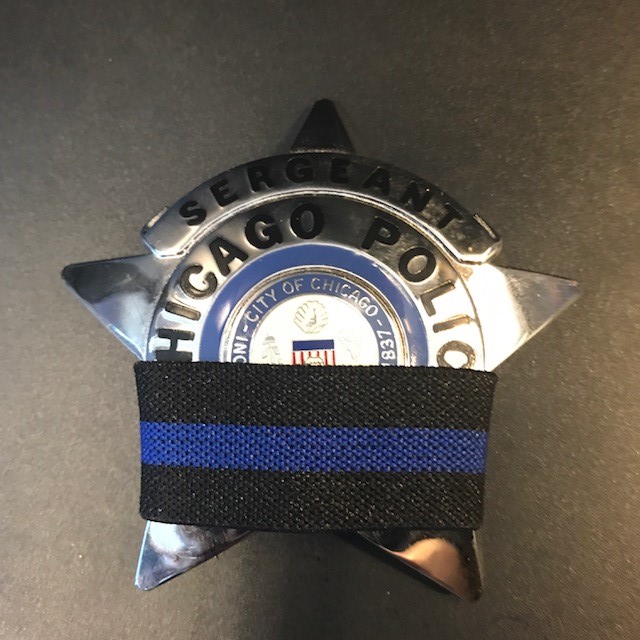
I have been writing about this for 9 years in the pages of my human behavior blog. In Chicago, if an officer comes forward looking for help, they are stripped of their firearm, police powers, and their star (badge). This is demoralizing according to officers I have spoken to.  Why would anyone come forward if this is the protocol. This may be changing, whereas CPD has added therapists in each of their 23 police stations. Unfortunately, one cannot unsee some of the darkest scenes in human behavior like the death of a law enforcement officer or domestic violence resulting in death.  The psychological autopsy must include a 3-month list of calls the decedent answered including those for which he or she was given debriefing, defusing, or time off for respite from the job. I would want to understand how the call volume may have triggered underlying acute stress of new calls that triggered new trauma? In any case, the story was interesting and careful analysis is important in all incidents resulting in police suicide.

Only Darkness for Uvalde: Now asking tough questions of law enforcement two years on

This post reflects on the tragic events in Uvalde, Texas that occurred 2 years ago this week. Nobody wants to remember this day in Texas that happened two years ago. But the totality of events suggests not one but two tragic occurrences, the active shooter and the police response. As frightened parents were threatened with arrest for wanting to enter the Robb elementary school, a man named Salvatore Ramos hunted for kids and had an hour alone in the building while shooting. The parents waited outside with police during that hour when no one initiated the call to order and the call to stop the shooting.

The day started normally enough with a ceremony for children who had made the honor roll. The parents of these children had no idea that the ceremony would be the last bright moments of their young child’s life. Shortly after the end of the honor roll ceremony the proud fourth graders went back to their classrooms. When a few minutes later, the school was breached by a former student – a wolf in sheep’s clothing. At 11:28 AM, Salvadore Ramos entered the Robb elementary school through an open door. The 911 system had been activated. His plan had been foretold on a chat group saying, “wait and see.” Law enforcement was in the building and then took fire. Retreat and wait.

Only months earlier, they had trained for this. The tactical training instructs officers to move to contact and bring the fight to the sound of the guns even when you must step around or over victims. In the Pulse Nightclub massacre in Orlando, FL officers had to ignore victims pleading for their lives as a small group of sheriff’s deputies chased the shooter in pitch darkness into a men’s room and neutralized the threat. We were taught that as few as three officers could bring an end to an active shooter incident by quickly entering a building and moving to the sound of the shooting to neutralize the threat. The FBI says as few as two officers to teams of five should enter the scene without hesitation and move to contact. Moving forward not back.

Our chief in Massachusetts vowed that he would drive his cruiser through the front door of the school if needed, to gain immediate access to save lives. The New Braintree elementary school was much like the school in Uvalde with many doors and easy access to classrooms. The important message we recieved in all active shooter trainings was not to hesitate for extra back-up if it meant waiting. Early entry with two or three officers, find the shooter, and end the assault. Waiting meant more children would perish.

We learned from Columbine, that the longer we waited the more children, teachers, and staff would be lost. These events are over in 5-7 minutes. There was no way a SWAT team could deploy in the time needed to move into the school, find the bad guy, and put an end to the killing. We trained in neighboring schools too so we might be familiar with the maze of corridors common in most school buildings.

In this case Ramos was in the building for 60 minutes when a team from the U.S. Border Patrol made its move. Uvalde turned into a large crime scene and a heart-breaking stain on dozens of onlooker police officers. At least nineteen ten-year old children and two teachers were killed by a member of their own community. Former Uvalde High School student Salvadore Ramos was just 18 years old. He killed nineteen 3rd and 4th grade students and their teachers in tiny Robb elementary school in west Texas over the course of an hour. That hour will be scrutinized by the FBI, Texas Rangers, and other active shooter experts to discern law enforcement strengths and weaknesses in the handling of this event. Had law enforcement followed the protocol as practiced? Two years on the collective say no.

Much of the aftermath scrutiny will catalog social media red flags that may have informed law enforcement of his disaffected beliefs. The psychological autopsy will chronicle the facts of Ramos’ final weeks especially his social media presence. Information about his state of mind will slowly emerge and the roadmap of his disaffected early beginning. No one knows how long Ramos may have been percolating when he purchased 2 high powered rifles after turning 18 in March. On Facebook, Ramos leaked his plan to Cece, a teenager in Germany. It became visible to other members of a chat group including “Cece” who could do nothing to stop Ramos’ intentions.

His mother, Adriana Reyes said he was angry for failing to graduate high school with his fellow classmates, adding that “he was not a monster.” In an NBC News interview, Adriana Ramos’ boyfriend, Juan Alvarez, said that Ramos went to live with his grandmother after a fight with his mom over Wi-Fi. He said the relationship between Ramos and his mother was tumultuous and that the two often fought.” Since the pandemic quarantine Ramos’ mother described him as mean. His closest friend said that Ramos was bullied in middle school because of a stutter and years later after posting a photo of himself wearing black eye liner. He grew distant from friends and sometimes used a BB gun to shoot people while driving around with friends. He had an online presence and played violent video games with friends like Tour of Duty. His social media chat foretold his intent to murder starting with his grandmother. The psychological underpinnings for these murders will be studied for years to come. The police response will also be critiqued for its dearth of leadership and tactical failure.

But Valdez (Ramos’ friend) said he was horrified when Ramos once showed up at the park with numerous slashes across his face, initially claiming the cuts had been caused by a cat scratching him. “Then he told me the truth,” Valdez said. “That he’d cut up his face with knives over and over and over. I was like, ‘You’re crazy, bro, why would you do that?'” Ramos reportedly told him he did it “for fun,” the newspaper stated.

Chloe Mayer, Newsweek Newsletter

The 18-year old high school student shot his grandmother in the face before heading for his primary target in much the same way mass murderer Adam Lanza, then age 20, killed his mother in December 2012 before heading to the elementary school in Newtown, CT at 9:39 in the morning. The two killers are seen as similar in mental health domains. Ramos withdrew from his family and from school. He was angry, Lanza too was detached and played video games hours each day. He was homeschooled at age 16 and was fixated on guns. He too was also angry. His mother purchased him his first firearm, a pistol. He took some college classes. Bought some more guns like a Savage Mark II bolt action .22 caliber. Then back to school – Sandy Hook elementary with his Bushmaster XM-15 E2S semiautomatic rifle, Glock 20 .22 & the shiny Sig Sauer .226. Unlike Sandy Hook, there are many questions about the time line of events at Robb elementary on May 24th that have become the focus of community outrage.

Just like Sandy Hook, the outcome in Uvalde was as hideous as anything one could imagine. But unlike Sandy Hook the tactical response took too long. Like Sandy Hook and Marjorie Stoneman Douglas before them, parents at Uvalde experienced the horrendous reality of the disaffected person having access to guns.

For his part, Salvadore Ramos would receive no awards on that day. His mother was wrong. He was no longer a student; he became a monster no one will forget. By all rights, his rampage may have been cut short by an hour or so, had law enforcement brought the tip of the spear to him as shots first rang out. We know this from Columbine. Ramos’ day would end in blackness, just like the front page of the Uvalde Leader-News.

Only Darkness for Uvalde: Now asking tough questions of law enforcement two years on

This post reflects on the tragic events in Uvalde, Texas that occurred 2 years ago this week. Nobody wants to remember this day in Texas that happened two years ago. But the totality of events suggests not one but two tragic occurences, the active shooter and the police response. As frightened parents where threatened with arrest for wanting to enter the Robb elementary school, a man named Salvatore Ramos hunted for kids and had an hour alone in the building while shooting. The parents waited outside with police during that hour when no one initated the call to order and the call to stop the shooting.

The day started normally enough with a ceremony for children who had made the honor roll. The parents of these children had no idea that the ceremony would be the last bright moments of their young child’s life. Shortly after the end of the honor roll ceremony the proud fourth graders went back to their classrooms. When a few minutes later, the school was breached by a former student – a wolf in sheep’s clothing. At 11:28 AM, Salvadore Ramos entered the Robb elementary school through an open door. The 911 system had been activated. His plan had been foretold on a chat group saying “wait and see.” Law enforcement was in the building and then took fire. Retreat and wait.

Only months earlier, they had trained for this. The tactical training instructs officers to move to contact and bring the fight to the sound of the guns even when you must step around or over victims. In the Pulse Nightclub massacre in Orlando, FL officers had to ignore victims pleading for their lives as a small group of sheriff’s deputies chased the shooter in pitch darkness into a men’s room and neutralized the threat. We were taught that as few as three officers could bring an end to an active shooter incident by quickly entering a building and moving to the sound of the shooting to neutralize the threat. The FBI says as few as two officers to teams of five should enter the scene without hesitation and move to contact. Moving forward not back.

Our chief in New Braintree, MA vowed that he would drive his cruiser through the front door of the school if needed, to gain immediate access to save lives. The New Braintree elementary school was much like the school in Uvalde with many doors and easy access to classrooms. The important message we recieved in all active shooter trainings was not to hesitate for extra back-up if it meant waiting. Early entry with two or three officers, find the shooter, and end the assault. Waiting meant more children would perish.

We learned from Columbine, that the longer we waited the more children, teachers, and staff would be lost. These events are over in 5-7 minutes. There was no way a SWAT team could deploy in the time needed to move into the school, find the bad guy, and put an end to the killing. We trained in neighboring schools too so we might be familiar with the maze of corridors common in most school buildings.

In this case Ramos was in the building for 60 minutes when a team from the U.S. Border Patrol made its move. Uvalde turned into a large crime scene and a heart-breaking stain on dozens of onlooker police officers. At least 19 ten-year old children and 2 teachers were killed by a member of their own community. Former Uvalde High School student Salvadore Ramos was just 18 years old. He killed nineteen 3rd and 4th grade students and their teachers in tiny Robb elementary school in west Texas over the course of an hour. That hour will be scrutinized by the FBI, Texas Rangers, and other active shooter experts to discern law enforcement strengths and weaknesses in the handling of this event. Had law enforcement followed the protocol as practiced? Two years on the collective minds say “no.”

Much of the aftermath scrutiny will catalog social media red flags that may have informed law enforcement of his disaffected beliefs. This is obvious but no one can see the musing of someones anger without the help of those privy to his intentions. The psychological autopsy will chronicle the facts of Ramos’ final weeks especially his social media presence. Information about his state of mind will slowly emerge and the roadmap to his disaffected life. No one knows how long Ramos may have been percolating when he purchased 2 high powered rifles after turning 18 in March. On Facebook, Ramos leaked his plan to Cece, a teenager in Germany. It became visible to other members of a chat group including “Cece” who could do nothing to stop Ramos’ intentions.

His mother, Adriana Reyes said he was angry for failing to graduate high school with his fellow classmates, adding that “he was not a monster.” In an NBC News interview, Adriana Ramos’ boyfriend, Juan Alvarez, said that Ramos went to live with his grandmother after a fight with his mom over Wi-Fi. He said the relationship between Ramos and his mother was tumultuous and that the two often fought.” Since the pandemic quarantine Ramos’ mother described him as mean. His closest friend said that Ramos was bullied in middle school because of a stutter and years later after posting a photo of himself wearing black eye liner. He grew distant from friends and sometimes used a BB gun to shoot people while driving around with friends. He had an online presence and played violent video games with friends like Tour of Duty. His social media chat foretold his intent to murder starting with his grandmother. The psychological underpinnings for these murders will be studied for years to come. The police response will also be critiqued for its dearth of leadership and tactical failure.

But Valdez (Ramos’ friend) said he was horrified when Ramos once showed up at the park with numerous slashes across his face, initially claiming the cuts had been caused by a cat scratching him. “Then he told me the truth,” Valdez said. “That he’d cut up his face with knives over and over and over. I was like, ‘You’re crazy, bro, why would you do that?'” Ramos reportedly told him he did it “for fun,” the newspaper stated.

Chloe Mayer, Newsweek Newsletter

The 18-year old high school student shot his grandmother in the face before heading for his primary target in much the same way mass murderer Adam Lanza, then age 20, killed his mother in December 2012 before heading to the elementary school in Newtown, CT at 9:39 in the morning. The two killers are seen as similar in mental health domains. Ramos withdrew from his family and from school. He was angry, Lanza too was detached and played video games hours each day. He was homeschooled at age 16 and was fixated on guns. He too was also angry. His mother purchased him his first firearm, a pistol. He took some college classes. Bought some more guns like a Savage Mark II bolt action .22 caliber. Then back to school – Sandy Hook elementary with his Bushmaster XM-15 E2S semiautomatic rifle, Glock 20 .22 & the shiny Sig Sauer .226. Unlike Sandy Hook, there are many questions about the time line of events at Robb elementary on May 24th that have become the focus of community outrage.

Just like Sandy Hook, the outcome in Uvalde was as hideous as anything one could imagine. But unlike Sandy Hook the tactical response took too long. Like Sandy Hook and Marjorie Taylor Douglas before them, parents’ at Uvalde experienced the horrendous reality of the disaffected having access to guns.

For his part, Salvadore Ramos would receive no awards on that day. His mother was wrong. He was no longer a student; he became a monster no one will forget. By all rights his rampage may have been cut short by an hour or so, had law enforcement brought the tip of the spear to him as shots first rang out. We know this from Columbine. Ramos’ day would end in blackness, just like the front page of the Uvalde Leader-News.

Walking corpse syndrome

I am working with a retired corrections supervisor who has known PTSD that is quite poorly controlled. He was diagnosed only 2 years ago even though he has not been in the inside for 9 years. He has dozens of traumatic experiences most of which have gone untreated. In most cases, law enforcement and corrections officers alike would undergo debriefing when officers are required to retrieve human remains or to cut down an inmate hanging from his bed rail or someplace else.

CO is cooperative and likable. I had heard about walking corpse syndrome once or twice. I have even had one or two cases of this specific delusional disorder and may have missed its significance. I was trained to think that walking corpse was usually associated with borderline personality disorder, hypochondriasis, or somatization disorder. It goes beyond the cookie cutter explanation and does not incorporate an organic cause. In a case I worked with in the summer of 2022, the 57-year-old male has a history of unstable PTSD because of his 21 years of service at a maximum-security prison here in Massachusetts. During this time, he experienced physical attacks over five times – one of which kept him out of work for 10 months. He witnessed over 100 prisoner hangings – deaths by suicide that required a special team response. He was a supervisor and was called upon to organize “teams” of men to deal with offenders who were violent and admitted with pride that he was always the first man at the scene. By doing so, he witnessed men who had cut their own throats and died before the entry team could assemble and make the save. He witnessed vicious fights among competing prison factions. And was himself attacked and lost time at work.

These experiences followed him into retirement and invade his sleep regularly even now. He sleeps only 2 hours at a time, awakened by images of his death own and embalming. He walks the house checking doors – just as he did on the block during his time on the job. For his part, he feels conflicted because he is a Christian and believes in his heart that he could help many inmates – some of whom may have taken their own lives. Instead, he could not turn the other cheek at times when inmate brutality broke the normal clamor behind bars. Correction’s officers are often seen as the last first-responders and are rarely debriefed following inmate deaths, personal attacks, or violence toward officers.

I had heard about walking corpse syndrome once or twice. I have even had one or two cases of this extremely specific delusional disorder and may have missed its significance. I was trained to think that walking corpse was usually associated with borderline personality disorder, hypochondriasis, or somatization disorder. It goes beyond the cookie cutter explanation of diagnoses and fails to include an organic neuropsychological underpinning that we now understand is important.

MIchael Sefton, Ph.D.

Cotard’s syndrome is characterized by nihilistic delusions focused on the individual’s body including loss of body parts, being dead, or not existing at all. Cotard’s is neither mentioned in DSM-V nor in ICD-10 – both diagnostic tools made for identifying nervous and mental disorders. There is growing unanimity that Cotard’s syndrome with its typical nihilistic delusions externalizes an underlying disorder. Even though Cotard’s syndrome is not a diagnostic entity in our current classification systems, recognition of the syndrome and a specific clinical understanding is essential for definitive treatment options and classification. Organic causes should be ruled out as an etiology before attribution of Cotard’s syndrome as a fully functional problem. Some papers are cited in the literature that indicate that separate typologies should be considered. The most common is a syndrome more strongly associated with major depression and its symptomatology including melancholia, nihilism, and psychotic features. A slightly different nosology abnegates depression and aligns it more closely with delusional thinking and not primarily associated with affective disorder.


Cotard delusion is a rare condition marked by the false belief that you or your body parts are dead, dying, or don’t exist. It usually occurs with severe depression and some psychotic disorders. It can accompany other mental illnesses and neurological conditions. You might also hear it referred to as walking corpse syndrome, Cotard’s syndrome, or nihilistic delusion.

Debruyen, H, et al. (2011) Cotard Syndrome.

Debruyne, Hans & Portzky, Michael & Peremans, Kathelijne & Audenaert, Kurt. (2011). Cotard’s syndrome. Mind & Brain, The Journal of Psychiatry. 2. 67-72.