The unforeseen consequence of traumatic exposure in some professions you might not expect

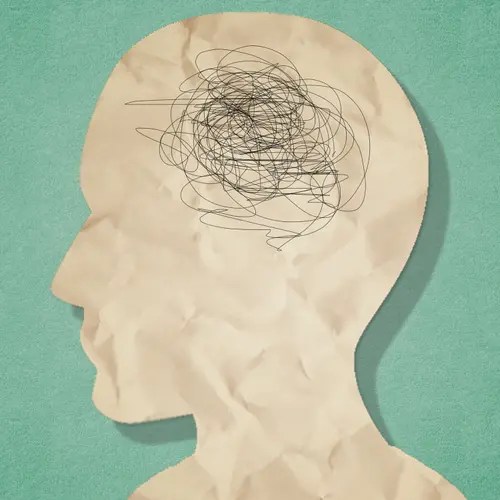
WESTBOROUGH, MA November 30, 2024 – Stress affects all aspects of how we feel. There is no cure for human stress we must learn to modulate its impact. What affects one person may not impact another in a stressful manner. I have had a series of posts on the Human Behavior blog recently and since beginning this blog in 2014. If you are seeing this blog, you have access to my other posts and hopefully the research cited in the musings I espouse here. This post is about how some people are impacted by the work they choose and may experience serious physical and emotional problems directly associated with it. The example here is a tow truck operator who is suffering with the consequence of being exposed to motor vehicle accidents while towing for state police or other agencies who regularly call upon towing companies to haul away the wrecked cars and trucks driven by a host of young drivers who may not be on their best behavior. But I have regularly wondered how young EMT’s, funeral home operators, medical examiner recovery teams, and tow truck operators deal with the things they see. In addition to the lowest paid these personnel tend to be the youngest and most inexperienced and least trained setting up an unhealthy risk for long-term traumatic stress.

Recently, I began seeing a man who was referred because he had sustained a serious stroke. The man was only 59 years of age and needed quite a bit of help from his wife. He was referred by the speech pathologist here at Whittier who had a stong instinct the man had a psychological component to his condition. She was correct. I learned in our first visit that the man worked as a tow truck operator for over 10 years in a private towing company. Many police agencies use private companies to haul away cars involved in motor vehicle crashes or subsequent to an arrest. It is common practice here in Massachusetts. I strongly suspected that the man is experiencing the chronic symptoms of stress and it is highly likely he has full blown post-traumatic stress disorder from years as a tow truck operator. His body was so injured by the stress of his job that it created the perfect storm for both physical and emotional injury. He was at high risk for hypertension, heart disease, cardiovascular disease, obesity, and depression. Nothing is for certain, but he has the hallmark triad of PTSD (avoidance, hypervigilance, and triggering) in addition to the full blown stroke syndrome that left him disabled.

Before you say “does everybody have PTSD?” let us understand that exposure to traumatic events (beyond normal experience) can cause an acute stress reaction that in some cases evolves into PTSD over time. Human beings can adjust to traumatic stress if they have time to process what they experience. Sometimes they require professional crisis intervention or debriefing such as post incident review.

Our bodies are equipped with a built-in defense system—a complex army of infection-fighting cells and proteins that warn other cells of invaders, fight them off when they arrive, and heal any damage the resulting conflict produces. Stress is the number one cause of silent and malignant conditions like hypertension, stroke, heart disease, obesity, and autoimmune disorders like chronic fatigue, lupus, Type I diabetes, and others. Even multiple sclerosis and inflammatory bowel disease are linked to autoimmune disorders. These all have a known link to stress. The Washington Post published a story about human “weathering” a term first coined by Arline T. Geronimus, a professor and population health equity researcher at the University of Michigan. The fact of stress weathering our bodies from the “inside out” is a point not lost on many of us who previously worked in public service as police officers. And here in the United States, life expectancy levels have decreased for 2 straight years – the first time in decades. Chronic stress and its associated disease states is a likely culprit.

Blood pressure remains high. Inflammation turns chronic. In the arteries, plaque forms, causing the linings of blood vessels to thicken and stiffen. That forces the heart to work harder. It doesn’t stop there. Other organs begin to fail. Washington Post by Akilah Johnson and Charlotte Gomez in 2023. “Too much exposure to cortisol can reset the neurological system’s fight-or-flight response, essentially causing the brain’s stress switch to go haywire.” Relentless stress is associated with changes in our body’s chromosomes and shortens the life of our cells resulting in premature death to those who are vulnerable to its environmental biopsychosocial confluence.

Within the past month, Harvard Medical School has published a helpful booklet on the inflammatory response and the impact of chronic inflammation, edited by Mallika Marshall, MD (2024). The inflammatory response is regulated by the body’s immune system to promote quick healing. When this becomes chronic, like when we are under constant threat from environmental stress, the body begins to change and can not return to a state of equilibrium.

Our bodies are equipped with a built-in defense system—a complex army of infection-fighting cells and proteins that warn other cells of invaders, fight them off when they arrive, and heal any damage the resulting conflict produces.  Inflammation is the body’s response to threats that reach our insides. Inflammation is necessary whenever we are injured or infected. The only true way of heading off the impact of stress is taking direct action to lower the elevated fight-flight response involved in the stress response, lower physical tension and other signs, and minimize unrealistic expectations. The body has been accostomed to respond to threats every since our species evolved. Part of this evolution is to react quickly to threats (that saved us from being eaten) and to just as quickly return to our normal resting state. The constant elevation of the threat arousal system is not realistic nor sustainable. It is important in early adulthood to keep in mind there are specific behaviors that may be learned to mitigate the negative impact from chronic stress before it has negative impact on our health.

The other day I was so wound up with some much stress and tension, I almost cut my 12-hour day short. Things settled down but not after an 8:30 AM crisis call from a patient living on Cape Cod. All at once, my day was diverted to needing to find a hospital bed for a client with a boat load of unrealistic anger and now suicidal ideation. Not easy. I can honestly say that stress impacts me more now than it did early in my career but that said, I am mindful about managing the stress more purposefully. This post is not about me or my work habits. Although I read these posts and many others in order to make myself a better psychologist and to understand the importance of managing stress before it can cause irreparable damage to one’s mind and body. The connection has never been better understood by medical and psychological providers. So in order avoid weathering from the inside out, start taking control of things in your life that you can control and apply mindfullness strategies to your routine. You will feel better.

Active shooter: Run, hide, or fight

WESTBOROUGH, MA October 22, 2024 – The daily round up of active shooter incidents seems so repetitive and grim. People are learning the concept of run, hide, or fight in defense of their right to live or work, or attend concerts. Here in the United States, there are active shooter events every day or every week. These events start and end quickly averaging only 7-10 minutes before the shooter is dead.  But in that time shooters fire hundreds of high power .223 rounds from assault rifles purchased for only this reason the police arrive and usually are met by the recently deceased body of the angry and misguided shooter.

The “active shooter” refers to just that – ongoing, systematic slaughter of innocent civilians with the specific purpose of violence and murder.  These events start and end quickly averaging only 7-10 minutes before the shooter is dead. 

Michael Sefton 2013

Some argue it is the availability of firearms that creates the opportunity for mass killing. Countries that have strict gun laws rarely see recurring gun violence. Japan, Norway, Iceland, and many other countries have rates of gun violence that are flat in terms of recurring active shooter events. That means that police rarely are called upon the face an active shooter like police officers here in the United States. And the noncombatants are left to wait for reunification with parents and counseling. Prayers for all. Teddy bears and candles abound. And the ultimate answers as to why this happened will be revealed in the psychotic, rambling, manifesto of the mentally injured shooter. That will tell us all we need to know about school shooting and those who might bring us harm.

https://www.youtube.com/watch?v=5VcSwejU2D0

Stress awareness remains a key denominator for law enforcement for managing its malignant power to impair

WESTBOROUGH, MA September 23, 2023 – Police agencies across the country are looking for ways to mitigate the impact of accumulated stress associated with exposure to the worst of the worst of all human experience. These events happen everywhere and are unpredictable. “Arguably, everything from unattended death, domestic violence, child abuse, and a fatal motor vehicle crash can show up on the call board of any dispatcher on any day or night” according to Sefton, 2015. Career longevity and hardiness is essential for good law enforcement. There is a lot of training going on across the country emphasizing the importance of lowering stigma and bias against people with mental illness. Police officers and social workers are now found together in cars where mental illness is a suspected underpinning. The idea in not new and is known as jail diversion. For those with active mental illness diverting the citizen to behavioral healthcare is a better alternative than delivering them to the county holding facility. Programs for jail diversion are gradually making their way into small and medium sized departments across the country thanks to grants and political best practices. Gradually, the law enforcement field has had to look at itself and accept that when an officer is exposed to traumatic events over and over during his or her career, then we can expect that there will be an emotional response of some kind. That is a fact and impacts career longevity including physical and mental wellness.

Police officers are often hard charging men and women – especially right out of the academy and field training. They quickly go all in and no one wants to be seen as weak or unreliable. The field training is also being modified to allow officers to experience normal reactions to these early exposures. Things that can lead to stress and decreased efficiency as life circumstances change. Situations like marriage, children, buying a house, childcare, financial angst, you name it. Add to that mid-career professional jealousy and cynicism, career embitterment, resentment, staying current with court cases, mandatory overtime, holidays, and life becomes pretty hectic pretty quick. High stress situations require considerable time for all people to process. In law enforcement, time is something that is often a luxury. “Downtime is important for our health and our body, but also for our minds,” says Elissa Epel, M.D., a professor in the psychiatry department at the School of Medicine at the University of California at San Francisco. Some say that humans need 24 hours to process a high stress experience and return to normal balance.

“I have several posts that have brought up the human stress response going back to 2015 but there is plentiful research dating back 50 years or more on the human stress response and autonomic dysregulation. I believe strongly that unregulated sympathetic arousal can lead to a decline in physical well-being as the literature guides. The human cost of stress has been well studied and the effects of stress are a well-known cause of cardiovascular illness including heart attack and stroke and others.  It is now known that the brain plays a big role in all of this.”

Stress is a cumulative response to exposure to threatening, fearful, or chaotic scenes. It is especially important that cops are able to quickly assess violent scenes to provide best and most timely action. Active shooter protocols require that teams of officers are not distracted in their search for the shooter sometimes stepping over victims along the way. It can become very difficult unless they are disciplined. “Officers are trained to be vigilant and alert. The job demands it. But these expectations, mixed with chronic exposure to stress can make officers hypervigilant and hyperalert even during moments of calm. The stress of police officers doesn’t suddenly disappear when a shift ends” as reported in Powerline on Law Enforcement, published in August 2023. Whenever I have participated in an after-incident review or formal defusing/debriefing, I rarely have an officer raise his or her hand when asked “did any of you experience significant stress during this call?” That is to be expected to some degree. But honest reporting on call-related stressors like an officer involved shooting, fatal car crash, sudden cardiac event in another officer, or domestic violence homicide should leave any one of us in an elevated state of stress. This comes from the brains response to fear producing events that all human beings experience and takes as long as 24 hours to return to normal. Some say police officers can be taught to reduce the effects of high stress call to 60 minutes. The problem with that is that many agencies with high call volume do not have the manpower to allow one of more officers to sit on the sideline as their stress response slowly trends down to normal. Men and women in law enforcement are vulnerable to chronic stress and many do nothing to mitigate this vulnerability.

For career hardiness it is essential that law enforcement officers manage their stress. This means regular exercise, a healthy diet, and stress awareness and mindful lowering the body’s elevated fight-flight response. Especially after exposure to the gut-wrenching calls that regularly come across the police scanner. Well-established research has shown that low-level daily stress can create such intense wear and tear on our body’s physiological systems that we see accelerated aging in our cells, says Elissa Epel, M.D. who co-wrote the book “The Telomere Effect.” Epel added: “Mindfulness-based interventions can slow biological aging by interrupting chronic stress, giving us freedom to deal with demanding situations without the wear and tear — and giving our bodies a break” as described in the Washington Post article authored by Jamie Serrano on June 29, 2024. In my experience, the techniques of mindfulness have an appreciable impact on lowering self-regulation described in most literature. The drawback is a lack of carryover and minimal positive practice. It is not for everybody but it can be one part of a comprehensive goal of self-care and emotional resilience needed for long-term career success. The importance of this practice cannot be overstated when cops frequently jump from one call to the next. I offer individual biofeedback sesssions to lower the body’s sympathetic activation that often ramp up at times of threat. For many in law enforcement, the experience of being under threat never goes away. This can hurt.

In the Spring of 2024, I was involved in a Zoom presentation on the important ways to unpack stress and its cumulative impact on physical and mental health offered by Whittier Rehabilitation Hospital in Westborough, MA. Like everything in the new year, innovative ideas and habits are hard to stick with. But building discipline is easier when one becomes committed to educated on what stress can do to our bodies and committed to using our skills to limit the daily accumulation of adrenaline and cortisol and recognizing the signs of an abnormal stress response. Things like poor sleep, irritability, excessive use of alcohol or drugs, forgetfulness, overeating, lack of exercise, isolation, etc. We all do these things at times, we are human. But when you find yourself going off the rails, and are not taking proper care of yourself, it may be a sign of a growing stress response that may lead to depression, anxiety, and a host of physical conditions like hypertension, heart disease, stroke, autoimmune disorders, obesity, and diabetes. A balance of work and personal life should be part of any stress lowering plan. It becomes especially important to pull yourself back into your routine. Things like exercise, nutrition, mindfulness lowering alcohol intake, regular sleep, and maintaining family and social connections become key tasks to help you feel better and lower shame and guilt.

“If we perceive our available resources to be insufficient, along comes the ‘threat’ mindset. When threatened, stress has a catastrophic effect on our ability to perform. We receive an enormous sympathetic surge (adrenaline/noradrenaline dump), and our HPA axis pumps out cortisol. High cortisol levels have a very detrimental effect on higher cognitive processes – decision-making and prioritization” as described in a blog written by Robert Lloyd, MD.

I conduct pre-employment psychological screening here in Massachusetts. Men and women entering the field today are smart and well-educated. Academy curricula integrate behavioral health and officer well-being more than ever teaching students to utilize stress response strategies to lower the threat response sometimes aberrant in acute stress reactions. Agencies like the RCMP and the Finnish Elite Police service are using paced breathing techniques to quickly reduce the effects of high adrenaline that is a hindrance to physical and cognitive functioning. These techniques are easily taught and when learned, need little to no technology or equipment to implement.

According to Leo Polizoti, Ph.D., the primary author of the Police Chief’s Guide to Mental Illness and Mental Health Emergencies, and colleague, stress can lead to a breakdown in adaptive coping. “Learned resilience can be taught and leads to reduced stress and psychological hardiness rather than psychological weariness and burnout. Psychological weariness is a drain on coping skill and regular adaptation to job-related stress needed for efficiency for handling the everyday calls for service. Resilience and career satisfaction are important components of law enforcement and individual officer training, on-duty behavior, and career longevity. Positive resilience will reduce officer burnout, misconduct, and reduce civilian complaints against officers.

Some law enforcement officer deaths may be reduced by using a stress intervention continuum as a way to get out ahead of the buildup of stress. This program ties the range of calls into a stress reduction protocol that empowers resilience and recognizes the importance of stress mentoring and the soft hand-off for defusing the growing impact of high stress and high lethality exposure. If 10 cars are sent to a fatal automobile accident with entrapment, then these officers would be expected to participate in an after-action defusing of the incident. Those 10 units would also be coded with a level 1 call – highest level of acuity. This is easy technology and cars are often dispatched to level 1, 2, or 3 depending upon the severity of the call. It becomes an end-of-the-year task to see which officers have accumulated the highest number of Level 1 high acuity calls. Level 1 is highest priority and puts the officer at highest risk for exposure to traumatic stress and its debilitating impact.

The stress intervention continuum does not single out one officer but identifies all officers – including call takers, dispatchers, and supervisors for defusing particularly abhorrent events like mass shootings, domestic violence homicide, or fatal car crashes. This way, personnel who played a roll in a “bad call” will not be overlooked nor stigmatized for stress reduction defusing and/or debriefing. Chief Paul Saucier who is the interim chief of police in Worcester MA requires that officers attend a post incident defusing after major events with high lethality or particularly lurid stressors. Worcester PD is an agency with over 400 officers and may participate in this program. More agencies are beginning to utilize some form of online screening that officers may complete on an annual basis that measures perceived stress over the previous month. Chief Saucier and I have discussed options for on-line assessment and annual reviews. I have looked at the Perceived Stress Scale – PSS-10 for implementation.

Roadside memorials and people who maintain the shrines we see on roads everywhere

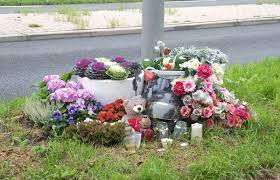
Roadside memorial

I am always in awe when I drive past roadside memorials. They commemorate the place where someone was killed in a motor vehicle crash. They grew in popularity following the of MADD, Mother’s Against Drunk Driving first in the 1980’s in Austin, Texas. These are usually a white cross along with trinkets, toys, and photos that memorialize them life or lives that were lost at the location. Many are painted with the names of people who have lost their lives too. What strikes me is who maintains the site? Is there any sort of memorial at a internment site? Do the same people who maintain the shrines also maintain a grave site?

There is a psychology to the roadside memorials that are dotted across our country’s roadways commemorating the lives of people who have perished. Usually these are simple crosses sometimes emboldened by the name or names of people who may have been in fatal accidents at the location. Others grow to become memorials to a lost love one and are maintained by grieving family members. I seem to see them everywhere and wonder about the survivors. Do they visit the site? It is different then a cemetery in that this is not the place where they were laid after death, but this is the last place on earth their loved one was alive. 

I am reading a couple of books about roadside memorials with interest. One is a thesis from a Canadian university, authored by Holly Everett from Memorial University in Newfoundland. These sites are also known as the “spontaneous shrines” that result from a public outpouring of grief according Everett who studied the shrines in Texas as part of her graduate work. It makes me sad when someone builds a spontaneous shrine to honor the loss of someone. On my way to work a few months go, I noticed that 2 crosses were erected in a tree near my home. A spontaneous shrine.

While working as a police officer I noticed these spontaneous shrines popping up in our town usually after a fatal accident. Fortunately, we had very few fatal crashes in the 12 years I worked. Towns everywhere, including the one in which I patrolled, were discussing regulations about the roadside crosses and all the stuff that accumulated along with them. Our chief was sympathetic but the one or two shrines in our town became a traffic hazard in his mind. Cars (I assume family members or friends) would slow or stop for a short visit. We always worried about someone getting injured or killed on the site of one of the crosses. And we had a call to the cross on Rt 67. The boyfriend of one of the victims was sleeping at the cross site. Upon further investigation we learned that he was so grieved that he wanted to stay with the girlfriend’s cross one last time. Sadly, we had to send him along because having a sleeping person on a busy road caused too much public concern. Communities are needing to regulate these sites because the grieving public tends to add more and more to them. Some family members even mow grass or shovel snow keeping the site looking prosperous. According to the draft policy posted on the BBC site, “locations and content of roadside memorials will be vetted for safety and messages that can be considered “offensive” will be banned, as will any sort of illumination or materials that can shatter, such as glass” January, 2022

It struck me that the first names were imprinted on white crosses leaving off the last names of the two boys who died at the site. I would have liked to know the last names. I wanted offer my condolences in some way. Maybe I had seen them riding bikes in the neighborhood just recently, at least until one of them earned his driver’s license.

Officer distress in Bangkok, Thailand

“Today police morale and emotional health have hit rock bottom, he said, because of a number of factors, including botched policy-making when it comes to their career path that doesn’t take into consideration the officer’s needs and desires.” Bangkok Post December, 2019

And the year 2020 was not any better and very likely triggered added stress and tension among the working wounded in Bangkok and beyond. Shortly after I visited Bangkok, in early 2020 a member of Thai Army service in the Northern Province went off and killed his superior officer and over 20 people in his community. Very rare in the Thai history. My former Chief and I had met another commander from the Northern Province detail and liked him a lot. He smiled and seemed confident before returning to the Northern Province. Gun violence in Asia is rare and mass shootings are more rare still.

Next came the virus. Thailand got out in front of the contagion and closed things down and required both social distancing and masks. The total number of cases per 100,000 souls is much less than here and most other places.

Meanwhile, Thailand is offering a softer, gentler service to those officers who sign on to be law enforcement officers trying to accommodate the needs of the police service.

Law Enforcement – M.H. encounters – New documentary April 27, 2019 in Somerville

A new documentary featuring the law enforcement CIT model of police-mental health response is being featured as part of the 2019 Boston Independent Film Festival.  This entry won a prestigious award the SXSW in its film debut.  As I retired from police work my interest in law enforcement mental health interactions deepened.  As a result I met these officers in San Antonio was was taken for some days of first hand observation of their work.  The documentary took 2 years to complete and gives the viewer a front row seat in the model from San Antonio PD and Bexar County that works. The film debuts here in Boston at the Somerville Theater in Davis Square on Saturday April 27, 2019.  I strongly urge readers in the area to attend.

In many police agencies the call volume for mental health encounters is at or above 50 percent. That means that every other call for service requires that officers dispatched to the call have an understanding about encounters with citizens experiencing a mental health crisis. Many LEO’s lack training and are uncomfortable with these calls. Importantly, this does not mean that 50 percent of all calls involve mentally-ill citizens but those individuals experiencing some behavioral health emergency – like a job lay-off or impending divorce or financial problems. They are not mentally ill and should not be treated any differently than any other 911 call for service. Police are often called when bad things happen to normal individuals who become emotionally overwrought often made worse by chronic use of alcohol or drugs.

Training for encounters with citizen’s experience a mental illness is part of the early career academy education. Many officers are provided 40 or more hours of crisis intervention training (CIT). In-service programs are being introduced across the country because of the importance of having expertise and understanding in basic de-escalation. Agencies around the country are playing catch up in learning how best to deal with abnormal behavior. Police in Albuquerque, NM are using a monthly supervision model where the department psychiatrist case conferences specific calls and officers learn techniques for de-escalation and process details about how better to respond to future calls.

Crisis intervention training teaches law enforcement officers what to expect and allows them to practice using role playing to see for themselves how to intervene with people in crisis using de-escalation techniques. “Law enforcement officers’ attitudes about the impact of CIT on improving overall safety, accessibility of services, officer skills and techniques, and the preparedness of officers to handle calls involving persons with mental illness are positively associated with officers’ confidence in their abilities or with officers’ perceptions of overall departmental effectiveness. ” Bonfine, 2014. “When a police officer responds to a crisis involving a person with a serious mental illness who is not receiving treatment, the safety of both the person in crisis and the responding officer may be compromised especially when they feel untrained” according to Olivia, J, Morgan, R, Compton, M. (2010).


Bonfine N, Ritter C, Munetz MR. Police officer perceptions of the impact of Crisis Intervention Team (CIT) programs. Int J Law Psychiatry. 2014 Jul-Aug;37(4):341-50. doi: 10.1016/j.ijlp.2014.02.004. Epub 2014 Mar 11.PMID: 24630739

Olivia, J, Morgan, R, Compton, M. (2010) A Practical Overview of De-Escalation Skills in Law Enforcement: Helping Individuals in Crisis. Journal of Police Crisis Negotiations, 10:15–29.
While Reducing Police Liability and Injury

Police officer vulnerability previously ignored, hidden from plain site

What is currently understood as repeated exposure to trauma and its emotional impact was once thought to be a testament to toughness invoking the specter of a wall of silence. Law enforcement and first responder suicide has increased over the past several years and now exceeds the number of LEO’s killed in the line of duty. Why are cops choosing to take their lives? This is especially felt in Chicago where seven officers have taken their own lives in the last 8 months. In more than one case an officer committed suicide in the police vehicle or in the police department parking lot.

My colleague Dr. Leo Polizoti, Police Consulting Psychologist at the Direct Decision Institute, Inc. has been active in law enforcement training, fitness, and prescreening for over 40 years. He served over 30 agencies across New England and provides supportive psychotherapy as needed.

Dr Polizoti and I were recently involved in a symposium on Police Suicide in Chicago sponsored by Daninger Solutions from Daytona Beach, Florida. Among the presenters were Dr Thomas Joiner from the University of Miami, recognized expert in suicide, police sergeant Mark Debona from Orlando, Florida and Dr Daniel Hollar, Chairman in department of Behavior Science at Berthune-Cookman University in Tallahassee, Florida and CEO at Daninger Solutions.

There are many reasons why police officers have an increased levels of depression and stress.  Most are associated with repeated exposure to traumatic events like exposure to dead bodies, violence, childhood injury or death, terrorism, fatal car crashes, and more.  Most officers are able to remain professionally hearty when provided the opportunity to defuse the exposure soon after an incident. Career performance should include reducing officer depression and embitterment by building resilience starting in the academy and lasting throughout an LEO’s career.

The Mind-Body connection is well established and the role of stress in LEO career well-being is becoming a agency focus beginning in the academy.

“Not only must we as negotiators learn to take care of ourselves emotionally and physically – we must also be prepared to intervene with an actively suicidal officer. “

Dave DeMarco FOX News Kansas City

Is it any wonder officers lose hope and resilience.  There are inherent risks that LEO’s assume when they sign on like forced overtime, changing shifts, off-duty court appearances, the chance they may become injured, disabled or killed while serving the community.  There are also systemic stressors like supervisory bullying, professional jealousy, lack of opportunity to have an impact on policy, career stagnation, and paramilitary chain of command that often devalues education and innovation.  Agencies are beginning to track exposure to trauma and its correlated change police officer resilience in real time.

In Worcester, Massachusetts, LEO’s are required to attend defusing sessions following high lethality/high acuity exposure.  These sessions are kept private from members of the command staff and records are saved by the police consulting psychologist. The department has nearly 500 officers who are paid for their participation when they attend. It has been proposed that officers undergo annual “wellness checks” as a routine in some agencies such as KCMO. I have proposed a system of tracking officer call acuity and invoking mandated behavioral health assessment after a specified number of high acuity/high lethality calls for service. This is one way of reducing the stigma that officers face when they are sent for “fitness” evaluation or any sort of behavioral health care. The stigma associated with mental health may be reduced by having specified referrals following identified high profile incidents. Officers may be considered to be getting peak performance training at these defusing sessions as they are designed for enhancing officer awareness and reducing the human stress response.

Now, the KCMO department has mandated yearly wellness exams for officers in certain units like homicide and those dealing with child abuse. This was initiated to decrease the impact of traumatic events on police officer well-being. Officers at KCMO can also get up to six free anonymous visits to a mental health clinician each year, and the department has a peer support team.  Mental health clinicians must have experience working with law enforcement officers for best results.  Training for clinicians should be provided to best work with LEO’s and first responders. This is especially true for officers who self-refer.  Clinical hours should be supervised by the police consulting psychologist.

Police Stress Intervention Continuum: An empirical option for LEO’s and command staff to reduce officer suicide

Scope of the Problem: Police Suicide and the goal to eliminate it – modified December 28, 2022
Police job-related stress is well-identified and reported in the media daily and the rates of suicide nationwide are being debated by Aamodt and Stalnaker. They are actually less than one is led to believe but even one law enforcement officer suicide is too much. During the week of Christmas 2022, 3 police officers took their own lives at Chicago PD. Some law enforcement officer deaths may be reduced by using a stress intervention continuum. This ties the continuum of calls into a stress reduction protocol that empowers resilience and recognizes the importance of stress mentoring and the soft hand-off for defusing the growing impact of high stress and high lethality exposure. The stress intervention continuum does not single out one officer but identifies all officers – including call takers, dispatchers, and supervisors for defusing particularly abhorrent events like mass shootings. This way, personnel who played a roll in a “bad call” will not be overlooked nor stigmatized for stress reduction defusing and/or debriefing.
Stress is defined as any situation that negatively impacts an officer’s well-being. The rate of suicide and divorce among law enforcement is approximately the same or lower than the general public according to a meta-analysis conducted by Professor Michael Aamodt.  But there are areas in the country and agencies that have higher rates of self-inflicted death.
When the suicide rate of police officers (18.1) is compared with the 21.89 rate for a comparable demographic population, it appears that police officers have a lower rate of suicide than the population according to Aamodt, 2008.
Incidence of suicide tend to be elevated in cities like Chicago, where chronic gun violence and a murder rate in the hundreds per year means cops see a staggering amount of traumatic events. As a result, they may gradually become numb to the exposure of pain and suffering (Joyner, 2009). A Department of Justice report found that the suicide rate in the Chicago Police Department is 60 percent higher than the national average.  According to the 2018 Chicago Sun Times, in a note to department members, former CPD Supt. Eddie Johnson said in 2018, “Death by suicide is clearly a problem in Law Enforcement and in the Chicago Police Department. We all have our breaking points, a time of weakness where we feel as if there is no way out, no alternative. But it does not have to end that way. You are NOT alone. Death by suicide is a problem that we can eliminate together” CST September 12, 2018.  Chicago PD is not alone with the problem of suicide among its men and women in blue. In fact, smaller departments with fewer than 50 officers often have high rates of suicide and lack the peer support and clinical resources that enable officers to find help during times of crisis.
Law enforcement officers (LEO’s) encounter the worst of all experience on a routine basis. The people who call the police may be society’s best upstanding citizens but on this occasion it could be the worst day of their lives and they seek help from police.  Many times it is not the pillars of society seeking help but those people in the fringes or margins of society now victims of violent crime or abuse.
According to Hartley, et.al., 2007, “repeated exposures to acute work stressors (e.g., violent criminal acts, sad and disturbing situations, and physically demanding responses), in addition to contending with negative life events (e.g., divorce, serious family or personal illness, and financial difficulties), can affect both the psychological and physiological well-being of the LEO population.” When these officers are identified there needs to be a planned response using a peer support infrastructure that provides for a continuum of service depending upon the individual needs of the LEO and the supports available. In many agencies, especially smaller departments lacking resources, officers’ languish and sometimes spiral downward without support and without somewhere to turn.  Police officers must have support available to them long before they are expressing suicidal urges.
As programs are identified and service continuum grows the risk of peer conflict over perceived betrayal of trust must be addressed. This must be addressed in the peer support training with emphasis on preservation of life over maintenance of confidentiality or the status quo of abject silence. “In itself, it’s a product of centuries of police culture in which perceived weakness is stigmatized. Cops know their brothers have their back, no matter what, but they still don’t want to be seen as the one who’s vulnerable.” according to a recent Men’s Health article written by Jack Crosbie in a report about suicide in the NYPD published during Mental Health Awareness month in May 2018.
The argument is made that the recurring uncertainty of police calls for service often leave LEO’s with low-level exposure to trauma of varying degrees. It is common that LEO’s move from one violent call to the next without time to decompress and process what they have seen.  The repeated exposure to trauma can slowly whittle away LEO resilience – defined as the capacity to bounce back from adversity. In a national media study published by Aamodt and Stalnaker, legal problems were a major reason for the law enforcement suicides yet no other study separately cited legal problems. In another study, relationship problems accounted for the highest percentage of suicides at 26.6% (relationship problems plus murder/suicide), followed by legal problems at 14.8%. In nearly a third of the suicides, no reason was known for LEO suicide.
Police suicide has been on the radar of advocates of LEO peer support for months or years.  The incidence of suicide has remained stable across the country but some agencies have higher rates of suicide.  Smaller departments – those with less than 50 officers in general have the highest rates of suicide.  This may be linked to the lack of availability of peer support programs and a paucity of local practitioners to provide professional service with knowledge in police psychology. “While police officers may adapt to the negative effects of chronic stress, acute traumatic incidents necessitate specialized mental health treatment for police officers (Patterson, 2001)”.  A referral to the department EAP often falls flat and makes it more difficult to make the hand-off when peer support is not enough.

Points of entry to Peer Support – Stress Intervention Continuum

  1. Exposure to highly stressful events in close sequence
  2. Change in work assignment, district/station, deployment undercover or return from deployment
  3. Increased absenteeism – over use of sick leave – missing court dates
  4. Increased use/abuse of substances – impacting job functioning, on-the-job injury
  5. Community – citizen complaint(s) for verbal abuse, dereliction of duty, vehicle crash
  6. Citizen complaints of excessive force during arrest, supervisory or peer conflict, or direct insubordination
  7. Abuse of power using baton, taser or firearm, recurrent officer involved use of force. Officers are sometimes strongly embittered and angry at this point in their career due to perceived lack of support and powerful feelings career disappointment and alienation – copyright Michael Sefton, Ph.D.
Real-time model of change
The use of force continuum is well described in the LEO literature and ongoing criminal justice narrative. What does that have to do with stress intervention in police officers? It sets the tone for officer behavior whenever they meet potential resistance and or increased aggression during citizen encounters. It may also be used for initiating peer support needs whenever an incident use of force has occurred.  LEO’s change the force response based on the situation they encounter in real-time in a flexible and fluid manner. In this same way, peer support programs can flexibly shift to the needs of a presenting LEO and intervene early on – rather than when an officer is at a breaking point. “This continuum (use of force) has many levels, and officers are instructed to respond with a level of force appropriate to the situation at hand, acknowledging that the officer may move from one point on the continuum to another in a matter of seconds.” NIJ publication.  Peer support too, must accommodate a law enforcement officer in real-time to begin the process of building a healthy, resilient response to sometimes horrific exposures and provide a continuum of unbiased employee assistance and when necessary professional consultation.
Protective Factors begin in Academy training
What topics should addressed while LEO recruits are in training?  Ostensibly, the resilience of LEO’s depends upon the opportunity for in-service training in topics of mindfulness, stress management, physical health maintenance, nutrition, and trust.
“Emotional resilience is defined as the capacity to integrate the breadth of police training and experience with healthy, adaptive coping, optimism, mental flexibility and healthy resolution of the traumatic events. In general, resilient people are self-reliant and have positive role models from whom they have learned to handle the stressful events all police officers encounter” according to Leo Polizoti, Ph.D. a police consulting psychologist (Sefton 2018).
Police programs for health maintenance
The Police Stress Intervention Continuum or P-SIC, involves a system of police support that varies in its intensity depending upon the continuum of individual needs of the LEO including physical debility or other significant components impacting career success and satisfaction. The intervention protocol is flexible and fluid as well. The entry point into the peer support continuum initiates from supervisory observations of LEO history and behavior, peer recommendations, and exposure to a range of traumatic events.
The cumulative stress associated with a career in law enforcement cannot be understated.  In the setting of police stress and stress support there is an intervention protocol that relates to the peer-support program continuum.  Depending on where officers enter the peer support network will impact the level of intervention they may require in the P-SIC program.  Peer support is not psychotherapy but officers occasionally must hand off the officer in trouble to a  higher level of care.  These hand-offs are key to linking at-risk LEO’s with range of professional support needed to keep them on the job. Yet fear of reprisal for acknowledging the cumulative impact of stress and its impact often derails the hand-off to the professional. The highest risk for suicide to a LEO is when he is denuded of badge and gun because he may be a threat to himself.
The career success they have may be directly related to the application of resiliency training to build and maintain physical and emotional hardiness that lasts a lifetime according to Leo Polizoti, 2018. Before this can happen the stigma associated with reaching out must be reduced.

NIJ Publication (2009). Use of Force Continuum. https://www.nij.gov/topics/law-enforcement/officer-safety/use-of-force/Pages/continuum.aspx. Taken November 17, 2018
Aamodt, M. G., & Stalnaker, N. A. (2001). Police officer suicide: Frequency and officer profiles. In Shehan, D. C, & Warren, J. I. (Eds.) Suicide and Law Enforcement. Washington, D.C.: Federal Bureau of Investigation.
Aamodt, M. (2008). Reducing Misconceptions and False Beliefs in Police and Criminal Psychology. Criminal Justice and Behavior 2008; 35; 1231 DOI: 10.1177/0093854808321527.
Patterson, G T. (200l). Reconceptualizing traumatic incidents experienced by law enforcement personnel. The Australian Journal of Disaster and Trauma Studies, 2.
Joyner, T. (2009) The Interpersonal-Psychological Theory of Suicidal Behavior: Current Empirical Status. Science Briefs, American Psychological Association, June.
Sefton, M. (2018). Police Training: Revisiting Resilience Blog post: https://msefton.wordpress.com/2018/07/27/police-training-revisiting-resilience/. Taken November 18, 2018
Sefton, M. (2018) Points of Entry to Peer Support and mentoring. Blog post: https://wordpress.com/post/msefton.blog/5269 – taken December 27, 2022
Hartley, T., et.al.(2007). Associations Between Major Life Events, Traumatic Incidents, and Depression Among Buffalo Police Officers. International Journal of Emergency Mental Health, Vol. 9, No. 1, pp.
John M. Violanti, Anna Mnatsakanova, Tara A. Hartley, Michael E. Andrew, Cecil M. Burchfiel. (2012). Police Suicide in Small Departments: A comparative analysis. Int J Emerg Ment Health. Published in final edited form as: Int J Emerg Ment Health. 2012; 14(3): 157–162.

Police Training: Revisiting Resilience

What is resilience in police work?  Emotional resilience is defined as the the capacity to integrate the breadth of police training and experience with healthy, adaptive coping, optimism, mental flexibility and healthy resolution of the traumatic events. In general, resilient people are self-reliant and have positive role models from whom they have learned to handle the stressful events all police officers encounter.  In the best of circumstances officers are encouraged to share stressful events and debrief with peer supports that are a regular component of the police service.  Unfortunately, in spite of the availability of peer support many officers are hesitant to utilize and call upon their peers to help with difficult even traumatic calls like suicide and severe child or elder abuse.  One reason for this is a culture of internalizing stress until it whittles away career satisfaction and job performance.  The underpinning of police officer burn-out is the collapse of resilience and onset of maladaptive coping.
How many mid-career officers have reduced productivity and elevated stress that leads to increased use of alcohol, drugs, gambling, abuse of sick leave, and job-related injuries?  According to Leo Polizoti, Ph.D. resilience refers to professional hardiness that is protective against such career burnout and raises both professionalism and job satisfaction. Many believe that hardiness and resilience can be built and polished as the officer grows into his career.
Police training tends to be repetitive and often boring.  Officers train to attain a level of automaticity so that when field encounters become threatening they are quick to utilize tactical behavior in the use of force continuum.  Sadly, police departments everywhere have trained in the active shooter protocol so that when the call goes out every officer knows exactly what is expected of him or her.  By doing so the motor programs and cognitive maps coalesce into a tactical advantage for law enforcement.  Training also helps to reduce autonomic arousal and helps regulate internal levels of stress so that officers can function at optimal levels when needed most.
Just as it is difficult to identify mental illness in a civilian population until the person is off the rails, so too is it difficult to pinpoint a law enforcement officer who is struggling with the long-term effects of the high stress calls police answer on a daily basis. “Stress and grief are problems that are not easily detected or easily resolved. Severe depression, heart attacks, and the high rates of divorce, addiction, and suicide in the fire and EMS services proves this” according to Peggy Rainone who provides seminars in grief and surviving in EMS (Sefton, 2013).
High levels of stress are known to slowly erode emotional coping skill leaving a psychologically vulnerable person at higher risk of acting out in many ways including with violence.  The 2013 case of domestic violence homicide in Arlington, Massachusetts raises the specter of domestic violence homicide in police and first responders. In this case, a decorated paramedic allegedly killed his twin children, his wife and then himself. Outwardly, he and his family seemed happy. What might trigger such an emotional breakdown and deadly maelstrom?
“Although resilience — the ability to cope during and recover from stressful situations — is a common term, used in many contexts, we found that no research had been done to scientifically understand what resilience is among police. Police officers have a unique role among first responders. They face repeated stress, work in unpredictable and time-sensitive situations, and must act according to the specific departmental policies. ” Andersen et al. 2017
The career success they have may be directly related to the application of resiliency training to build and maintain physical and emotional hardiness that lasts a lifetime according to Leo Polizoti, 2018. Before this can happen the stigma associated with reaching out must be reduced.
Reduced stigma will afford officers the chance to express themselves, lower stress and tension, and seek peer or professional help when situations evoke or release the ghosts of cases past – often the underpinning of PTSD. This openness has not yet found its way into the law enforcement culture and while physical fitness has taken hold for career satisfaction – mindfulness has not become fully embraced.
REFERENCES
Andersen et al. (2017) Performing under stress: Evidence-based training for police resilience
Royal Canadian Mounted Police, Gazette Magazine Vol. 79 No 1.
Polizoti, L. (2017) Psychological Resilience: From Surviving to Thriving in a Law Enforcement Career. Presentation. Direct Decision Institute, Worcester, MA
Polizotti, LF (2018) Psychological Resilience : From surviving to thriving in a law enforcement career. Personal Correspondence. Taken 4-21-2018

Rainone, P. (2013) Emergency workers at risk. (website) http://www.emsvilliage.com/articles/article.cfm?ID=176. Taken 12-1-2013

Desperate Victim’s plea for help

DV_note B&W
Victim passed this note to Veterinarian staff – Photo VCSD

WESTBOROUGH, MA  June 6, 2018 A case of domestic violence unfolded on Memorial Day weekend in Volusia County, Florida when a female victim was being held by her live-in boyfriend. The note implores staff members of the DeLand Animal Hospital to call police because her partner was threatening her and had a gun.  These kinds of desperate measures occur occasionally and are dramatic and newsworthy. The staff at the DeLand Animal Hospital are to be commended.  But there are intimate partners everywhere who live in fear just as the indomitable victim who passed this note had been living.

“From coast to coast LEO’s are caught in this moth eaten, patchwork system that lacks resources for both the mentally ill and those addicted to alcohol and drugs.” Michael Sefton, Ph.D. 2018

As the story goes, her boyfriend had beaten her and was refusing to allow her to leave the couple’s home.  To her credit (perhaps life saving) she convinced the man that she needed to bring the dog to the veterinarian.  He agreed but would not allow her to go without him. Upon arrival this note was passed to a member of the hospital staff who knew just what to do.  The man is now behind bars being held without bail – manning his defense.

There is a consensus among experts in domestic violence that victims are abused multiple times – often threatened with death – before they call police for help.

As a society, more needs to be done to fill-in the holes in the system designed to keep families safe.  Safety plans and orders of protection are not enough.  From coast to coast LEO’s are caught in this moth eaten, patchwork system that lacks resources for both the mentally ill and those addicted to alcohol and drugs. The holes in the system allow for violence prone individuals to allude police and coerce victims into silence.  But every once in a while, a silent victim writes a life saving note and gives it to the right person.

Domestic violence happens in family systems that are secretive, chaotic, and dysfunctional.  This lifestyle pushes them into the margins of society – often detached from the communities in which they live.

The abusive spouse makes his efforts known within the system by his barbaric authoritarian demands.  He keeps his spouse isolated as a way of controlling and manipulating whatever truth exists among these disparate family members.  The consequence of this isolation leaves women without a sense of “self” – alone an emotional orphan vulnerable to his threat of abandonment and annihilation.

Successful intervention for these families must slowly bring them back from the margins into the social milieu. Arguably, the resistance to this is so intense that the violent spouse will pull up stakes and move his family at the first sign of public scrutiny.

Police officers are regarded as the front line first responders to family conflict and DV.  For better or worse, the police have an opportunity to effect change whenever they enter into the domestic foray.  This affords them a window into the chaos and the opportunity to bring calm to crisis.  In many cases, the correct response to intimate partner violence should include aftermath intervention when the dust has settled from the crisis that brought police to this threshold.  When this is done it establishes a baseline of trust, empathy, and resilience.

Community policing has long espoused the partnership between police and citizens.  The positive benefits to this create bridges between the two that may benefit officers at times of need – including the de facto extra set of eyes when serious crimes are reported.  But the model goes two ways and requires that police return to their calls and establish protocols for defusing future events meanwhile processing and understanding the current actions of recent police encounters. When done effectively the most difficult families may be kept off the police radar screens for longer periods of time that can be a good thing when it comes to manpower deployment and officer safety.