Police departments everywhere are using tools to lower the stress response among law enforcement officers and all first responders so that they may function at maximum efficiency through resilience training, debriefing high stress incidents e.g. OIS, fatal crash, loss of a member. We have proposed an annual stress assessment using police officer emails. The test may be taken in the cruiser, at home, anywhere. Scores are check and filed in a confidential mailbox. Scores that kick back as elevated, may demonstrate some concerns, are reviewed and push up to the next step in this process. Along with the technique of regular journaling officers may take responsibility for their observations and feelings that may become available to them using this tool.
Law enforcement officers (LEO’s) encounter the worst of all experience on a routine basis. The people who call the police may be society’s best upstanding citizens but, on this occasion, it could be the worst day of their lives, and they seek help from police. Many times, it is not the pillars of society seeking help but those people in the fringes or margins of society now victims of violent crime or abuse.
When an officer endorses high level stress response and poor coping skills that can lead to career burnout, frustration, and even moral indignation – the feeling of being wronged. To enhance LEO job satisfaction and bring about change in bias toward officers who as for help. The men and women should be covered for as long as they need.
The suspect in the Minneapolis church shooting followed by a manifesto against children, transgender people, Jews, and others. The mass shooting at Annunciation Catholic Church was described as an act of domestic terrorism. In this case the violence culminated in two fatalities and 18 wounded. Terrorism requires an intent to bring chaos and death to a mass society – in this case children praying at mass during a catholic school’s opening day of school. The FBI says the events was targeted against the Catholic school. The gunman fired their rifle at children and worshipers sitting in the Annunciation Catholic church during mass. Chief O’Hara at Minneapolis Police called it senseless and a deliberate act of cowardice beyond comprehension.
WESTBOROUGH, MA October 17, 2024 When we talk about career burn-out, we are looking at the impact of chronic and sometimes overwhelming stress on work efficiency and job satisfaction. As a clinical psychologist, I espouse the risk of stress and its associated malignancy to everyone I meet. Stress adds costs to workforce management because as workers become overwhelmed they start to look for better jobs. Surprisingly, it is often not the compensation that makes workers want to switch jobs – but the work ecology, those subtle factors most of us seek in the relationship between us and the company. Replacing intelligent and career oriented nurses and doctors is very expensive and disruptive to everyone. It means that supervisors are always interviewing and floor nurses are always orienting someone to the idiosyncrasies of the role.
It has been suggested that employees who are under chronic stress are at greater risk for making medical errors and other mistakes. Shortages in staff trickle down to patient care too. Hardly a day goes by when I do not hear someone say “I had to wait 30 minutes for someone to come and help me get back into bed.” When it comes to healthcare, people are not concerned with staff shortages when a loved one is hospitalized. Customer satisfaction is key to good medicine and community policing alike. And like police officers, a nurse or doctor who is on the last hours of a 12-hour shift is more likely to be ill-tempered and out of sorts. And like police officers, healthcare workers experience stress from long hours, shift work, and the nerver ending number of patients. Just ask any nurse or physician working in the emregency department and they will tell you it goes on and on round the clock. It is a mystery how some can stay in one job for any length of time given the current model of corporate medicine and the megagroup practice devouring one sole practitioner after another.
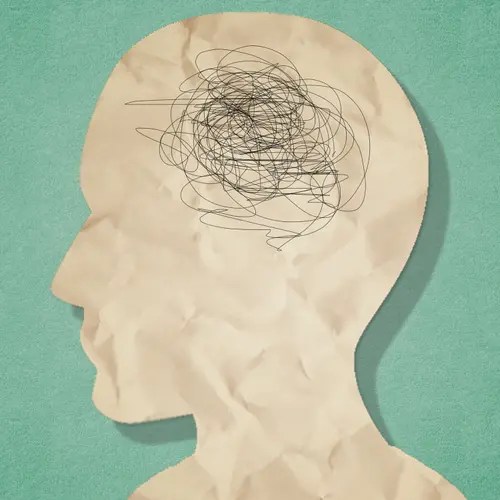
The brain and body experience stress like a jolt of toxic hormones that have the power to gradually reduce the ability to relax and quiet the body. I am tasked with assessing employees following high acuity/high lethality calls for service who find themselves in an unsustainable state of physical tension and mental fatigue. I teach mindfullness and biofeedback strategies for people suffering with the effects of chronic exposure to high stress situations and the physical impact of these. When working with a group of medical providers stress may become overwhelming after a particularly stressful shift, like many hospitals experienced during the coronavirus pandemic.
I presented a conference on Stress and Healthcare providers: Caring for the Caregivers shortly after our emergence from the nationwide pandemic response in 2022. On that night, I wanted to bring some examples of current stress the frontline healthcare workers experience – especially with the pandemic now in the rear view mirror. In doing so I realized that even preparing for this 90 minute presentation was as much as I could handle with so much on my plate. I needed to remind myself, I am not a superman, I am not a warrior. I must take time for myself and cleanse my psyche of the evil spirits floating around in my unconscious mind. I am aware of the impact of stress on my thinking and my intimate life.
In the short term, our bodies need the adrenaline and cortisol to quickly activate our brains and other organs to react when a threat exists such as when a patient unexpectedly goes south. Since we were being chased my sabertooth tigers we have relied upon the “threat response” to keep us alive. In any environment our bodies need this fight-flight system to modulate and guide our behavior including when to run, fight, or freeze. It comes down to using our sensory system to be on guard for us and when we are exposed to something threatening, like a crash in our patient’s blood pressure or looking through a darkened building trying to find a burglar.
“If you exercise regularly, get good-quality sleep and take steps to reduce and/or manage your stress, “you can reduce stress activity in the brain, systemic inflammation and your risk of developing cardiovascular disease,” reported Ahmed Tawakol, a Massachusetts General Hospital physician quoted in Washington Post article on Stress published in 2022.
Chronic stress is hard on the human body. Most people who seek out a blog like this one are well aware of the toxic impact of an abnormal stress response. “The prolonged elevated cortisol levels that come with chronic stress and post-traumatic stress disorder (PTSD) can interfere with and damage the brain’s hippocampus, which is critical for long-term memory function,” Wendy Suzuki said in a Washinton Post article (2022). The hippocampus and amygdala are a constant filter for danger and threats to safety. Abnormal activation or damage to these organs leave a person struggling with constant activation of the fight-flight response that we know is unsustainable. Or even worse, we are left somewhat helpless without this cueing mechanism. When it starts to rain upon us and we do nothing to initiate staying dry or move away from the lightning. Long-term increases in cortisol can also damage the brain’s prefrontal cortex and its interconnective pathways. These are essential for focused attention and concentration, as well as the functioning of the higher order executive system needed for problem solving and other cognitive tasks we often take for granted. That is until they are corrupted by stress hormones running amock.
What are the signs of burnout? First, there are many nurses who have become numb and disinterested. Some career nurses pull the plug on their roles leaving to become a home health nurse or perhaps off to the nursing home nearest to their homes. Many experience caregiver fatigue and waning empathy from hours of high stress patient care and management. During the relentless pandemic Many want to go back to the “old way” of taking care of patients by using the primary nurse model which divides high acuity patient among the senior nurses on a shift. The primary nurse is usually repsonsible for attending team meetings designed to update physicians and consultants as to how treatment goals are being met.
Secondly, burnout can leave people exhausted, unmotivated, and cynical – the consequences of which can be catastrophic in many professions. As well as impacting professional growth, research suggests that these extreme stress levels can impair social skills, overwhelm cognitive ability, and eventually lead to changes in brain function and damaging physical disease and inflammation in vital organs leading to premature aging.
The stress of this is often overlooked. “During the pandemic began, newly minted residents who normally wouldn’t take care of patients with severe respiratory illnesses, such as those training to be psychiatrists, podiatrists, or orthopedic surgeons, have been asked to volunteer to work in COVID-19 wards” across the country according to a report by Deanna Pan in the Boston Globe on May 9, 2020. Professionals including residents in training, who ride a high stress career need time to process the trauma they face each day. That is not always possible. As a result, the cumulative impact can abbreviate even the most stalwart among us. Supportive supervision can assist young professionals to mitigate the impact of trauma and stress. Time for resilience should not be put off because of staffing shortages.
Working on the front lines with patients who are dying is horrific. This is especially painful when there is seemingly nothing that can be done to help them. First responders and frontline hospital workers are trained to provide emergency care. When their training is not effective, than feelings of helplessness will grow (Sefton, 2020). These feelings can be overwhelming. The cost has been great with increased rates of suicide since the shutdown began in March including those on the frontlines where the decisions they made both right and wrong may have been impacted by the unending stress of patient care.
On April 27, 2020 Lorna Breen, a physician specialist in emergency medicine took her own life after being witness to dozens of patient deaths during the peak of the coronavirus and contracting the virus herself and surviving it. Dr. Breen was a professional and emergency service medical director of NewYork-Presbyterian Allen Hospital and had no history of depression or mental health diagnoses.
More should be done for employees to assist them in remaining emotionally hardy and resilient for long-term career satisfaction. We know that days of stress from never ending patient flow can undermine career-oriented nurses and shorten their work life – something that no employer wants to see. The same as in law enforcement, finding replacements for nurses, doctors, and other caregivers is not easy. It is important to get ahead of career paths and lower the chances of losing the best and brightest because they are pushed too hard by a hallow system that does not care for its employees. Its human capital is the source of all business success. The loss of its human capital is the actual cost of stress and should be better addressed with thoughtful awareness, firm compassion, and kindness.
WESTBOROUGH, MA September 23, 2023 – Police agencies across the country are looking for ways to mitigate the impact of accumulated stress associated with exposure to the worst of the worst of all human experience. These events happen everywhere and are unpredictable. “Arguably, everything from unattended death, domestic violence, child abuse, and a fatal motor vehicle crash can show up on the call board of any dispatcher on any day or night” according to Sefton, 2015. Career longevity and hardiness is essential for good law enforcement. There is a lot of training going on across the country emphasizing the importance of lowering stigma and bias against people with mental illness. Police officers and social workers are now found together in cars where mental illness is a suspected underpinning. The idea in not new and is known as jail diversion. For those with active mental illness diverting the citizen to behavioral healthcare is a better alternative than delivering them to the county holding facility. Programs for jail diversion are gradually making their way into small and medium sized departments across the country thanks to grants and political best practices. Gradually, the law enforcement field has had to look at itself and accept that when an officer is exposed to traumatic events over and over during his or her career, then we can expect that there will be an emotional response of some kind. That is a fact and impacts career longevity including physical and mental wellness.
Police officers are often hard charging men and women – especially right out of the academy and field training. They quickly go all in and no one wants to be seen as weak or unreliable. The field training is also being modified to allow officers to experience normal reactions to these early exposures. Things that can lead to stress and decreased efficiency as life circumstances change. Situations like marriage, children, buying a house, childcare, financial angst, you name it. Add to that mid-career professional jealousy and cynicism, career embitterment, resentment, staying current with court cases, mandatory overtime, holidays, and life becomes pretty hectic pretty quick. High stress situations require considerable time for all people to process. In law enforcement, time is something that is often a luxury. “Downtime is important for our health and our body, but also for our minds,” says Elissa Epel, M.D., a professor in the psychiatry department at the School of Medicine at the University of California at San Francisco. Some say that humans need 24 hours to process a high stress experience and return to normal balance.
“I have several posts that have brought up the human stress response going back to 2015 but there is plentiful research dating back 50 years or more on the human stress response and autonomic dysregulation. I believe strongly that unregulated sympathetic arousal can lead to a decline in physical well-being as the literature guides. The human cost of stress has been well studied and the effects of stress are a well-known cause of cardiovascular illness including heart attack and stroke and others. It is now known that the brain plays a big role in all of this.”
Stress is a cumulative response to exposure to threatening, fearful, or chaotic scenes. It is especially important that cops are able to quickly assess violent scenes to provide best and most timely action. Active shooter protocols require that teams of officers are not distracted in their search for the shooter sometimes stepping over victims along the way. It can become very difficult unless they are disciplined. “Officers are trained to be vigilant and alert. The job demands it. But these expectations, mixed with chronic exposure to stress can make officers hypervigilant and hyperalert even during moments of calm. The stress of police officers doesn’t suddenly disappear when a shift ends” as reported in Powerline on Law Enforcement, published in August 2023. Whenever I have participated in an after-incident review or formal defusing/debriefing, I rarely have an officer raise his or her hand when asked “did any of you experience significant stress during this call?” That is to be expected to some degree. But honest reporting on call-related stressors like an officer involved shooting, fatal car crash, sudden cardiac event in another officer, or domestic violence homicide should leave any one of us in an elevated state of stress. This comes from the brains response to fear producing events that all human beings experience and takes as long as 24 hours to return to normal. Some say police officers can be taught to reduce the effects of high stress call to 60 minutes. The problem with that is that many agencies with high call volume do not have the manpower to allow one of more officers to sit on the sideline as their stress response slowly trends down to normal. Men and women in law enforcement are vulnerable to chronic stress and many do nothing to mitigate this vulnerability.
For career hardiness it is essential that law enforcement officers manage their stress. This means regular exercise, a healthy diet, and stress awareness and mindful lowering the body’s elevated fight-flight response. Especially after exposure to the gut-wrenching calls that regularly come across the police scanner. Well-established research has shown that low-level daily stress can create such intense wear and tear on our body’s physiological systems that we see accelerated aging in our cells, says Elissa Epel, M.D. who co-wrote the book “The Telomere Effect.” Epel added: “Mindfulness-based interventions can slow biological aging by interrupting chronic stress, giving us freedom to deal with demanding situations without the wear and tear — and giving our bodies a break” as described in the Washington Post article authored by Jamie Serrano on June 29, 2024. In my experience, the techniques of mindfulness have an appreciable impact on lowering self-regulation described in most literature. The drawback is a lack of carryover and minimal positive practice. It is not for everybody but it can be one part of a comprehensive goal of self-care and emotional resilience needed for long-term career success. The importance of this practice cannot be overstated when cops frequently jump from one call to the next. I offer individual biofeedback sesssions to lower the body’s sympathetic activation that often ramp up at times of threat. For many in law enforcement, the experience of being under threat never goes away. This can hurt.
In the Spring of 2024, I was involved in a Zoom presentation on the important ways to unpack stress and its cumulative impact on physical and mental health offered by Whittier Rehabilitation Hospital in Westborough, MA. Like everything in the new year, innovative ideas and habits are hard to stick with. But building discipline is easier when one becomes committed to educated on what stress can do to our bodies and committed to using our skills to limit the daily accumulation of adrenaline and cortisol and recognizing the signs of an abnormal stress response. Things like poor sleep, irritability, excessive use of alcohol or drugs, forgetfulness, overeating, lack of exercise, isolation, etc. We all do these things at times, we are human. But when you find yourself going off the rails, and are not taking proper care of yourself, it may be a sign of a growing stress response that may lead to depression, anxiety, and a host of physical conditions like hypertension, heart disease, stroke, autoimmune disorders, obesity, and diabetes. A balance of work and personal life should be part of any stress lowering plan. It becomes especially important to pull yourself back into your routine. Things like exercise, nutrition, mindfulness lowering alcohol intake, regular sleep, and maintaining family and social connections become key tasks to help you feel better and lower shame and guilt.
“If we perceive our available resources to be insufficient, along comes the ‘threat’ mindset. When threatened, stress has a catastrophic effect on our ability to perform. We receive an enormous sympathetic surge (adrenaline/noradrenaline dump), and our HPA axis pumps out cortisol. High cortisol levels have a very detrimental effect on higher cognitive processes – decision-making and prioritization” as described in a blog written by Robert Lloyd, MD.
I conduct pre-employment psychological screening here in Massachusetts. Men and women entering the field today are smart and well-educated. Academy curricula integrate behavioral health and officer well-being more than ever teaching students to utilize stress response strategies to lower the threat response sometimes aberrant in acute stress reactions. Agencies like the RCMP and the Finnish Elite Police service are using paced breathing techniques to quickly reduce the effects of high adrenaline that is a hindrance to physical and cognitive functioning. These techniques are easily taught and when learned, need little to no technology or equipment to implement.
According to Leo Polizoti, Ph.D., the primary author of the Police Chief’s Guide to Mental Illness and Mental Health Emergencies, and colleague, stress can lead to a breakdown in adaptive coping. “Learned resilience can be taught and leads to reduced stress and psychological hardiness rather than psychological weariness and burnout. Psychological weariness is a drain on coping skill and regular adaptation to job-related stress needed for efficiency for handling the everyday calls for service. Resilience and career satisfaction are important components of law enforcement and individual officer training, on-duty behavior, and career longevity. Positive resilience will reduce officer burnout, misconduct, and reduce civilian complaints against officers.
Some law enforcement officer deaths may be reduced by using a stress intervention continuum as a way to get out ahead of the buildup of stress. This program ties the range of calls into a stress reduction protocol that empowers resilience and recognizes the importance of stress mentoring and the soft hand-off for defusing the growing impact of high stress and high lethality exposure. If 10 cars are sent to a fatal automobile accident with entrapment, then these officers would be expected to participate in an after-action defusing of the incident. Those 10 units would also be coded with a level 1 call – highest level of acuity. This is easy technology and cars are often dispatched to level 1, 2, or 3 depending upon the severity of the call. It becomes an end-of-the-year task to see which officers have accumulated the highest number of Level 1 high acuity calls. Level 1 is highest priority and puts the officer at highest risk for exposure to traumatic stress and its debilitating impact.
The stress intervention continuum does not single out one officer but identifies all officers – including call takers, dispatchers, and supervisors for defusing particularly abhorrent events like mass shootings, domestic violence homicide, or fatal car crashes. This way, personnel who played a roll in a “bad call” will not be overlooked nor stigmatized for stress reduction defusing and/or debriefing. Chief Paul Saucier who is the interim chief of police in Worcester MA requires that officers attend a post incident defusing after major events with high lethality or particularly lurid stressors. Worcester PD is an agency with over 400 officers and may participate in this program. More agencies are beginning to utilize some form of online screening that officers may complete on an annual basis that measures perceived stress over the previous month. Chief Saucier and I have discussed options for on-line assessment and annual reviews. I have looked at the Perceived Stress Scale – PSS-10 for implementation.
Front page of Uvalde Leader following mass shooting on May 24, 2022 now two years on
This post reflects on the tragic events in Uvalde, Texas that occurred 2 years ago this week. Nobody wants to remember this day in Texas that happened two years ago. But the totality of events suggests not one but two tragic occurrences, the active shooter and the police response. As frightened parents were threatened with arrest for wanting to enter the Robb elementary school, a man named Salvatore Ramos hunted for kids and had an hour alone in the building while shooting. The parents waited outside with police during that hour when no one initiated the call to order and the call to stop the shooting.
The day started normally enough with a ceremony for children who had made the honor roll. The parents of these children had no idea that the ceremony would be the last bright moments of their young child’s life. Shortly after the end of the honor roll ceremony the proud fourth graders went back to their classrooms. When a few minutes later, the school was breached by a former student – a wolf in sheep’s clothing. At 11:28 AM, Salvadore Ramos entered the Robb elementary school through an open door. The 911 system had been activated. His plan had been foretold on a chat group saying, “wait and see.” Law enforcement was in the building and then took fire. Retreat and wait.
Only months earlier, they had trained for this. The tactical training instructs officers to move to contact and bring the fight to the sound of the guns even when you must step around or over victims. In the Pulse Nightclub massacre in Orlando, FL officers had to ignore victims pleading for their lives as a small group of sheriff’s deputies chased the shooter in pitch darkness into a men’s room and neutralized the threat. We were taught that as few as three officers could bring an end to an active shooter incident by quickly entering a building and moving to the sound of the shooting to neutralize the threat. The FBI says as few as two officers to teams of five should enter the scene without hesitation and move to contact. Moving forward not back.
Our chief in Massachusetts vowed that he would drive his cruiser through the front door of the school if needed, to gain immediate access to save lives. The New Braintree elementary school was much like the school in Uvalde with many doors and easy access to classrooms. The important message we recieved in all active shooter trainings was not to hesitate for extra back-up if it meant waiting. Early entry with two or three officers, find the shooter, and end the assault. Waiting meant more children would perish.
We learned from Columbine, that the longer we waited the more children, teachers, and staff would be lost. These events are over in 5-7 minutes. There was no way a SWAT team could deploy in the time needed to move into the school, find the bad guy, and put an end to the killing. We trained in neighboring schools too so we might be familiar with the maze of corridors common in most school buildings.
In this case Ramos was in the building for 60 minutes when a team from the U.S. Border Patrol made its move. Uvalde turned into a large crime scene and a heart-breaking stain on dozens of onlooker police officers. At least nineteen ten-year old children and two teachers were killed by a member of their own community. Former Uvalde High School student Salvadore Ramos was just 18 years old. He killed nineteen 3rd and 4th grade students and their teachers in tiny Robb elementary school in west Texas over the course of an hour. That hour will be scrutinized by the FBI, Texas Rangers, and other active shooter experts to discern law enforcement strengths and weaknesses in the handling of this event. Had law enforcement followed the protocol as practiced? Two years on the collective say no.
Much of the aftermath scrutiny will catalog social media red flags that may have informed law enforcement of his disaffected beliefs. The psychological autopsy will chronicle the facts of Ramos’ final weeks especially his social media presence. Information about his state of mind will slowly emerge and the roadmap of his disaffected early beginning. No one knows how long Ramos may have been percolating when he purchased 2 high powered rifles after turning 18 in March. On Facebook, Ramos leaked his plan to Cece, a teenager in Germany. It became visible to other members of a chat group including “Cece” who could do nothing to stop Ramos’ intentions.
His mother, Adriana Reyes said he was angry for failing to graduate high school with his fellow classmates, adding that “he was not a monster.” In an NBC News interview, Adriana Ramos’ boyfriend, Juan Alvarez, said that Ramos went to live with his grandmother after a fight with his mom over Wi-Fi. He said the relationship between Ramos and his mother was tumultuous and that the two often fought.” Since the pandemic quarantine Ramos’ mother described him as mean. His closest friend said that Ramos was bullied in middle school because of a stutter and years later after posting a photo of himself wearing black eye liner. He grew distant from friends and sometimes used a BB gun to shoot people while driving around with friends. He had an online presence and played violent video games with friends like Tour of Duty. His social media chat foretold his intent to murder starting with his grandmother. The psychological underpinnings for these murders will be studied for years to come. The police response will also be critiqued for its dearth of leadership and tactical failure.
But Valdez (Ramos’ friend) said he was horrified when Ramos once showed up at the park with numerous slashes across his face, initially claiming the cuts had been caused by a cat scratching him. “Then he told me the truth,” Valdez said. “That he’d cut up his face with knives over and over and over. I was like, ‘You’re crazy, bro, why would you do that?'” Ramos reportedly told him he did it “for fun,” the newspaper stated.
Chloe Mayer, Newsweek Newsletter
The 18-year old high school student shot his grandmother in the face before heading for his primary target in much the same way mass murderer Adam Lanza, then age 20, killed his mother in December 2012 before heading to the elementary school in Newtown, CT at 9:39 in the morning. The two killers are seen as similar in mental health domains. Ramos withdrew from his family and from school. He was angry, Lanza too was detached and played video games hours each day. He was homeschooled at age 16 and was fixated on guns. He too was also angry. His mother purchased him his first firearm, a pistol. He took some college classes. Bought some more guns like a Savage Mark II bolt action .22 caliber. Then back to school – Sandy Hook elementary with his Bushmaster XM-15 E2S semiautomatic rifle, Glock 20 .22 & the shiny Sig Sauer .226. Unlike Sandy Hook, there are many questions about the time line of events at Robb elementary on May 24th that have become the focus of community outrage.
Just like Sandy Hook, the outcome in Uvalde was as hideous as anything one could imagine. But unlike Sandy Hook the tactical response took too long. Like Sandy Hook and Marjorie Stoneman Douglas before them, parents at Uvalde experienced the horrendous reality of the disaffected person having access to guns.
For his part, Salvadore Ramos would receive no awards on that day. His mother was wrong. He was no longer a student; he became a monster no one will forget. By all rights, his rampage may have been cut short by an hour or so, had law enforcement brought the tip of the spear to him as shots first rang out. We know this from Columbine. Ramos’ day would end in blackness, just like the front page of the Uvalde Leader-News.
Front page of Uvalde Leader following mass shooting on May 24, 2022 now two years on
This post reflects on the tragic events in Uvalde, Texas that occurred 2 years ago this week. Nobody wants to remember this day in Texas that happened two years ago. But the totality of events suggests not one but two tragic occurences, the active shooter and the police response. As frightened parents where threatened with arrest for wanting to enter the Robb elementary school, a man named Salvatore Ramos hunted for kids and had an hour alone in the building while shooting. The parents waited outside with police during that hour when no one initated the call to order and the call to stop the shooting.
The day started normally enough with a ceremony for children who had made the honor roll. The parents of these children had no idea that the ceremony would be the last bright moments of their young child’s life. Shortly after the end of the honor roll ceremony the proud fourth graders went back to their classrooms. When a few minutes later, the school was breached by a former student – a wolf in sheep’s clothing. At 11:28 AM, Salvadore Ramos entered the Robb elementary school through an open door. The 911 system had been activated. His plan had been foretold on a chat group saying “wait and see.” Law enforcement was in the building and then took fire. Retreat and wait.
Only months earlier, they had trained for this. The tactical training instructs officers to move to contact and bring the fight to the sound of the guns even when you must step around or over victims. In the Pulse Nightclub massacre in Orlando, FL officers had to ignore victims pleading for their lives as a small group of sheriff’s deputies chased the shooter in pitch darkness into a men’s room and neutralized the threat. We were taught that as few as three officers could bring an end to an active shooter incident by quickly entering a building and moving to the sound of the shooting to neutralize the threat. The FBI says as few as two officers to teams of five should enter the scene without hesitation and move to contact. Moving forward not back.
Our chief in New Braintree, MA vowed that he would drive his cruiser through the front door of the school if needed, to gain immediate access to save lives. The New Braintree elementary school was much like the school in Uvalde with many doors and easy access to classrooms. The important message we recieved in all active shooter trainings was not to hesitate for extra back-up if it meant waiting. Early entry with two or three officers, find the shooter, and end the assault. Waiting meant more children would perish.
We learned from Columbine, that the longer we waited the more children, teachers, and staff would be lost. These events are over in 5-7 minutes. There was no way a SWAT team could deploy in the time needed to move into the school, find the bad guy, and put an end to the killing. We trained in neighboring schools too so we might be familiar with the maze of corridors common in most school buildings.
In this case Ramos was in the building for 60 minutes when a team from the U.S. Border Patrol made its move. Uvalde turned into a large crime scene and a heart-breaking stain on dozens of onlooker police officers. At least 19 ten-year old children and 2 teachers were killed by a member of their own community. Former Uvalde High School student Salvadore Ramos was just 18 years old. He killed nineteen 3rd and 4th grade students and their teachers in tiny Robb elementary school in west Texas over the course of an hour. That hour will be scrutinized by the FBI, Texas Rangers, and other active shooter experts to discern law enforcement strengths and weaknesses in the handling of this event. Had law enforcement followed the protocol as practiced? Two years on the collective minds say “no.”
Much of the aftermath scrutiny will catalog social media red flags that may have informed law enforcement of his disaffected beliefs. This is obvious but no one can see the musing of someones anger without the help of those privy to his intentions. The psychological autopsy will chronicle the facts of Ramos’ final weeks especially his social media presence. Information about his state of mind will slowly emerge and the roadmap to his disaffected life. No one knows how long Ramos may have been percolating when he purchased 2 high powered rifles after turning 18 in March. On Facebook, Ramos leaked his plan to Cece, a teenager in Germany. It became visible to other members of a chat group including “Cece” who could do nothing to stop Ramos’ intentions.
His mother, Adriana Reyes said he was angry for failing to graduate high school with his fellow classmates, adding that “he was not a monster.” In an NBC News interview, Adriana Ramos’ boyfriend, Juan Alvarez, said that Ramos went to live with his grandmother after a fight with his mom over Wi-Fi. He said the relationship between Ramos and his mother was tumultuous and that the two often fought.” Since the pandemic quarantine Ramos’ mother described him as mean. His closest friend said that Ramos was bullied in middle school because of a stutter and years later after posting a photo of himself wearing black eye liner. He grew distant from friends and sometimes used a BB gun to shoot people while driving around with friends. He had an online presence and played violent video games with friends like Tour of Duty. His social media chat foretold his intent to murder starting with his grandmother. The psychological underpinnings for these murders will be studied for years to come. The police response will also be critiqued for its dearth of leadership and tactical failure.
But Valdez (Ramos’ friend) said he was horrified when Ramos once showed up at the park with numerous slashes across his face, initially claiming the cuts had been caused by a cat scratching him. “Then he told me the truth,” Valdez said. “That he’d cut up his face with knives over and over and over. I was like, ‘You’re crazy, bro, why would you do that?'” Ramos reportedly told him he did it “for fun,” the newspaper stated.
Chloe Mayer, Newsweek Newsletter
The 18-year old high school student shot his grandmother in the face before heading for his primary target in much the same way mass murderer Adam Lanza, then age 20, killed his mother in December 2012 before heading to the elementary school in Newtown, CT at 9:39 in the morning. The two killers are seen as similar in mental health domains. Ramos withdrew from his family and from school. He was angry, Lanza too was detached and played video games hours each day. He was homeschooled at age 16 and was fixated on guns. He too was also angry. His mother purchased him his first firearm, a pistol. He took some college classes. Bought some more guns like a Savage Mark II bolt action .22 caliber. Then back to school – Sandy Hook elementary with his Bushmaster XM-15 E2S semiautomatic rifle, Glock 20 .22 & the shiny Sig Sauer .226. Unlike Sandy Hook, there are many questions about the time line of events at Robb elementary on May 24th that have become the focus of community outrage.
Just like Sandy Hook, the outcome in Uvalde was as hideous as anything one could imagine. But unlike Sandy Hook the tactical response took too long. Like Sandy Hook and Marjorie Taylor Douglas before them, parents’ at Uvalde experienced the horrendous reality of the disaffected having access to guns.
For his part, Salvadore Ramos would receive no awards on that day. His mother was wrong. He was no longer a student; he became a monster no one will forget. By all rights his rampage may have been cut short by an hour or so, had law enforcement brought the tip of the spear to him as shots first rang out. We know this from Columbine. Ramos’ day would end in blackness, just like the front page of the Uvalde Leader-News.
As a member of the Direct Decision Institute, Inc in Worcester, Massachusetts, my colleague Dr. Leo Polizoti, the Institutes senior lead psychologist, are charged with doing pre-employment psychological screening for all officers heading to a regional police academy across New England. There are details about the pre-employment process at the institute website: drdecision.org. One question I usually ask is: “Why do you want to be a police officer?” As you might expect, the answers are all well-rehearsed and touch on inspiring, decorated family members who were police officers, the personal desire to help people, or a memorable encounter with a member of law enforcement early in life. There are always others too.
A more curious inquiry might sound like this: “why would you want to be exposed to fatal car crashes, domestic violence, including intimate partner homicide, completed suicide and suicidal persons, sudden infant death, violent, intoxicated subjects, random citizen complaints, professional jealousy, long hours, and sometimes decrepit leadership?” I might even add: “if you want to help people why not become a nurse or high school teacher?”
As a police consulting psychologist my goal is to offer my best judgment about candidates for police officer. I offer my two cents worth of resiliency advice by painting a portrait of how they see themselves five years in the future. When asked what they expected in the pre-employment psychological interviews one or two have said it was a “waste of time.” Now these men and women are in the minority, only 1 in 15 has said that in my last round of interviews. But just as importantly, going forward, these new officers are going to represent law enforcement and should be better prepared to embrace mental health awareness and the reduced stigma associated with behavioral health and human resilience. Most police officers are starting to understand this. To say that a one-hour meeting with the police psychologist was a “waste of time” reflects both the lack of understanding of personal wellbeing and a blind spot in progressive policing. Mental health services is everywhere in law enforcement on both sides of the badge.
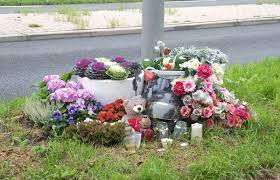
I am always in awe when I drive past roadside memorials. They commemorate the place where someone was killed in a motor vehicle crash. They grew in popularity following the of MADD, Mother’s Against Drunk Driving first in the 1980’s in Austin, Texas. These are usually a white cross along with trinkets, toys, and photos that memorialize them life or lives that were lost at the location. Many are painted with the names of people who have lost their lives too. What strikes me is who maintains the site? Is there any sort of memorial at a internment site? Do the same people who maintain the shrines also maintain a grave site?
There is a psychology to the roadside memorials that are dotted across our country’s roadways commemorating the lives of people who have perished. Usually these are simple crosses sometimes emboldened by the name or names of people who may have been in fatal accidents at the location. Others grow to become memorials to a lost love one and are maintained by grieving family members. I seem to see them everywhere and wonder about the survivors. Do they visit the site? It is different then a cemetery in that this is not the place where they were laid after death, but this is the last place on earth their loved one was alive.
I am reading a couple of books about roadside memorials with interest. One is a thesis from a Canadian university, authored by Holly Everett from Memorial University in Newfoundland. These sites are also known as the “spontaneous shrines” that result from a public outpouring of grief according Everett who studied the shrines in Texas as part of her graduate work. It makes me sad when someone builds a spontaneous shrine to honor the loss of someone. On my way to work a few months go, I noticed that 2 crosses were erected in a tree near my home. A spontaneous shrine.
While working as a police officer I noticed these spontaneous shrines popping up in our town usually after a fatal accident. Fortunately, we had very few fatal crashes in the 12 years I worked. Towns everywhere, including the one in which I patrolled, were discussing regulations about the roadside crosses and all the stuff that accumulated along with them. Our chief was sympathetic but the one or two shrines in our town became a traffic hazard in his mind. Cars (I assume family members or friends) would slow or stop for a short visit. We always worried about someone getting injured or killed on the site of one of the crosses. And we had a call to the cross on Rt 67. The boyfriend of one of the victims was sleeping at the cross site. Upon further investigation we learned that he was so grieved that he wanted to stay with the girlfriend’s cross one last time. Sadly, we had to send him along because having a sleeping person on a busy road caused too much public concern. Communities are needing to regulate these sites because the grieving public tends to add more and more to them. Some family members even mow grass or shovel snow keeping the site looking prosperous. According to the draft policy posted on the BBC site, “locations and content of roadside memorials will be vetted for safety and messages that can be considered “offensive” will be banned, as will any sort of illumination or materials that can shatter, such as glass” January, 2022
It struck me that the first names were imprinted on white crosses leaving off the last names of the two boys who died at the site. I would have liked to know the last names. I wanted offer my condolences in some way. Maybe I had seen them riding bikes in the neighborhood just recently, at least until one of them earned his driver’s license.
In Iceland, the first 24 hours after a report of domestic violence, the window of opportunity is open. During this window there is multidisciplinary response from police, social work, legal experts, and from the child protective service that establishes a safety plan and targets supporting the victim from her household, and sometimes away from the dangerous intimate partner.The first 24 hours after the report comes in is critical. Victims are more likely to accept help if definitive, comprehensive assistance can be offered right away. Within the window of emotional opportunity.
The Iceland Project puts together the package needed to bring charges by having a team of social service and law enforcement investigators who work together during the “call out”. One reason cases of domestic abuse seldom make it to court is because days and days go by before investigators can interview the victims. Some go to work, and some do not make themselves available to officers. “In Iceland, twice as many women are reporting incidents of domestic violence to the police than they were two years ago. This is due to an ongoing police initiative to provide women with better-timed and better-located assistance, which is bringing the problem out of the shadows” as reported in apolitical in 2017. I have called for regular aftermath follow-up in cases of domestic violence as a form of community policing. Officers work in pairs and stop during the next day to complete a check-in. Victims are contacted by their abusers or the family of the abuser or may be harassed via social media and made to feel like it is their fault this occurred. I had one victim tell me she was beaten up by her husband because the dinner she had prepared was late and unsatisfactory. I stayed in contact with her until the family quickly sold their home and moved from the area. That is pretty typical whereas the abusive partner wants to keep his wife under control. As soon as she makes friends he moves her somewhere else. Even if he takes a different job. Cases of domestic violence here in the United States skyrocketed during the pandemic quarantine that also gave birth to new higher rates of substance abuse and changes in behavioral health and well-being.
Police in Reykjavik, Iceland believe that detectives or senior police officers must intervene within the window – 24 hours from start of a call out, to put together a strong case and collect evidence. They work in teams of 4 or 5. The former protocol was often several days after the call and coincided with the honeymoon period. Bail conditions frequently fail DV victims as the abuser is often bailed out within 1-2 hours. Egregious cases of DV should be held without bail until a dangerousness hearing may be initiated. The result of this usually resulted in cases being dropped and victims staying in dangerous relationships. In theory, victims are more likely to accept support and provide meaningful evidence in the first 24 hours after their abuse. The window program is designed to link victims with programs such as housing, psychotherapy, job assistance, and financial means for a new start.
The Iceland Window Project also offers perpetrators the same assistance and supports that victims receive. Charges against perpetrators of abuse have gone from approximately 24 percent of cases to approximately 30 percent of cases. This is a modest improvement at best, according to the BBC podcast People Fixing the World who report that caseloads have increased dramatically since 2014. In spite of modest changes in prosecution numbers the Window Project’s fundamental aim is to reduce intimate partner abuse. It is a well designed project to support victims and keep them focused on the problem. Many practitioners believe that when a family is in crisis, such as when police are called to the residence, that great change is possible. There has been some movement toward prosecuting abusers even when the victim changes her mind. This is a primary reason for the Window Project’s success. By getting statements, photos, and other evidence there is greater likelihood that cases can go to court even when the victim chooses not to prosecute police are now doing this on behalf of bullied partner/victims. Children who are exposed to severe domestic violence are more likely to go on and become victims going forward. Or worse, they grow up and do exactly what their abuser did.
Here in the United States victims of domestic abuse are at great risk. Especially as they prepare to leave their abusive partners. Law enforcement is required to arrest perpetrators of DV whenever signs of physical trauma. That is generally understood by the police and the abusive spouses. But what happens just as frequently, law enforcement officers send the abuser away for the night or weekend. This makes things worse for victims and children.




 MSefton's Human Behavior Blog